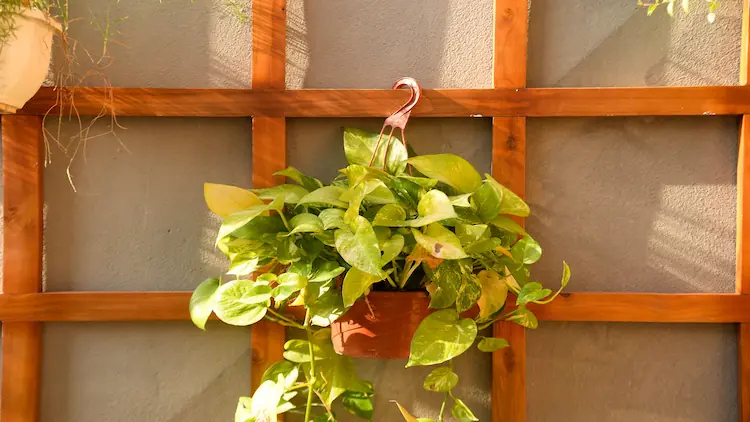
Ever notice your pothos looking fine even though you haven’t touched the watering can in three weeks?
That’s not neglect that’s exactly how this plant behaves once days get short. I’ve grown pothos for six years now, and the question I hear most every November is simple: how often to water pothos in winter without drowning it or letting it shrivel up.
The short answer is 2 to 4 weeks, but the real answer depends on a few things below.
Why Your Pothos Needs Less Water Once Fall Ends
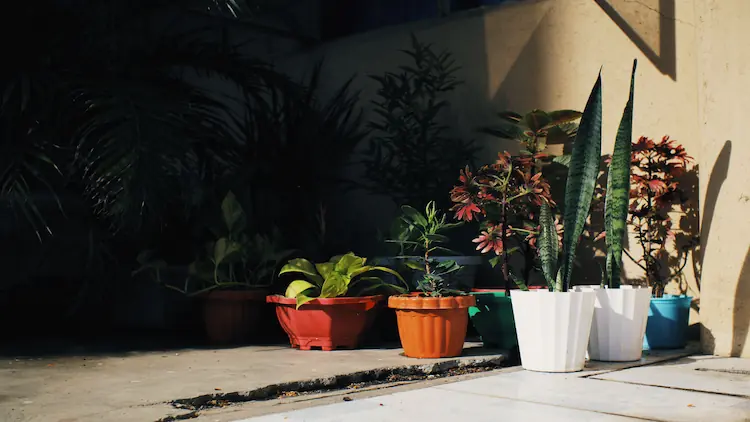
Once Fall sets in and daylight hours drop, your pothos slows down the same way your outdoor Zucchini and Eggplant plants wind down before the first frost except your pothos doesn’t die back, it just rests.
This resting phase is called dormancy, and during it the plant photosynthesizes less, grows almost nothing new, and pulls far less moisture out of the soil.
According to the University of Vermont Extension, reduced daylight triggers a state called quiescence in most houseplants, where growth slows considerably and watering should be cut back to match. That’s not a guess from a gardening blog that’s from a university extension office, and it lines up with what I see in my own plants every single year.
How Often to Water Pothos in Winter
I know you want a number, so here it is: most pothos plants need water every 2 to 4 weeks in winter, compared to every 7 to 10 days in the growing season. But “how often” really depends on three things in your home light, pot material, and plant size. Here’s how I break it down:
| Factor | Water More Often | Water Less Often |
|---|---|---|
| Light | Bright artificial/grow light (weekly check) | Low natural light (check every 2–3 weeks) |
| Pot material | Plastic or glazed ceramic | Unglazed terracotta (dries faster, ~20% more often) |
| Plant size | Small cuttings or young plants | Large, mature trailing vines |
I’ve got a couple of pothos in my backyard sunroom that get moved indoors before the first hard freeze (I’m in a zone where nights dip below 32°F by November), and those plants dry out noticeably faster than the ones sitting in a dim hallway.
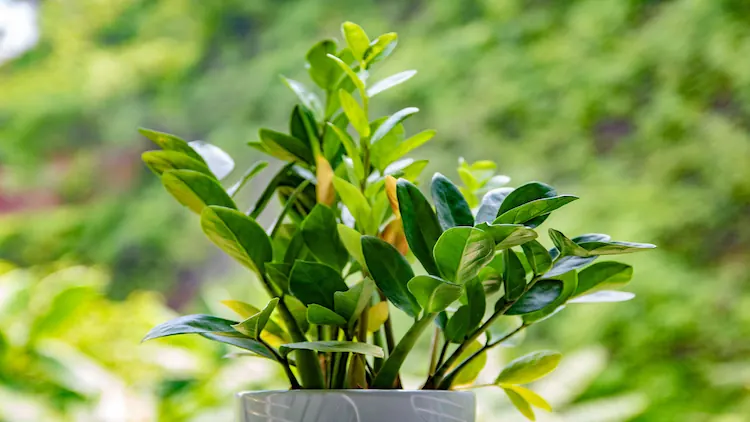
If you’re also growing a ZZ plant, you’ll notice it follows almost the same dormancy pattern, just even more drought-tolerant.
How to Check If Your Pothos Actually Needs Water
Forget the calendar. I think the biggest mistake new plant owners make is watering on a schedule instead of checking the soil first. Use any of these methods:
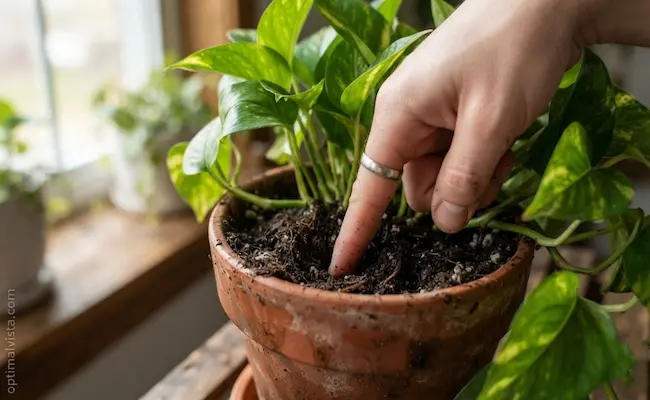
- Finger test: Push your finger 1 to 2 inches into the soil. If it comes out dry, it’s time. If it feels cool or damp, wait a few more days.
- Moisture meter: Insert it near the root zone; a reading below 3 on a 1–10 scale usually means it’s time to water.
- Weight test: Lift the pot right after a full watering and remember how heavy it feels. When it’s noticeably lighter, that’s your cue.
- Leaf check: Slight curling or a droopy look is the plant’s way of telling you it’s thirsty. Don’t wait for full wilting.
The Right Way to Water Your Pothos: Not Just When
Knowing when to water is only half the job how you water matters just as much, and this is the part most articles skip entirely.
- Water slowly until it runs freely from the drainage holes, then let the pot fully drain in the sink or a tray for 10–15 minutes.
- For a 6-inch pot, that’s usually about 1 to 2 cups of water; a larger 10-inch pot may need closer to half a gallon.
- Let tap water sit out overnight in an open container so chlorine and fluoride can dissipate before it touches the roots I’ve found my pothos color stays richer when I do this.
- Bottom watering (setting the pot in a tray of water for 20 minutes) works well if your soil has become compacted and repels water from the top.
- Never let the pot sit in standing water afterward that’s how root rot starts.
Overwatering vs. Underwatering: Know the Difference
This trips people up constantly, so here’s a straightforward comparison:
| Sign | Overwatering | Underwatering |
|---|---|---|
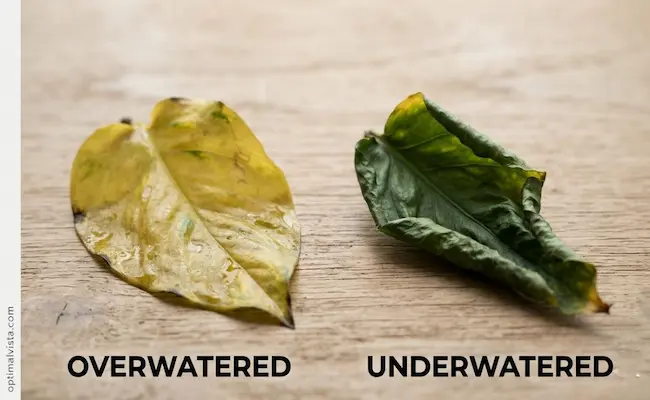
| Leaf color | Yellow, sometimes translucent | Dull, pale green |
| Leaf texture | Mushy, soft | Crispy, curled edges |
| Soil smell | Sour, rotten | No unusual smell |
| Stem base | Dark, mushy | Firm but shriveled |
If you’re seeing yellow leaves and you’re not sure which one it is, I’ve covered this in more detail in my piece on why pothos leaves turn yellow it’s almost always tied back to watering habits in winter.
Winter Environment: Temperature, Light, and Humidity
Your home’s environment plays just as big a role as your watering hand.
- Temperature range: Keep your pothos between 65°F and 85°F. Anything consistently below 50°F puts real stress on the plant.
- The heating paradox: Forced-air heat dries out the top inch of soil fast while the root zone below stays damp this is exactly why the finger test beats guessing by feel alone.
- Humidity: Aim for 40–60% if you can. A pebble tray with water underneath the pot helps without soaking the roots.
- Misting caution: A light mist on leaves is fine occasionally, but don’t rely on it as your main humidity fix overdoing it invites fungal issues.
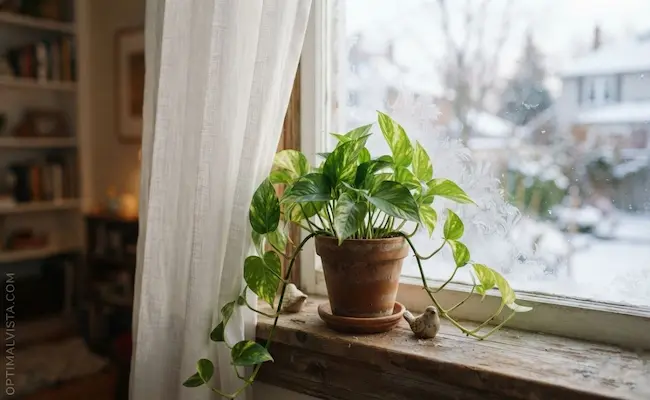
- Light placement: Move your pothos to an east- or west-facing window where it gets bright, indirect light for most of the day. A south-facing window works too as long as you diffuse the direct rays with a sheer curtain. If your home stays dim all winter, running a small grow light for 6–8 hours a day keeps growth steady until spring.
The Virginia Tech Extension office notes that warm, dry indoor air increases the rate of transpiration in houseplants, which is exactly why a heated room can trick you into thinking your pothos is thirstier than it really is.
Pothos Care Beyond Watering This Season
Watering isn’t the only thing that needs adjusting once winter arrives:
- Feeding: Pause fertilizing entirely, or drop to a quarter-strength feed once a month at most. A dormant plant can’t use the extra nutrients.
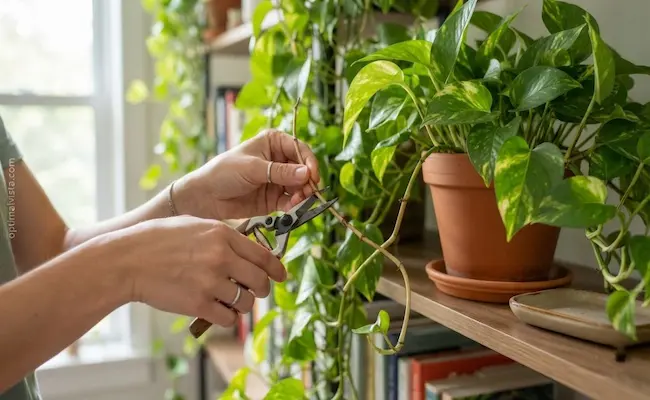
- Pruning: Grab your pruners and trim back any leggy, bare, or damaged stems it keeps the plant full instead of straggly by spring. Toss the clippings straight in the trash/garbage bin rather than the compost if any show signs of rot.
- Soil: A well-draining mix matters even more in winter, since slow evaporation is what leads to root rot in the first place.
If you want the full year-round routine beyond just these winter adjustments, my pothos plant care guide walks through everything from light to repotting.
Do Different Pothos Varieties Need Different Watering?
Not dramatically, but there are small differences worth knowing:
- Golden Pothos: The most forgiving variety; tolerates lower light and slightly longer gaps between watering.
- Neon Pothos: Its brighter color needs a bit more light to hold up, which means slightly more frequent checks if it’s in a dim corner.
- Marble Queen: The white variegation means less chlorophyll, so it grows slower and can go even longer between waterings. If you’re propagating cuttings, my guide on propagating Marble Queen pothos is worth a look before spring.
Transitioning Back to a Normal Watering Schedule in Spring
Once you notice new leaves unfurling or vines pushing out fresh growth, that’s your sign dormancy is ending.
Start increasing watering frequency gradually over two to three weeks rather than jumping straight back to a weekly routine I do this with every plant I bring back from winter rest, and it avoids shocking the roots. This is also the point where I resume light feeding again.
Common Winter Watering Mistakes to Avoid
- Watering by the calendar instead of checking the soil.
- Using ice-cold tap water straight from the faucet.
- Leaving the pot sitting in a saucer full of water.
- Fertilizing a dormant plant “just in case”.
- Relying on misting alone instead of a pebble tray or humidifier to raise real humidity.
- Repotting during winter dormancy instead of waiting for spring.
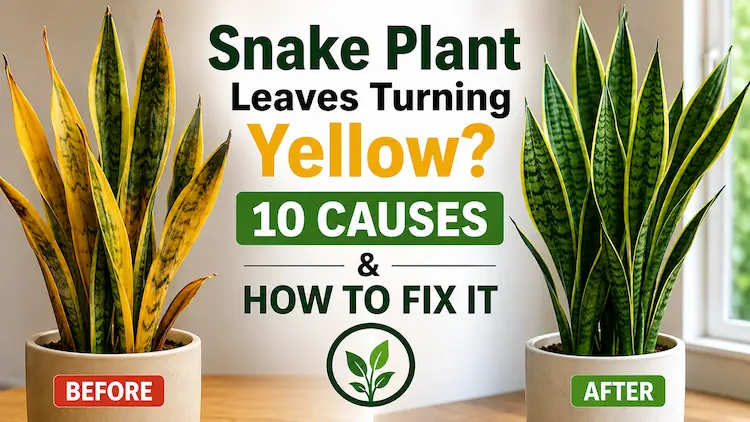
For a broader rundown of seasonal care, I’ve put together a full pothos winter care breakdown, and if you keep a snake plant too, its winter routine follows a similar dry-between-waterings logic.
Final Thoughts:
At the end of the day, how often to water pothos in winter comes down to checking the soil, not the calendar. Stick to every 2 to 4 weeks as your starting point, adjust for your home’s light and heat, and your plant will sail through winter and reward you with fresh growth once spring rolls back around.