Ever notice how your pothos stops growing the moment the thermostat clicks on for the season?
That’s not bad luck, and it’s not a dying plant. Pothos winter care comes down to a handful of small adjustments, not a total overhaul of how you’ve treated this vine all year.
Once you understand what changes indoors during winter, keeping this plant green becomes almost automatic. For the fuller picture, my complete pothos care guide covers every season, not just the cold ones.
Is Pothos Winter Hardy?
Pothos is a tropical vine native to the Solomon Islands, so no, it isn’t winter hardy anywhere outdoors in the continental US.
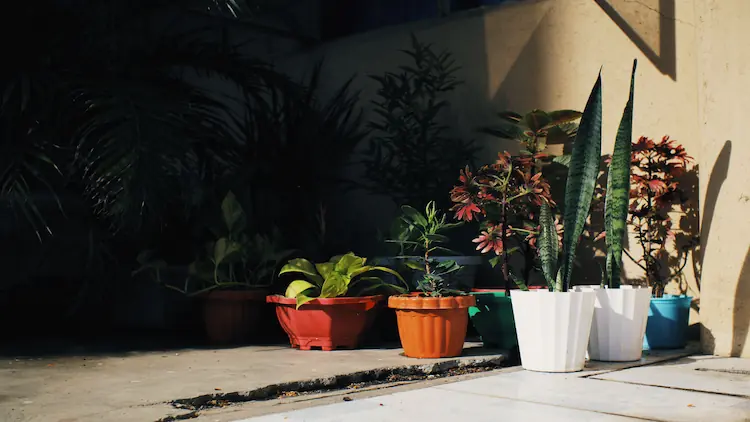
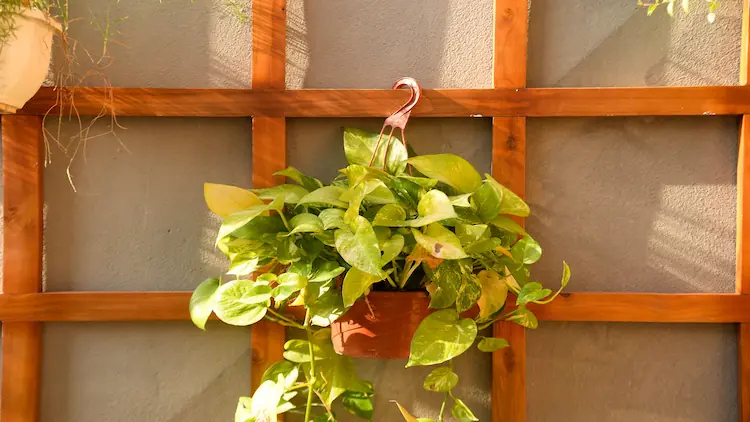
According to the USDA Plant Hardiness Zone Map, pothos only survives outdoors year-round in Zones 10 through 12. If you’ve got one in a pot on the patio or trailing along a Backyard trellis, bring it in before the first frost hits.
Gardeners in Zones 4 through 8 should plan on this plant living indoors for a good five to six months out of the year. Even in Zone 9, a sudden cold snap can shock it. Indoors, though, it handles the season fine. Growth slows way down, and that’s normal the plant is simply conserving energy until daylight hours stretch out again.
A NASA study from 1989 on interior landscape plants even found pothos capable of absorbing certain indoor air pollutants, a nice bonus for a plant spending most of winter indoors anyway.
Caring for Pothos During Winter: Get the Watering Right
If you’ve ever wondered how to care for pothos in winter without overdoing it, water is where most people mess up. The plant isn’t actively growing, so it’s not drinking nearly as much.
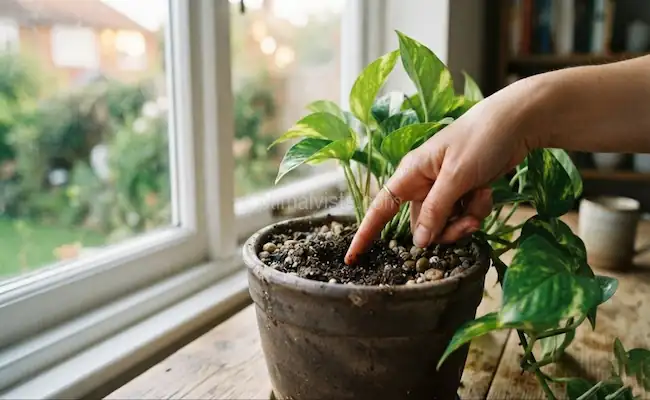
- Check the soil 2 inches down with your finger before watering if it’s still damp, wait.
- Cut back to watering roughly once every 3 to 4 weeks for most homes.
- Use a pot with drainage holes; standing water in winter is the fastest route to root rot.
- A 1-gallon watering can is plenty for most indoor pothos setups, so there’s no need to soak it.
- Overwatered signs: mushy stems, yellow leaves near the base, and a sour smell from the pot.
- Underwatered signs: leaves curling inward, a dry papery feel, and soil pulling away from the sides of the pot.
I’ve killed more than one houseplant by sticking to a fixed watering schedule instead of actually checking the soil, and pothos taught me that lesson the hard way.
Light Requirements in Winter
Here’s something that surprised me: pothos often needs more light exposure in winter, not less, simply because the days are shorter and the sun sits lower in the sky.
- Move the pot within 2 to 3 feet of a bright window.
- Bright, indirect light works best avoid deep shade and harsh direct rays through glass.
- Rotate the pot every couple of weeks so growth doesn’t lean toward one side.
- If your home stays dim through Fall and into winter, a full-spectrum LED grow light on a 10-hour timer, placed about 18 inches above the leaves, closes the gap fast.
Variegated types lose their color and revert to solid green when light drops too low for too long, so this step really does matter for keeping that pattern intact.
Temperature and Where to Place It
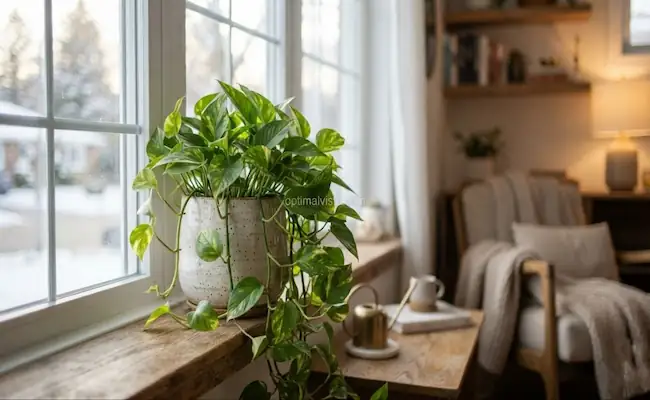
Pothos likes a comfortable indoor range of 65°F to 85°F, and I try not to let mine dip below 50°F even overnight. Anything colder and you’ll start seeing droopy, blackened leaves within a day or two.
- Keep it a few feet from drafty windows, exterior doors, and unheated porches.
- Never rest the pot directly against glass in a cold Yard-facing window.
- Stay clear of heating vents and radiators dry blasting heat is just as damaging as cold air.
- If you’re bringing an outdoor pothos in from the yard, do it the same week you’d pull in tender crops like zucchini or eggplant, since both are wiped out by the first frost too.
- In-ground pothos in a mild-zone bed (rare, but it happens) needs a thick mulch layer over the roots plus a frost cloth on cold nights, the same way a community gardener protects other tender container plants.
Humidity Management
Furnaces and heaters dry the air out fast, and pothos appreciates a bit more moisture than a heated living room usually offers.
- A pebble tray with water under the pot raises humidity slightly around the leaves.
- A small humidifier nearby works even better if your home runs very dry.
- Skip heavy misting leaves that stay wet too long in cool indoor air are prone to fungal spotting, so a humidifier is the smarter call here.
Fertilizing During the Colder Months
This is where winter care for pothos plants goes sideways, mostly because people keep feeding on the same summer schedule. You’ll see conflicting advice online feed lightly before cold arrives, or stop entirely once winter hits.
Truth is, fertilizing in early Fall to strengthen roots is fine, but once growth actually slows, stop.
- Stop fertilizing entirely once growth slows down in late Fall.
- If you do feed, use a balanced liquid fertilizer at half strength, no more than once.
- Skipping food altogether is fine the plant isn’t building new growth, so there’s nothing to fuel.
- Excess fertilizer just sits in the soil as salt buildup and can scorch the roots, since there’s no active growth to actually absorb it.
Should You Repot in Winter?
Short answer: No. Repotting is a Fall job, done a few weeks before temperatures drop, so roots have time to settle before growth stalls. Once winter is in full swing, disturbing the root ball adds stress the plant can’t recover from quickly
If your pothos is rootbound going into the season, repot it in early spring instead.
Pruning and Leaf Care
Grab your pruners and trim anything clearly done for dead, yellowed, or blackened leaves won’t recover and just pull energy from the healthy parts of the vine.
- Snip leggy, bare stems back to a leaf node to encourage bushier spring growth.
- Cold-damaged leaves look water-soaked and turn almost black within a day, which is different from the slow yellowing of normal aging.
- Toss trimmed leaves in the trash or your compost bin, not left sitting in the pot where they can mold.
Propagating Pothos Cuttings in Winter
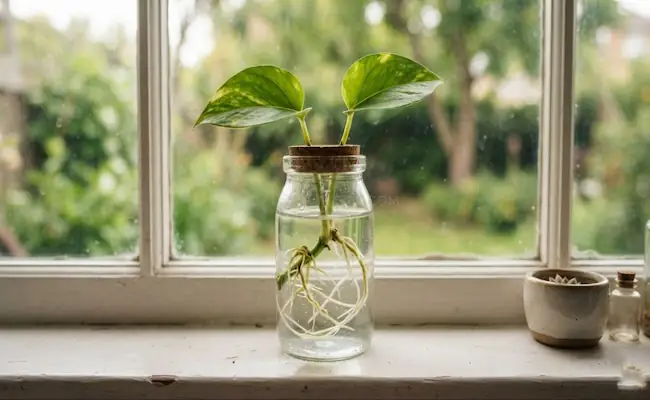
You can still root cuttings indoors during winter, though it takes longer than in June:
- Take a 4 to 6 inch cutting with at least one leaf node.
- Place it in a jar of room-temperature water near a bright window.
- Expect roots in about 4 to 6 weeks instead of the usual 2, since cooler temps slow things down.
- If you’re rooting cuttings you took before the cold set in, get them planted into soil now rather than leaving them in water all season.
Watch for Winter Pests
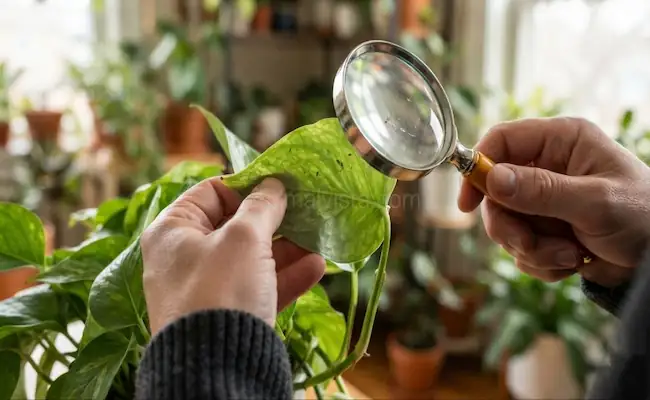
Dry indoor heat is basically a welcome mat for spider mites and mealybugs, and this is the part of pothos plant care in winter most guides skip entirely.
- Check the undersides of leaves for fine webbing, tiny moving specks, or a stippled, speckled look.
- Sticky residue on leaves usually means mealybugs.
- Wipe leaves down with a damp cloth every couple of weeks as prevention.
- For an active infestation, isolate the plant from your other houseplants and treat weekly with neem oil until it clears up.
If soil gnats show up too, that’s a separate (and very common) winter houseplant headache here’s how to deal with them without hurting the plant.
Quick Troubleshooting Table
| Symptom | Likely Cause | What to Do |
|---|---|---|
| Yellow leaves near the base | Overwatering | Let soil dry fully, check drainage |
| Brown, crispy leaf edges | Low humidity or heater proximity | Move away from vents, add humidity |
| Leggy stems, no new leaves | Not enough light | Move closer to window, add grow light |
| Black, mushy leaves | Cold shock or draft | Relocate immediately, trim damage |
| Droopy, limp leaves | Too cold, or roots sitting in water | Check placement and check roots for rot |
| Losing variegated color | Light too low | Increase bright, indirect light |
| No growth for weeks | Normal winter dormancy | Be patient, resume normal care in spring |
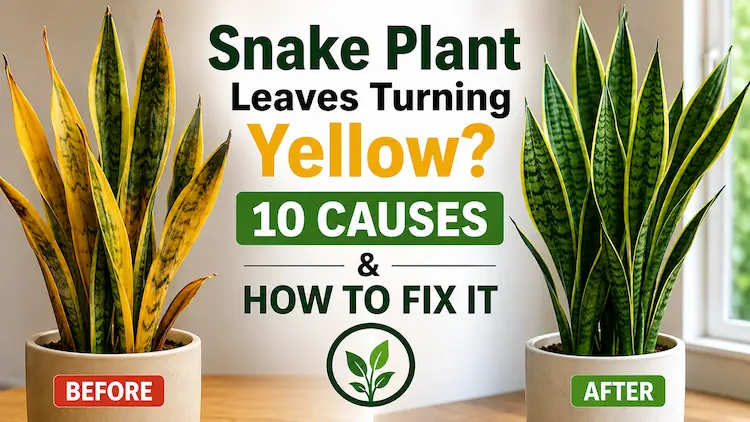
Pothos isn’t the only houseplant that turns yellow for confusing reasons in winter if you’re also dealing with a snake plant showing yellow leaves, the overwatering logic above applies there too, though the fix differs a bit by plant.
A Note on Varieties
Not every pothos reacts to winter the same way. Golden Pothos is toughest and barely notices the season change.
Marble Queen and Manjula, with heavier white patches, fade fastest in low light since those pale sections can’t photosynthesize well to begin with. Neon Pothos can look a little duller too, which is normal and bounces back once light improves.
Normal Dormancy vs. Real Trouble
In my experience, the hardest part of pothos winter care isn’t the routine it’s not panicking over normal slowdown.
- Normal: slower growth, smaller new leaves, slightly dull color, no new leaves for a month or two.
- Actual problem: mushy black stems, a rotten smell from the pot, leaves dropping in clumps, or a soil surface that stays soggy for over a week.
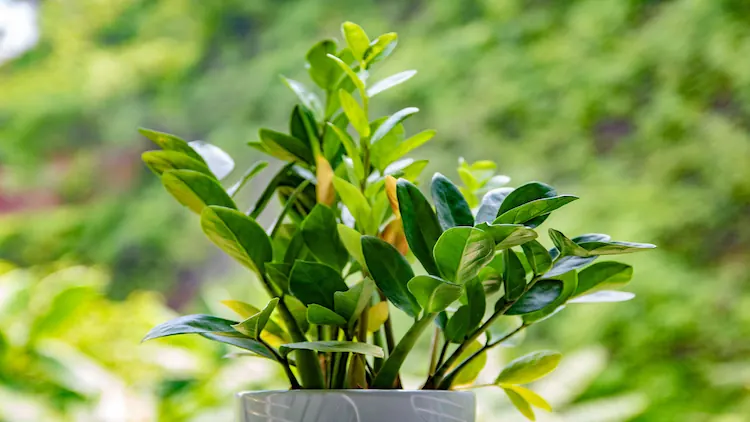
If you’re juggling a dozen houseplants through winter, this distinction alone saves you from repotting or fertilizing a plant that’s perfectly fine. Also check cold-sensitive neighbors on the same windowsill a ZZ plant in its own winter routine or a potted mum trying to survive the season can trigger the same false alarms.
Getting Ready for Spring
Watch for the first sign of new growth rather than the calendar. Once you spot it, resume normal watering, start feeding at half strength again, and repot if roots have outgrown the pot. It’s a slow shift, not a switch flipped overnight.
Final Thoughts:
Pothos winter care isn’t complicated once you stop treating winter like an emergency. Water every 3 to 4 weeks, give it more light instead of less, keep it above 50°F and away from drafts and heaters, hold off on fertilizer and repotting, and let slower growth happen without stressing over it. Stick to these basics and your plant returns to trailing, full color, and fast growth once spring light comes back.