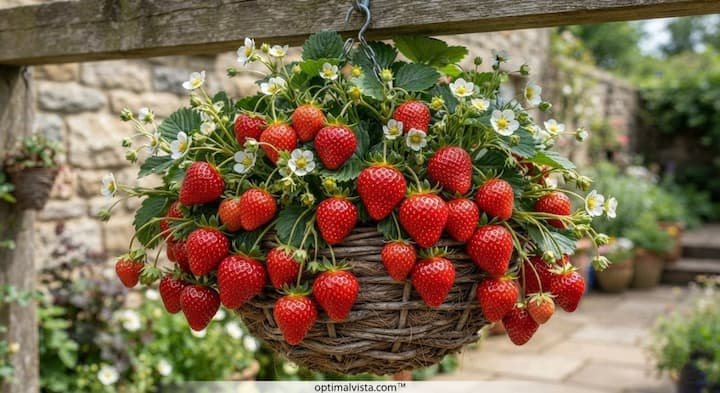
Ever notice how some backyard strawberry patches go wild by June while others barely give you a handful of berries?
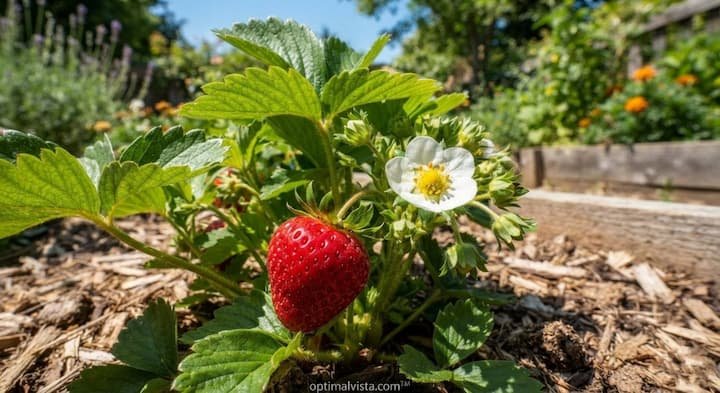
Most of the difference is decided in the first week, not in summer. That is why how to plant strawberries in spring matters more than any trick you try later. Timing, crown depth and soil all lock in your harvest before the first flower even opens.
Short answer: plant dormant crowns or transplants as soon as the soil can be worked, in full sun, 12 to 18 inches apart, with the crown sitting right at soil level. Here is the full picture, from picking your type to keeping plants going for years.
Know Your Strawberry Type Before You Buy
Care changes with the type, so check the tag first. Planting strawberry crowns that don’t match your goals is the most common reason people feel let down by their harvest. If you’re torn, our breakdown of June-bearing and everbearing types goes deeper.
| Type | Harvest window | Runners | Best for |
|---|---|---|---|
| June-bearing | One big crop, late spring to early summer (about 3 weeks) | Lots, let some root | Jam and freezing |
| Everbearing | Two or three smaller flushes: spring, summer, Fall | Few | Steady snacking |
| Day-neutral | Berries all season until frost | Very few | Pots and small yards |
Popular picks: Earliglow and Jewel (June-bearing), Ozark Beauty (everbearing), Seascape and Albion (day-neutral). Ask a local nursery what does best near you.
How Strawberry Plants Actually Grow
Knowing the life cycle makes every later step make sense.
- The crown is the short stem at the base where roots and leaves meet.
- Roots and leaves come first, then white flowers.
- Each pollinated flower swells into a berry, and the little seeds on the outside are tiny fruits.
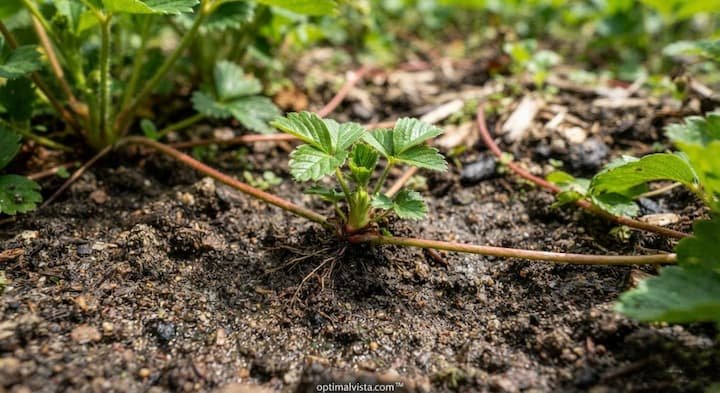
- After fruiting, the plant sends out runners that root and make baby plants.
- It’s a perennial: it dies back in winter and regrows in spring, staying productive for about 3 to 4 years.
Pick the Right Spot and Sunlight
In my experience, six hours of direct sun is the bare minimum, and plants getting eight or more give noticeably bigger berries. Favor a spot that catches morning sun and early afternoon light.
- Clear weeds and debris before you plant.
- Skip low spots where cold air and water settle.
- Avoid beds where tomatoes, peppers, eggplant or potatoes grew recently, since they can leave behind wilt disease.
Soil Prep and pH
Good soil work before planting strawberries in spring saves you from fixing problems later. Strawberries want loose, loamy, well-drained soil.
Not sure what to mix? Our guide to the best soil covers it.
- Aim for a pH between 5.5 and 6.8.
- Work 2 to 3 inches of compost into the top 12 inches a few weeks before planting.
- Heavy clay: add 4 inches of compost and build a mound, or use a raised bed.
- Sandy soil: add a 1 to 2 inch layer of compost to hold moisture.
- Test pH with a home kit. Lime raises it, and sulfur lowers it.
How to Plant Strawberries in Spring the Right Way
Buy certified disease-free plants from a reputable nursery, and check your local last frost date.
- Bare root crowns: cheapest and most common. Plant them dormant.
- Potted transplants: set them at pot depth, with the crown level with the soil.
When to plant strawberries comes down to the soil, not the calendar. Go as soon as the ground can be worked and isn’t soggy. Soak bare root crowns in water for about an hour first. I like to do this while I dig the holes.
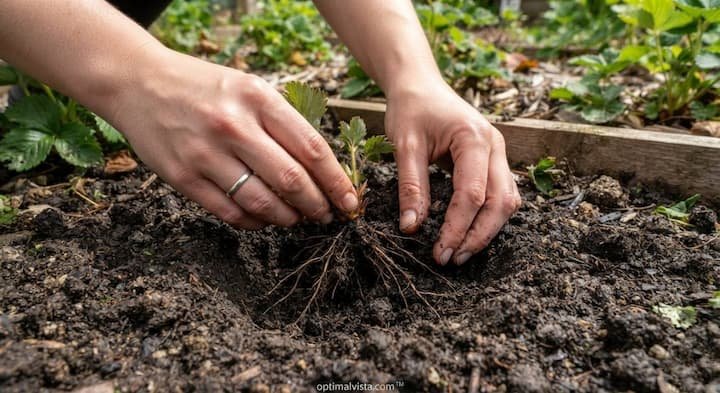
- Dig holes wide enough that the roots hang straight, with no bent or J-shaped roots.
- Planting strawberry crowns means roots buried and the center of the crown, where leaves emerge, sitting just above the soil line.
- Too deep and the crown rots. Too shallow and the roots dry out.
- Space plants 12 to 18 inches apart, with rows 2 to 4 feet apart.
- Firm the soil and water well right away.
- Dormant crowns can go in once nights stay above 25°F.
- Can’t plant right away? Keep bare root crowns cool and damp in the fridge.
- Harden off any transplants raised indoors for a few days first.
- Plant on a cloudy day or in the evening to cut transplant shock.
- Crowding plants shrinks berries and spreads disease faster.
- Matted rows suit June-bearers. Everbearing and day-neutral plants do best in hills with runners snipped.
Growing Strawberries From Seed or a Store-Bought Berry
Seeds are the slow route. Start them indoors 8 to 10 weeks before your last frost, and transplant once seedlings have a few true leaves. Expect fruit 10 to 12 months later.
- Store-bought berries: dry the seeds from the surface and sow them.
- Germination runs lower, and hybrids won’t grow true to the parent.
Watering Strawberry Plants
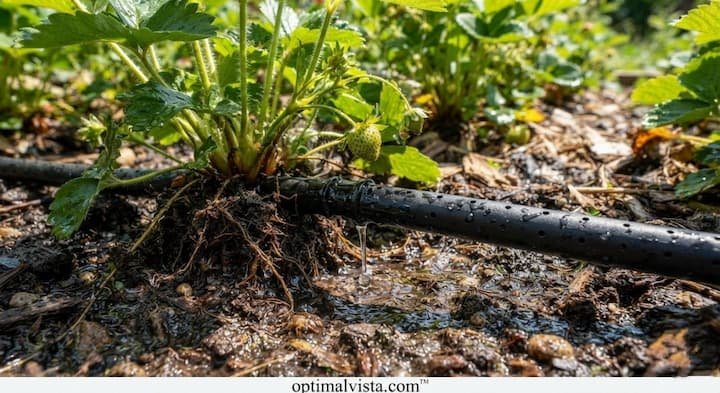
Strawberries have shallow roots, so they want steady moisture. Give them about 1 to 1.5 inches of water per week from rain or irrigation, a little more while berries are filling out. Water at the base in the morning so leaves dry fast. Soggy soil invites root rot, so don’t overdo it.
Here’s a handy watering schedule to follow:
- New plants: check daily for the first couple of weeks.
- Finger test: if the top inch is dry, water.
- Pots dry out faster, so check them daily in warm weather.
- Drip irrigation or a soaker hose keeps water at the roots and off the leaves.
- Overwatered plants yellow, wilt in wet soil and get a mushy crown.
Mulching for Moisture, Clean Fruit and Weeds
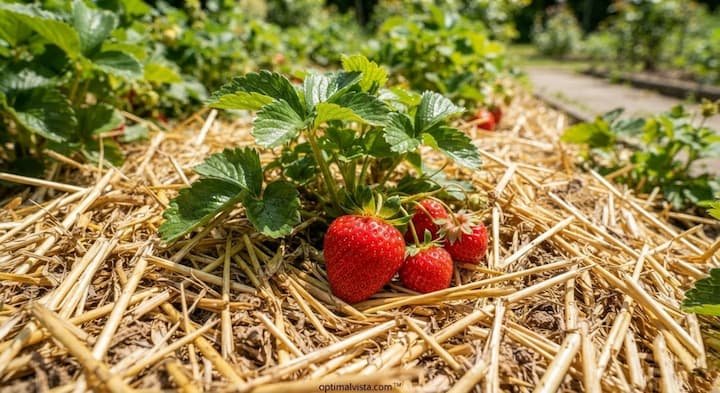
Straw mulch keeps berries off the dirt, holds moisture and blocks weeds. Spread a 1 to 2 inch layer around the plants, but keep it off the crowns. I think straw is worth the few bucks, and pine straw works too. Keep the layer tidy, because slugs love a deep, soggy mulch pile.
Pull weeds by hand, since hoeing can damage the shallow roots.
Feeding and Fertilizer Schedule
Feed lightly and on a schedule. If you want product picks, check our best fertilizer guide.
- At planting: compost worked into the bed is enough.
- Once new growth is going, use a balanced fertilizer or one higher in potassium, following the label.
- Repeat every 3 to 4 weeks through the growing season.
- Go easy on nitrogen, since too much gives you big leaves and few berries.
- Coffee grounds and crushed eggshells are fine small extras, but they aren’t a full feed.
- Containers and grow bags: feed every 7 to 14 days with a potassium-rich liquid feed, like tomato food.
- Bigger, sweeter berries: full sun, steady water, potassium, and fewer early runners and flowers.
First-Year Flower Removal and Runner Management
On June-bearing plants, pinch off every flower the first season. The plant builds roots and crowns instead of fruit, and your crop next year is bigger. I pinch blossoms on everbearing plants for the first month or so too, then let them fruit.
Runners are baby plants on long stems. On everbearing and day-neutral types, snip most of them so energy goes into berries. With June-bearers, let a few root where you want fill-in plants, and cut the rest with pruners or scissors. Our guide on growing from runners shows how to root them.
Pollination and Misshapen Berries
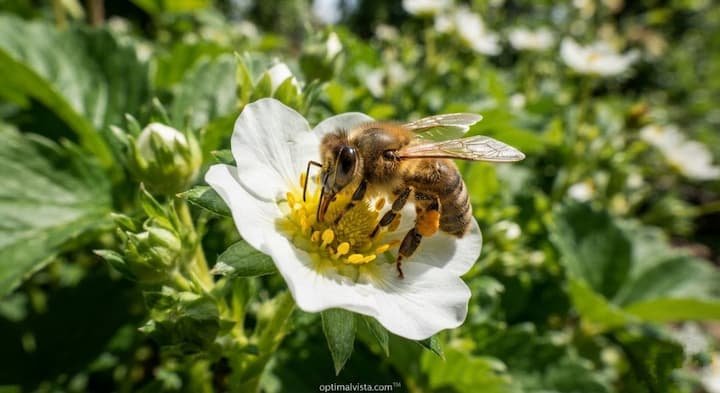
Every blossom needs pollen to make a full, even berry. Bees do most of the work, with help from wind. Poor pollination or cold at bloom gives lumpy fruit, so skip spraying while plants flower.
A late freeze can leave a black center in a blossom, so cover plants when frost is forecast.
- Plant borage or other flowers nearby to draw in more bees.
- No bees around? Brush each open blossom gently with a soft brush.
Spring Strawberry Planting Aftercare Checklist
- Pull back winter mulch gradually as new growth starts.
- Rake out dead leaves and weeds.
- After freeze and thaw cycles, press any heaved crowns back into the soil.
- Give the first feeding once leaves are growing.
- Keep frost cloth handy, because open blossoms can get hurt near 30°F.
- Remove dead or damaged leaves and thin crowded plants for airflow.
- Small yard? Vertical towers or stakes keep fruit off the soil and let in more light.
Summer Care: Heat, Water and Harvest
Hot spells stress strawberries fast. Add afternoon shade cloth if temps climb, water deeply instead of in quick sprinkles, and keep mulch topped up. Pick ripe berries every 2 to 3 days so nothing rots on the plant and attracts pests, and clear off any moldy fruit right away.
- Water in the early morning so leaves dry before the afternoon heat.
- Keep feeding everbearing and day-neutral plants every 3 to 4 weeks while they fruit.
- Check potted plants daily, since pots dry out fastest.
Renovating June-Bearing Beds After Harvest
June-bearers need a reset right after the last pick. Everbearing and day-neutral plants don’t.
- Mow or trim leaves down to about 1 inch above the crowns, without cutting the crowns themselves.
- Thin plants to about 6 inches apart and pull weeds.
- Rake up the clippings. Toss any diseased leaves in the trash, not the compost pile.
- Feed and water so fresh leaves come back strong.
Fall Care and Winter Protection
Wait until plants go dormant after a few hard frosts, when nights hit the low 20°F range. Then cover them with 4 to 5 inches of loose straw. That’s the rule for USDA Zones 4, 5 and 6.
In Zones 7 and 8, a lighter 2 inch layer or a frost cloth does the job. Hold off on nitrogen in late Fall, since it pushes tender growth that winter will burn. Pull the mulch back gradually in spring.
Pests and Diseases
I’ve lost more berries to birds than anything else, so I net early. For help, see our tips on protecting from birds.
- Slugs: clear leaf litter, use copper tape, and keep mulch tidy.
- Aphids: spray leaves with soapy water or neem oil every few days.
- Gray mold and powdery mildew: space plants well, water at the base, and pick fruit often.
- Leaf spot and crown rot: remove affected leaves and improve drainage.
- Wilt: rotate beds so strawberries don’t return to the same spot for 3 to 5 years.
- Spider mites: hot, dry weather brings speckled, bronzed leaves. Hose plants down and spray neem oil.
- Ants: they chew new roots. Coffee grounds around the base help repel ants and pill bugs.
- Snails and slugs hide by day, so hand-pick them at dusk.
- Tarnished plant bugs: berries turn seedy and knobby. Keep weeds down.
- Rodents: they nibble berries, so cover beds with netting or hardware cloth.
- Fungal trouble: remove affected fruit and leaves right away, skip spring nitrogen, and use fungicide only as a last resort.
Troubleshooting: Why Is My Strawberry Plant Struggling?
Most strawberry problems show up on the leaves and fruit first, so a quick look at your plants usually tells you what’s wrong. Match what you see in the table below, then fix the cause instead of guessing.
Change one thing at a time, and give plants a week or two to respond before trying something else.
| Symptom | Likely cause | Fix |
|---|---|---|
| Yellow leaves | Low nitrogen or soggy soil | Feed lightly, fix drainage |
| Red leaves | Old leaves dying naturally, or fungal leaf spot | Trim old leaves, improve airflow |
| Big leaves, few berries | Too much nitrogen | Cut back feeding, add sun |
| Small, sour berries | Not enough sun, water or potassium | Read about small sour berries |
| Misshapen berries | Poor pollination or cold at bloom | Protect blossoms, welcome pollinators |
| New plants dying | Planted too deep, dry roots, ants or wilt | Check crown depth, water, try a new bed |
| Wilting plants | Dry soil, or soggy soil rotting roots | Check moisture and drainage |
| Holes in leaves or fruit | Slugs | Clear hiding spots, add copper tape |
Strawberries in Pots, Raised Beds and Indoors
- Pots: at least 8 to 12 inches deep, with drainage holes and light potting mix. A 5-gallon bucket works too.
- Hanging baskets: day-neutral and everbearing types do best. Try our hanging basket strawberries guide.
- Raised beds: soil warms earlier and drains well, so plant crowns 12 inches apart.
- Indoors: a south window with 6 hours of light or a grow light, with day-neutral plants.
- Potted plants in cold zones: move them to an unheated garage for winter.
- In-ground beds last longest. Pots can shorten a plant’s life, so replace container plants sooner.
- Strawberry jars with side pockets work too, if you turn them so every pocket gets sun.
- Greenhouse: no frost worries, but keep it near 59°F until plants bloom.
- Allow about 8 to 10 inches of pot width per plant.
Regional Tips: When to Plant Strawberries in Hot and Cold Zones
Spring strawberry planting works well in USDA Zones 4, 5, 6 and 7, where winters are cold and summers stay moderate.
In the hottest areas, like Texas, Florida and Arizona, strawberries do better as a Fall-planted crop set out in September or October, so roots settle in before winter.
- Zones 4 and 5: planting strawberries in spring right after the ground thaws, and mulch heavily for winter.
- Zones 6 and 7: go as soon as soil is workable, and watch for late frosts.
- Zone 8 and warmer: plant in Fall or late winter, and give afternoon shade.
- Texas: plant in September or October, choose heat-tolerant varieties, and shade plants from afternoon sun.
- Florida: plant in October and harvest through winter, using raised beds or plastic-covered rows.
- Arizona: plant in early Fall, shade plants in the afternoon and water more often.
Companion Plants and What to Avoid
Good neighbors include borage, thyme, spinach, lettuce, onions, garlic and chives. Our list of companion plants has more. Onions, garlic and chives can help keep pests guessing, and borage pulls in pollinators.
- Avoid tomatoes, peppers, eggplant, potatoes and melons.
- Keep roses, mint and okra away too.
- Don’t plant strawberries where any of these grew recently.
Many plants on that list share a soil-borne wilt that hits strawberries, and mint spreads so fast it crowds them out.
Harvesting and Storing Strawberries
Berries ripen about 4 to 6 weeks after blossoms open, and they don’t sweeten after picking.
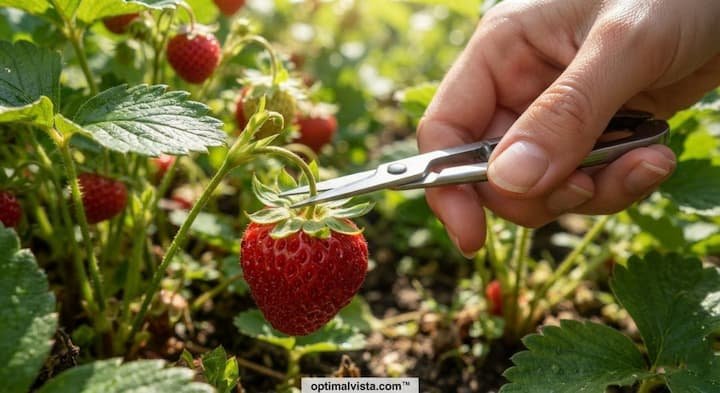
My go-to check is color: red all the way to the shoulders, with no white tip. Pinch or snip the stem just above the berry and leave the green cap on. For a quick reference, see our notes on harvest timing.
- Pick every 2 to 3 days, in the cool morning.
- Store unwashed in the fridge, use within 3 to 5 days, and rinse right before eating.
- Freeze extras on a tray, then bag them.
- Cook the soft ones into jam.
When to Replace Plants and Start a New Bed
Strawberry plants typically stay productive for about 3 to 4 years, according to University of Nebraska-Lincoln Extension. After that, yields drop. Root runners from your healthiest plants to start a fresh bed in a new spot, and retire the old one.
If you’re a community gardener sharing a plot, write the planting date on a label so beds rotate on time.
Final Thoughts:
Now you know how to plant strawberries in spring and what each month asks of you after that. Get the spot, soil and crown depth right, water steadily, feed lightly, and pinch early flowers. Then walk the rows every few days and fix small problems before they grow. Do that, and your backyard patch will pay you back with sweet berries for the next three or four seasons.