If you have just picked up a Philodendron Brasil from the nursery, or someone gifted you a cutting from their own plant, you are probably staring at those lime and green streaked leaves wondering what you are supposed to do with it now. I get that question a lot, and honestly, the short answer is — not much. This is one of those plants that forgives a lot of small mistakes, which is exactly why it has become such a popular pick for people who are just starting out with houseplants.

That said, there are a handful of things that genuinely make a difference to how full and colourful this plant looks over time. In my experience, the biggest difference between a Philodendron Brasil that looks sad and stretched out versus one that looks lush and full comes down to light, watering rhythm, and knowing when and how to prune it. So let us go through Philodendron Brasil care properly, one piece at a time, without turning this into a botany lecture.
What Exactly Is a Philodendron Brasil
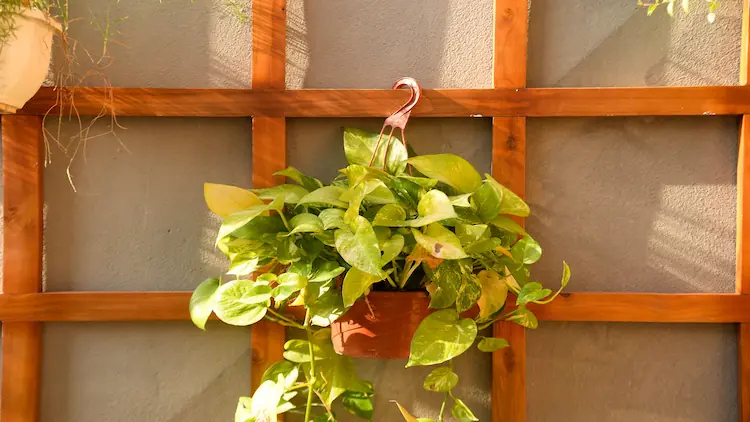
Philodendron Brasil is a variegated cultivar of the Heartleaf Philodendron. The leaves are heart shaped, glossy, and each one has a streak of yellow-green cutting through the middle of a darker green background. No two leaves look exactly alike, which is part of the charm. It is a vining plant, so left alone it will trail down from a shelf or hanging basket, or you can train it to climb up a moss pole if you prefer a more upright look.
It grows fast for a houseplant, tolerates a bit of neglect, and is generally considered a fairly easy plant to keep alive indoors. That does not mean it is a “set and forget” plant though good Philodendron Brasil care still requires paying attention to a few basics.
Philodendron Brasil Care at a Glance
Before going into detail, here is a quick summary table you can bookmark and come back to whenever you need a reminder.
| Light | Bright, indirect light; some morning sun is fine |
| Water | When top 1-2 inches of soil feel dry |
| Humidity | 50-60% is ideal, but it survives normal room humidity too |
| Temperature | 65°F to 80°F (18°C to 27°C) |
| Soil | Loose, well draining mix with peat or coco coir and perlite |
| Fertilizer | Balanced liquid feed once a month during spring and summer |
| Pruning | Every 6-8 weeks during growing season |
| Toxicity | Mildly toxic to pets and humans if eaten |
Now let us talk about each of these properly, because a table only gets you so far.
Light Requirements for Philodendron Brasil Care
This is where most of the trouble starts with Philodendron Brasil care, honestly. Philodendron Brasil needs bright, indirect light to hold on to that yellow-green variegation. Put it too far from a window and the new leaves start coming in solid green, losing the pattern that made you want the plant in the first place. Put it in harsh direct sun, especially afternoon sun through a south or west facing window, and the leaves scorch and turn crispy at the edges.
An east facing window is close to perfect because it gets a gentle dose of morning sun and then softer light for the rest of the day. If your only option is a brighter south or west window, hang a sheer curtain in between or keep the plant a few feet back from the glass.
A sign your plant is not getting enough light: the stems between leaves start stretching out longer than usual, and the plant looks stringy instead of full. That gap between leaves growing longer is often mistaken for a watering problem, but nine times out of ten it is a light issue.
Watering Philodendron Brasil the Right Way
Here is where I will save you some grief. When it comes to Philodendron Brasil care, the single biggest killer of this plant is not underwatering, it is overwatering. Roots that sit in wet soil for too long start to rot, and once that starts, it is hard to reverse.
The rule I follow, and the one that has worked well for me, is simple: stick your finger about an inch into the soil, and if it feels dry, water it thoroughly until water runs out the drainage hole. If it still feels damp, wait a couple more days and check again. Depending on your home’s temperature and how much light the plant gets, this usually works out to watering roughly once a week in summer and once every ten to fourteen days in winter, but do not go strictly by the calendar — go by how the soil actually feels.
A pot without drainage holes is a common trap here. Even if you water correctly, extra water pooling at the bottom with nowhere to escape will eventually cause root problems. Always use a pot with a drainage hole, or keep the plant in its plastic nursery pot and slip that inside a decorative one.
Humidity and Temperature in Philodendron Brasil Care
Since this plant originally comes from warm, humid parts of South America, it naturally prefers higher humidity, somewhere around 50-60%. That said, most homes sit closer to 30-40% humidity and the plant still does fine it just will not be quite as lush. If you notice the leaf tips turning brown and crispy, dry air is usually the reason.
A few easy ways to bump up humidity around the plant:
- Run a small humidifier nearby, especially in winter when heating dries out the air
- Group it together with other houseplants, since plants naturally release moisture into the air around them
- Set the pot on a shallow tray filled with pebbles and water, keeping the pot itself above the waterline
For temperature, keep it between 65°F and 80°F. Anything below 55°F for an extended period starts to stress the plant, so keep it away from cold windowsills in winter and away from air conditioner vents blasting cold air directly onto the leaves in summer.
Soil and Potting for Philodendron Brasil Care
Philodendron Brasil does not want to sit in heavy, compact soil that holds onto water for days. A loose mix that drains fast but still holds a bit of moisture works best. A combination I would recommend is roughly half regular potting soil mixed with a quarter coco coir or peat and a quarter perlite. This gives roots enough air pockets to breathe while still retaining some moisture between waterings.
When it comes to pot material, terracotta is a solid choice because it is porous and lets excess moisture evaporate through the sides, which lowers the chances of root rot. Plastic pots hold moisture longer, which can actually help if you tend to forget waterings, but they need closer attention to avoid the soil staying wet too long.
Good Philodendron Brasil care also means repotting on time roughly once every one to two years, or sooner if you notice roots poking out of the drainage hole or circling tightly around the bottom of the pot. Move up just one pot size at a time going from a 6 inch pot straight to a 10 inch one gives the roots too much extra soil to sit in, and that extra soil holds excess water the plant does not need.
Fertilizing as Part of Philodendron Brasil Care
Feed your Philodendron Brasil a balanced liquid fertilizer once a month during spring and summer, when the plant is actively putting out new growth. Dilute it to about half the strength mentioned on the label full strength tends to be too harsh for indoor plants and can burn the roots over time. Skip fertilizing altogether in fall and winter since growth naturally slows down and the plant simply does not need the extra nutrients during that period.
Every few months, it also helps to flush the soil by running plain water through the pot a couple of times until it drains freely from the bottom. This washes out any salt buildup left behind by fertilizer, which if ignored, shows up as brown, crunchy spots on the leaf edges.
Pruning Philodendron Brasil Step by Step
This is the part most guides either skip entirely or barely touch on, which is odd because pruning is honestly what turns a scraggly, single-vine plant into a full, bushy one. Here is exactly how I go about it.
Step 1 – Pick the right time. Late spring through summer is the best window since the plant is actively growing and recovers quickly from a trim. Avoid heavy pruning in fall or winter; light tidying of dead leaves is fine any time of year.
Step 2 – Gather clean tools. Use sharp scissors or pruning shears and wipe the blades with rubbing alcohol before you start. A dull or dirty blade tears the stem instead of cutting cleanly, and that torn tissue is an easy entry point for disease.
Step 3 – Spot the stems that need trimming. Look for vines that have grown long and bare looking, with big gaps between leaves. Also check for any yellow or damaged leaves that are past saving.
Step 4 – Cut just above a node. A node is that small bump on the stem where a leaf or aerial root grows from. Cutting just above one of these encourages new growth to branch out right from that point, which is what actually makes the plant bushier instead of just shorter.
Step 5 – Do not overdo it. Avoid removing more than a quarter to a third of the plant in one sitting. Cutting back too much in one go stresses the plant and can slow down recovery. If it needs a bigger trim, spread it out over two or three sessions a few weeks apart.
Step 6 – Save the cuttings. Do not throw away what you trim. Every stem cutting with a node on it can be propagated into a whole new plant, which brings us to the next section.
One thing worth mentioning: before you reach for the scissors, check if the plant is actually stressed to begin with — wilting, sitting in waterlogged soil, or recovering from a recent repot. Pruning a plant that is already struggling adds extra stress at the wrong time. Sort out the underlying issue first, water it back to health, and prune once it looks stable again.
Propagation :
Propagating Philodendron Brasil is genuinely one of the easiest things you can do with a houseplant, and it is a nice way to get more plants for free or share cuttings with friends.
- Choose a healthy stem with at least two or three leaves and a visible node
- Cut just below the node using clean scissors
- Remove the bottom leaf so the node is bare
- Place the cutting in a jar of water with the node submerged, or straight into a light, well-draining soil mix
- If rooting in water, change it every 4-5 days to keep it fresh
- Roots usually show up within two to three weeks; once they are about an inch long, move the cutting into soil
Rooting in water lets you actually watch the progress, which is satisfying if you are new to propagating, but plants that root directly in soil tend to adjust a little faster once potted since they never have to switch mediums.
A Rough Seasonal Calendar
Since a lot of Philodendron Brasil care depends on the season, here is a simple breakdown of what to focus on through the year:
- Spring: Resume regular fertilizing, this is the best window for repotting and major pruning
- Summer: Water more frequently as growth speeds up, keep an eye on humidity if your home runs dry with the air conditioning on
- Fall: Start tapering off fertilizer, do only light pruning if needed
- Winter: Stop fertilizing, water less often, keep the plant away from cold drafts and heating vents
Common Problems and What They Actually Mean
- Yellow leaves: Usually points to overwatering. Check if the soil feels wet several days after you last watered. If so, hold off watering until it dries out properly, and check that the pot is draining well.
2. Leggy growth with big gaps between leaves: This is almost always a light problem, not a watering one. Move the plant closer to a bright window and follow up with a pruning session to encourage bushier new growth.
3. Losing the yellow-green variegation: Also a light issue in most cases. Older leaves naturally lose some variegation too as they age, which is normal and nothing to worry about.
4. Brown, crispy leaf tips: Usually dry air. Try misting a couple of times a week or moving the plant away from heating or cooling vents.
5. Slow growth despite good care: Could mean the plant is root bound and ready for a slightly bigger pot, or it might just be winter, when growth naturally slows down regardless of how well you are caring for it.
Pests to Watch Out For in Philodendron Brasil Care
Philodendron Brasil is fairly resistant to pests, but it is not completely immune. The two most common troublemakers are:
- Mealybugs — small, white, cotton-like clusters, usually hiding where leaves meet the stem. Wipe them off with a cotton swab dipped in rubbing alcohol
- Spider mites — tiny pests that leave fine webbing and pale speckled spots on leaves, more common when the air is very dry. Rinse the leaves under water and follow up with insecticidal soap or neem oil spray if the infestation is bad
Check under the leaves every couple of weeks while you are watering — catching pests early makes them far easier to deal with.
Toxicity and Safety Notes for Philodendron Brasil Care
Philodendron Brasil contains calcium oxalate crystals, which makes it mildly toxic if chewed or eaten by pets or humans. If a curious cat, dog, or small child bites into a leaf, expect symptoms like drooling, mouth irritation, or a burning sensation, and in more serious cases, swelling or trouble swallowing.
If this happens, rinse the mouth out with water right away and call your vet or a poison control line for guidance rather than waiting to see if symptoms pass on their own. Wearing gloves while pruning is a good habit too, since the sap can irritate skin on contact.
Keeping the plant on a high shelf or in a hanging basket, out of reach of pets and toddlers, is the simplest way to avoid this becoming a problem in the first place.
Philodendron Brasil vs Other Similar Philodendrons
People often confuse Brasil with a couple of its close relatives, so here is a quick comparison to clear that up.
| Variety | Leaf Pattern | Growth Habit |
|---|---|---|
| Philodendron Brasil | Yellow-green streak through darker green | Fast growing, vining |
| Philodendron Micans | Solid, velvety bronze-green, no variegation | Slower, vining |
| Heartleaf Philodendron | Solid plain green | Fast growing, vining |
If your plant tag simply said “Philodendron” without the variegated streak, you likely have the plain Heartleaf variety rather than Brasil, and it will not develop that yellow patterning no matter how much light you give it.
What You Will Actually Spend on Tools
You do not need a long shopping list for Philodendron Brasil care. Realistically, here is what covers it:
- A pair of decent pruning shears — a one time purchase, usually under $15
- A bottle of rubbing alcohol for sterilizing tools — a few dollars, lasts a long time
- A balanced liquid fertilizer — around $10-15, lasts several months at monthly use
- Perlite and coco coir for soil mix — around $10-20 combined, enough for several repottings
That is genuinely most of it. This is not a plant that demands special grow lights or expensive equipment to do well.
Final Thoughts :
Philodendron Brasil care really is not something you need to overthink once you understand the basics bright light, water only when the soil needs it, and a regular trim to keep growth full instead of stringy. Most problems come back to just one of those three things. Once you get a feel for how your plant responds to your home’s light and humidity, you will find yourself barely thinking about it at all, which is the whole point of picking an easygoing plant like this one.