Have you ever walked out to your backyard on a warm July morning and found your marigolds looking chewed, spotted, or just droopy for no reason? I used to believe marigolds were the one flower pests wouldn’t touch, the old “plant them and every bug stays away” story every gardener hears at some point.
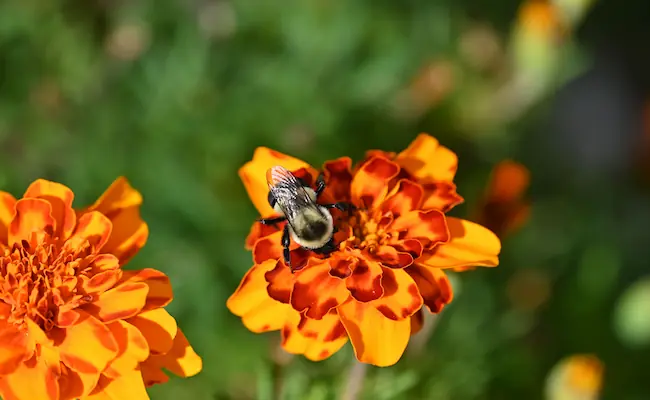
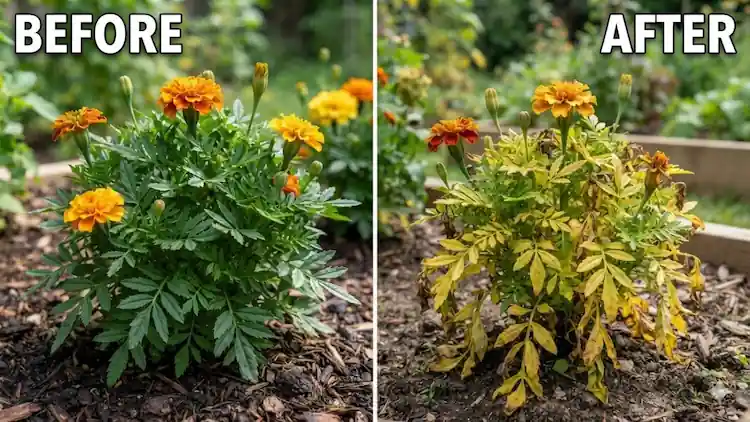
Then one August, the leaves on my own marigold bed turned yellow and curled almost overnight, and I realized I needed a real plan for marigold pests and diseases treatment, not just a garden myth. If you’re standing in your yard right now wondering the same thing, you’re not alone, and once you know what’s actually going on, most of it is easy to fix.
It’s worth clearing up that myth right away, because it changes how you think about prevention. Research conducted at Rutgers University found that marigolds actually failed to repel cabbage, carrot, and onion pests when planted alongside those crops, despite the popular belief. So if you’ve been counting on your marigold border to shield your zucchini and eggplant patch from bugs on its own, that’s not quite how it works, and the marigolds themselves still need their own care and attention.
Common Marigold Pests You’ll Find in Your Backyard
Marigolds have a reputation as the tough guy of the flower bed, and mostly that’s fair, but it’s not the full picture. According to Piedmont Master Gardeners, the USDA lists around 15 pests that attack marigolds, including aphids, Japanese beetles, snails, and spider mites.
The ones I run into most in my own yard are:
- Spider mites: tiny, almost invisible, and worst during hot, dry stretches. Look for fine webbing and a dusty, speckled look on the leaves.
- Aphids: small, soft-bodied insects that cluster on new growth and buds, leaving behind a sticky residue.
- Japanese beetles: these show up in mid-summer and chew ragged holes straight through the petals and leaves.
- Thrips and whiteflies: smaller pests that hide on the underside of leaves and cause a silvery or mottled look.
- Slugs: mostly a problem after rain, chewing holes near the base of young plants overnight.
The North Carolina Extension Gardener Plant Toolbox notes that marigolds generally have no serious insect problems, but spider mites, Japanese beetles, and slugs are the ones most likely to show up. The University of Florida IFAS Extension also points out that predatory mites and wasps have been used successfully for natural pest control, which is worth remembering before you reach for a spray bottle.
The Fungal and Viral Diseases Behind Sick Marigolds
Pests are only half the story. The other half is disease, and this is where a lot of home gardeners get confused because the symptoms can look so similar to nutrient problems.
According to UF/IFAS Extension, marigolds are prone to botrytis blight, which turns flowers brown and decayed in wet weather and leaves a gray mold on fading blooms, along with a leaf spot disease that starts on the lower leaves and works its way up, and a wilt and stem rot that browns and shrivels stems right at the soil line.
Then there’s the viral side. Extension plant pathologists note that marigolds can catch Tomato Spotted Wilt Virus, Impatiens Necrotic Spot Virus, and Cucumber Mosaic Virus, all of which show up as spots or rings on leaves, yellowing, or stunted, odd-looking growth.
The trickiest one by far is aster yellows, a phytoplasma disease that UConn Extension’s Integrated Pest Management Program, a fact sheet backed by USDA National Institute of Food and Agriculture funding, describes as incurable once a plant is infected, since it lives inside the plant’s own tissue and spreads through leafhoppers.
Marigold Pests and Diseases Treatment: Step-by-Step
Once you know what you’re dealing with, marigold pest control and disease treatment really isn’t complicated. Here’s the order I actually work through in my own beds:
- Identify before you treat: Hold a plain white sheet of paper under the plant and gently shake it. Spider mites and aphids will fall onto the paper where you can actually see them, instead of guessing.
- Start with water and soap, or neem oil: A firm spray from the garden hose knocks spider mites and aphids off the foliage. For a heavier infestation, mix a mild insecticidal soap, or a diluted neem oil spray, and cover both sides of the leaves in the early morning, never in full sun.
- Bring in beneficial insects: Ladybugs and predatory mites are a community gardener’s best friend against aphids and spider mites, and they do the work without any chemicals at all.
- Prune out infected material immediately: Botrytis blight and leaf spot both spread through contact, so snip affected leaves and flowers with clean pruners and get them off the plant right away.
- Apply a fungicide for fungal disease only: A basic copper-based or sulfur fungicide can stop botrytis blight and leaf spot from spreading further, but it won’t do anything for a virus or aster yellows.
- Pull and discard virus-infected plants: There is no marigold pest control product that reverses a viral infection or aster yellows. Once you see the telltale yellowing, twisted growth, or witches’-broom look, remove the whole plant, roots and all.
- Never compost diseased material: Bag it and put it straight in the trash or garbage bin. Composting infected leaves just reinfects your garden the following season.
Marigold Disease Prevention Starts With the Soil
Honestly, most of what I do now is prevention, because it’s a lot less work than treatment. My own beds sit right on the line between USDA Zones 5 and 6, and I’ve learned that timing and spacing matter just as much as any spray.
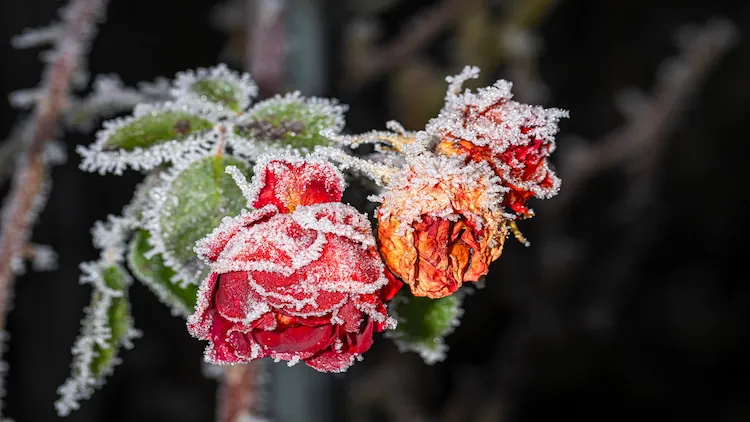
Marigolds are grown as reliable annuals from USDA Zones 4, 5, 6, 7, and 8 right on up through the hotter zones, and no matter where your yard falls on that map, the same pest and disease pressure shows up once summer humidity sets in. The one thing that finally shuts everything down for the season is the first hard frost, once nighttime temperatures drop to 32°F and below, the plants die back on their own and any remaining pests or spores go dormant with them.
A few habits that have made the biggest difference for me:
- Water at the base, not overhead: Wet foliage overnight is basically an invitation for fungal disease. I give each mature marigold about half a gallon of water at the roots, two to three times a week, depending on rainfall.
- Space plants 8 to 12 inches apart: Crowded plants trap humidity, and that humidity is exactly what botrytis blight needs to take hold.
- Refresh mulch and compost each season: A 2-inch layer of mulch cuts down on soil splashback, which is one of the main ways fungal spores reach the lower leaves in the first place. I cover this in more depth in my guide to winter mulch for garden beds if you want the full breakdown.
- Rotate your beds: Don’t plant marigolds, tomatoes, or peppers in the same soil two years running, since they share several of the same fungal diseases.
- Deadhead and prune regularly: Removing spent blooms keeps air moving through the plant and makes early disease symptoms far easier to spot. I go into more detail on timing and technique in my fall pruning guide for backyard beds.
If your marigolds are already struggling and you’re not sure whether it’s a pest, a disease, or something else entirely like a watering issue, I actually walk through the full diagnosis process in a separate guide to why marigolds turn yellow and die, which pairs well with everything here.
A Quick Look: Pest vs. Disease at a Glance
| Problem | What You’ll See | How to Treat Marigold Diseases or Pests |
|---|---|---|
| Spider mites | Fine webbing, speckled leaves | Hose spray, insecticidal soap |
| Aphids | Clusters on new growth, sticky residue | Water spray, ladybugs, soap spray |
| Japanese beetles | Ragged holes in leaves and petals | Hand-pick into soapy water, row covers |
| Botrytis blight | Brown, decaying flowers, gray mold | Prune affected parts, copper fungicide |
| Leaf spot | Gray to black spots on lower leaves | Remove leaves, fungicide, better spacing |
| Aster yellows | Yellowing, stunted, twisted growth | Remove and discard whole plant |
When to Just Pull the Plant
This is the part nobody likes hearing, but it matters. If a plant shows the twisted, bushy, yellow growth typical of aster yellows, or if a viral infection has clearly taken hold, there is no treatment that brings it back.
I know it feels wasteful, especially with plants you started from seed, but leaving an infected marigold in your yard just gives leafhoppers and aphids a launching pad to spread the problem to your zucchini, eggplant, and everything else nearby. Pull it, bag it, and put it out with the trash rather than the compost pile.
Final Thoughts:
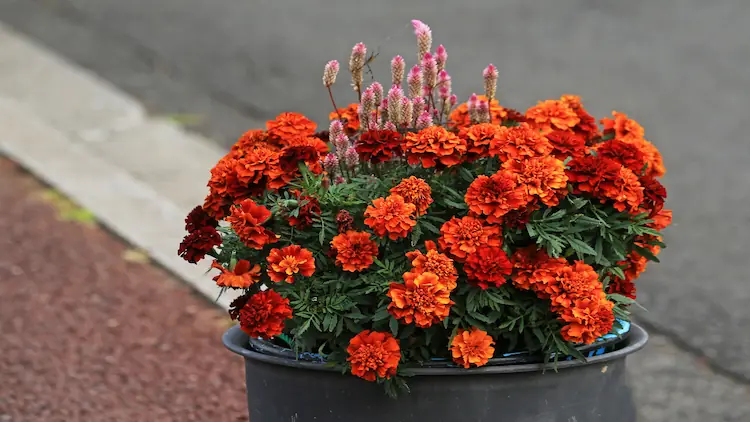
Marigolds earn their reputation as an easy, reliable flower most years, and their bright orange and yellow color makes them a natural centerpiece in any bed or border. But “easy” doesn’t mean “problem-free,” and knowing your way around real marigold pests and diseases treatment is what keeps a bad August from turning into a wasted season. Check the undersides of your leaves regularly, keep your pruners clean, water at the base instead of overhead, and don’t be afraid to pull a plant that’s clearly beyond saving. Do that, and your marigolds should keep doing exactly what they’re known for, season after season.