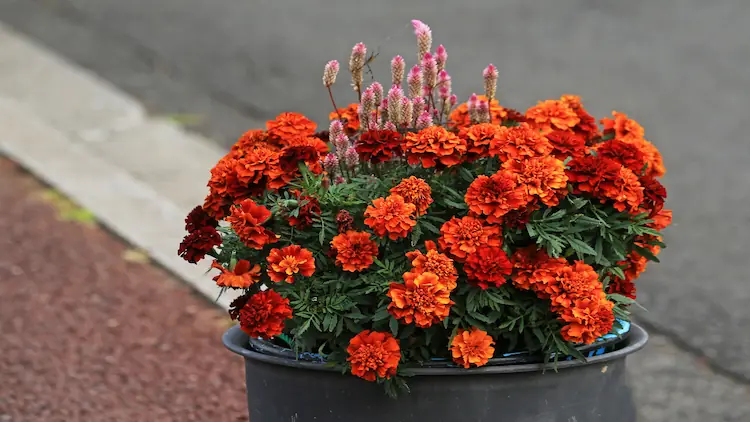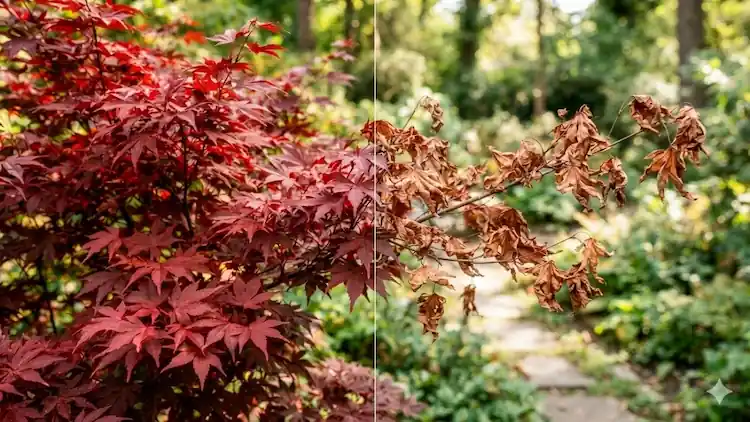
Have you walked out to your yard with your morning coffee, looked down at your marigold bed, and felt that little drop in your stomach when you spot yellow where green used to be? I know that feeling well. If you have found yourself asking why are my marigold leaves turning yellow, you are not dealing with one single problem you are dealing with one of six or seven possible culprits, and the fix depends entirely on which one you have got.
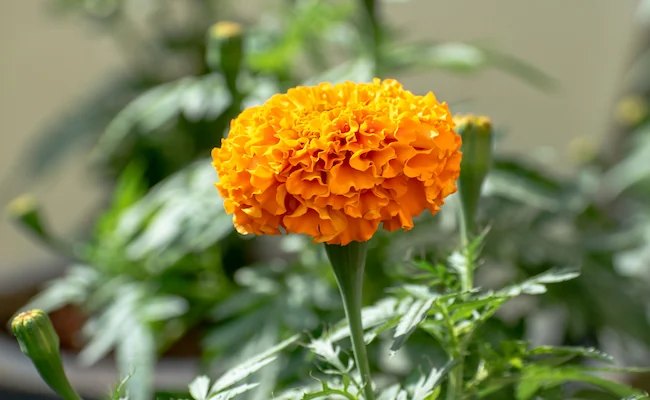
I have grown marigolds in my own backyard for years, both in raised beds and in plain garden soil, and I have made almost every mistake there is to make with them. So let me walk you through this the way I would explain it to a neighbor leaning over the fence.
Overwatering Is the Number One Reason for Marigold Leaves Turning Yellow
In my experience, the single most common cause of marigold leaves turning yellow is too much water, not too little. Marigolds are tough, drought-tolerant annuals that came from dry parts of Mexico and Central America, so they simply do not want soil that stays soggy.
When the roots sit in wet soil, they cannot pull in oxygen properly, and that stress shows up first as yellowing on the lower, older leaves. I check the soil with my finger before I ever pick up a watering can. If the top inch or two feels damp, I skip watering that day. As a rough rule, established marigolds in a sunny bed need about half a gallon to one gallon of water per plant, once or twice a week, depending on rainfall and heat.
Container marigolds dry out faster and may need a little water every day during a hot July stretch. Good drainage matters just as much as the amount a bed that holds water after rain, or a pot with a clogged drainage hole, will keep causing yellow leaves on marigolds no matter how carefully you measure.
If your marigolds sit in heavy clay, work in some compost or coarse sand to loosen it up, and consider raising the bed a few inches so extra water has somewhere to go.
Why Are My Marigold Leaves Turning Yellow From Poor Nutrition?
The second big reason behind marigold leaf yellowing is a nutrient gap, usually nitrogen or iron. Nitrogen deficiency shows up as an even, pale yellowing that starts on the older, lower leaves and works its way up the plant, while iron deficiency tends to show up as yellowing between the veins on the newer growth, with the veins themselves staying green.
Marigolds are not heavy feeders, so this is usually a case of soil that has simply been used up, especially if the same bed has grown flowers or vegetables for several seasons in a row without any compost going back in. A light monthly feeding with a balanced fertilizer, something like a 10-10-10 blend at half the label strength, usually brings the color back within two to three weeks.
I like adding a couple inches of finished compost around the base each Fall as a slow, gentle way to rebuild the soil rather than relying only on bagged fertilizer.
Pests Behind Yellow Leaves on Marigolds
Spider mites and aphids are the two pests I run into most often, and both cause a stippled, dusty-looking yellowing rather than a smooth, even color change. Spider mites thrive in hot, dry weather and leave behind fine webbing on the undersides of leaves, along with tiny yellow or bronze speckles. Aphids cluster on new growth and buds, sucking sap and leaving leaves curled and pale.
A strong blast from the garden hose knocks both pests down considerably, and I follow up with insecticidal soap if the problem keeps coming back. Fungus gnats are another sneaky cause, especially in container marigolds with soil that stays too wet their larvae feed on roots and weaken the whole plant.
I have dealt with this exact problem before, and if you want the full method I use, my guide on how to get rid of gnats in plant soil walks through it step by step. Overwatered marigolds can also slide into full root rot if the soggy soil goes uncorrected for too long, and that guide covers how to catch it early and bring roots back to health.
Leafhoppers deserve special mention because they carry a disease called aster yellows, which brings me to the next section.
Diseases That Cause Marigold Leaf Yellowing
This is the part nobody wants to hear, but it matters. According to the University of Minnesota Extension’s plant diagnostic tool, marigolds can develop pale, yellow, or white leaf discoloration from several fungal and viral sources, not just simple neglect.
Aster yellows, spread by leafhoppers, is incurable infected plants should be pulled and placed in the trash, not the compost pile, so the pathogen does not spread to nearby zinnias, carrots, or lettuce. Verticillium wilt and fungal stem rot are two more culprits, both usually tied to overly wet, poorly drained soil.
| Cause | What You’ll Notice | What To Do |
|---|---|---|
| Overwatering / root rot | Soft, yellow lower leaves, mushy stem base | Let soil dry, improve drainage, cut back watering |
| Nitrogen deficiency | Even, pale yellow starting on old leaves | Light balanced fertilizer, add compost |
| Spider mites | Stippled yellow spots, fine webbing | Hose spray, insecticidal soap |
| Aster yellows | Yellow, stunted, deformed blooms | Remove plant, control leafhoppers, no cure |
| Fungal stem rot | Yellowing plus dark lesions near soil line | Remove affected plant, improve airflow and drainage |
Good garden hygiene really does most of the heavy lifting here. I sterilize my pruners with rubbing alcohol between plants whenever I am cutting away anything that looks diseased, and I never compost material I suspect is infected.
Temperature, Sunlight, and Simple Aging
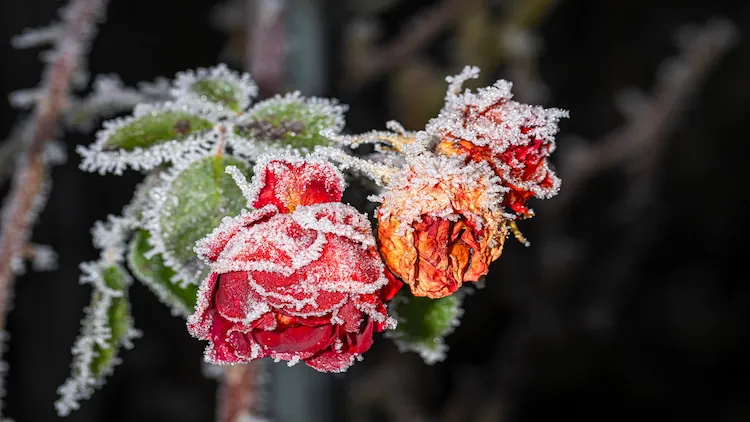
Marigolds want a full six to eight hours of direct sun and warm nights. When nighttime temperatures drop below about 55°F, plants can show pale or purplish yellowing as a stress response, and a sudden frost below 32°F will turn leaf edges yellow, then brown, within a day.
This is exactly why gardeners in cooler USDA Zones 4 and 5 often see yellowing marigolds in early Fall while gardeners in Zones 7 and 8 are still enjoying full color well into October.
The USDA’s official Plant Hardiness Zone Map, developed by the Agricultural Research Service and Oregon State University’s PRISM Climate Group, is the standard reference American gardeners use to understand these regional temperature patterns, and their published research paper on the map’s development is worth a look if you are curious how the zones were built.
If a cold snap is coming and you want to protect your beds instead of losing them early, I cover exactly what works in my article on how to protect plants from frost.
Sometimes, though, yellowing is not a problem at all. Marigolds naturally shed their oldest, lowest leaves as the plant matures and puts energy into new growth and blooms. Check the newest leaves near the top of the plant if those look healthy and green, the yellowing lower down is probably just normal aging, the same way a zucchini or eggplant plant drops its oldest leaves late in the season.
When Do Marigolds Usually Start Turning Yellow?
Timing tells you almost as much as the leaf pattern does. Most gardeners plant marigolds in spring, roughly two weeks after the last expected frost for their USDA zone that lands around mid-April in Zone 7 or 8, and closer to late May in Zone 4 or 5.
If yellowing shows up in the first two to three weeks after transplanting, it is almost always transplant shock or a too-eager watering hand, not disease, since the roots have not settled into the new soil yet.
Mid-summer yellowing, especially during a stretch of 90°F days, usually points to heat and water stress rather than pests or disease. By early Fall, yellowing that starts on the lowest leaves is often just the plant naturally winding down as daylight shortens and nights cool off, though a sudden cold night can speed that process up considerably.
Knowing which stage of the season you are in narrows the list of suspects fast, before you even get down on your knees to check the soil.
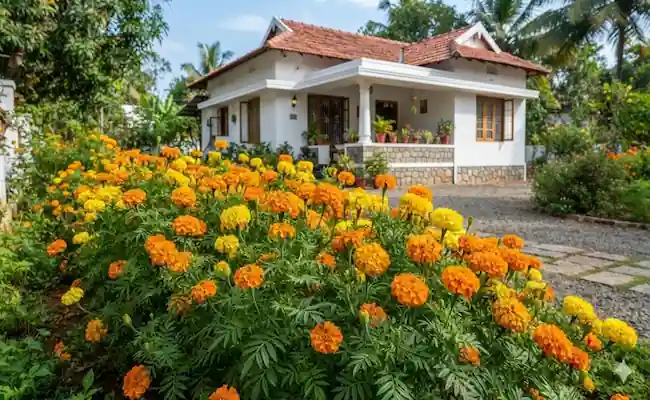
How to Fix Yellow Marigold Leaves, Step by Step
Here is the order I actually work through in my own backyard when I spot a problem:
- Check the soil moisture first with a finger test before assuming it needs water.
- Look at the leaf pattern old leaves only usually means age or nitrogen, new leaves too means a bigger issue.
- Turn leaves over and check for webbing, sticky residue, or tiny bugs.
- Pull back mulch and check for soggy, smelly soil near the roots.
- Feed lightly with a balanced fertilizer if growth looks pale but otherwise healthy.
- Remove and trash any plant showing stunted, deformed, or yellow-green blooms.
- Space new plants 8 to 12 inches apart for better airflow next season.
- Keep a community gardener’s habit of walking your rows every few days so problems get caught early.
Most home gardeners can turn a struggling bed around within two to three weeks once they match the fix to the actual cause instead of guessing, and yellowing marigold leaves almost never mean the whole plant is lost.
For next season, a few small habits go a long way toward preventing a repeat: rotate marigolds to a different corner of the yard every couple of years, water at the soil line instead of overhead to keep leaves dry, and pull spent plants at the end of Fall instead of leaving them to rot in place over winter.
Final Thoughts:
I still remember the first season I lost half a marigold border to root rot because I was watering on a schedule instead of checking the soil. It taught me to slow down and actually look at the plant before reaching for the hose or the fertilizer bag. If you are still wondering why are my marigold leaves turning yellow, start with the soil, then check for pests, then consider the weather, and you will almost always land on the right answer. Marigolds are forgiving, cheerful flowers, and with a little attention to what the leaves are telling you, that backyard color comes right back.