Planning your first family camping trip can feel exciting and a little overwhelming at the same time. That’s exactly how I felt before my own first trip confident I had packed everything, only to realize later how many small things I had missed.
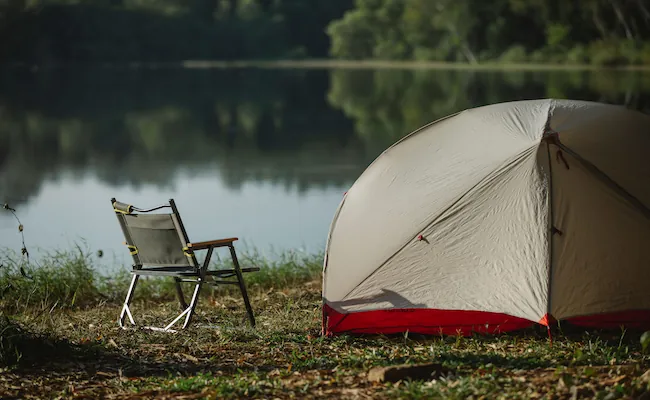
This First Time Family Camping Beginner’s Guide is built from those real mistakes, so you don’t have to repeat them. Whether it’s choosing the right tent, packing smart, planning meals, or keeping the kids comfortable, this guide covers everything a first-time family camper needs to know.
No expensive gear, no complicated planning just simple, practical tips that make your first camping trip smooth, safe, and genuinely enjoyable for the whole family.
First Time Family Camping: Everything You Need to Pack
I will tell you something I learned after many family camping trips. Packing for camping looks easy until you actually start doing it.
The first time I went camping with my family, I was sure I had packed everything. We reached the campsite, unloaded the car, and started setting up the tent. Everything was going well until the sun went down.
That’s when I realized I had forgotten our flashlight and the pillows. We managed the trip, but it could have been much easier. That experience taught me an important lesson from my First Time Family Camping Beginner’s Guide: never rely on memory alone.
That’s why I always tell my friends not to trust their memory. A simple camping checklist can save you from a lot of stress.
If this is your first family camping trip, don’t worry. I will walk you through everything I pack before leaving home. You do not need expensive gear or fancy equipment. You only need the right things, packed in the right way.
Why You Should Never Pack at the Last Minute :
One habit has saved me from forgetting important items. I never pack the night before. A few days before the trip, I put all my camping gear in one room. As I walk past it during the day, I keep remembering small things that I would normally forget.
Maybe it’s extra socks, a phone charger or a lighter for the campfire. Packing slowly gives you time to check everything without feeling rushed. When you are camping with kids, this becomes even more important. Children always need something extra and it’s much easier to add those items when you are not in a hurry.
Start with Your Shelter :
Before thinking about food or clothes, make sure your family has a comfortable place to sleep. Your tent is your home for the next couple of days, so it’s worth giving this part extra attention.
One mistake many beginners make is buying a tent that is just big enough for the number of people going. If four people are camping, I always suggest getting a six person tent. The extra space makes a huge difference. You will have room for bags, shoes and changing clothes without feeling crowded.
Don’t forget to check that your tent has all its stakes and poles before you leave. I once reached a campsite only to discover two tent stakes were missing. It was not the end of the world, but setting up the tent took much longer than it should have.
A Ground Tarp is another item I never leave behind. It keeps the bottom of the tent dry and protects it from rocks, sticks and rough ground. It’s a small investment that can help your tent last for years.
If the weather turns windy, extra guy lines and a small rubber mallet can make setting up much easier. These are not exciting items, but you will be glad you packed them when the weather changes.
Don’t Ignore Your Sleeping Setup :
I think many first-time campers spend too much money on Camping Gadgets and not enough on sleep. After hiking, playing with the kids, and spending the whole day outside, everyone wants one thing a Good Night’s Sleep.
A quality Sleeping bag makes a bigger difference than most people expect. Before buying one, check the temperature rating instead of only looking at the price.
Even during summer, nights in parts of the USA, Canada and the UK can become surprisingly cool. I also recommend using a sleeping pad or an Air mattress instead of sleeping directly on the ground.
The ground may look soft during the day, but after a few hours, every small rock starts to feel much bigger. Here Is a mistake I made years ago. I packed an air mattress but forgot the pump.
It sounded funny later, but that night was not comfortable at all. Since then, I always keep the pump inside the same storage bag as the mattress. Another simple tip is to bring your Pillows from home if you are driving.
Camping pillows are fine, but nothing feels better after a long day outdoors than your own pillow.
I also pack one or two extra blankets on every trip. Sometimes we use them for extra warmth, and other times they become picnic blankets or something the kids wrap around themselves while sitting by the campfire.
Pack Clothes for Comfort, Not Fashion :
Camping is not the place to worry about matching outfits. The goal is to stay comfortable from morning until bedtime. I always tell people to think about the weather changing during the day. It might be warm while you are hiking, but the temperature can drop quickly after sunset.
Because of that, I pack clothes in layers instead of carrying one heavy jacket. A few Comfortable T-shirts, a pair of trousers or shorts, enough underwear and plenty of socks usually cover the basics. On top of that, I always carry a hoodie or fleece because evenings around the campfire can become chilly.
Rain is another thing you should prepare for, even if the weather forecast looks perfect. I have seen sunny mornings turn into rainy afternoons more than once.
A lightweight rain jacket does not take much space and you will be thankful if the weather changes. Shoes matter just as much as clothes. Comfortable walking shoes are great for exploring the campsite, while flip-flops are useful if your campground has public showers.
I also throw an extra pair of socks into my day bag because wet feet can ruin an otherwise fun day.
If you are camping near a lake or beach, don’t forget swimsuits and quick-drying towels. Even if swimming is not part of your plan, kids often find water within minutes of arriving.
The Small Things That Save the Day :
After years of camping, I have learned that it’s usually the smallest items that make the biggest difference. A flashlight may not seem important while you are packing at home, but once it gets dark, you will use it constantly.
I always carry a headlamp too because it leaves both hands free when I’m cooking dinner or setting up something around the campsite. Wet wipes, hand sanitizer, paper towels, trash bags, and a roll of duct tape do not take much space, but they solve dozens of little problems during a trip.
I also keep a pocket knife, some rope, extra batteries and a few zip-lock bags in one small storage box so I always know where they are. These items rarely get much attention, but every experienced camper has a story about the day one of them saved the trip.
A Lesson I Still Remember :
A few years ago, one of my friends joined us for his first family camping trip. He packed expensive chairs, a big cooler, and enough snacks for a week. Everything looked perfect. After dinner, the sun disappeared, and someone asked for a flashlight. Nobody had one.
For the next hour, we cooked, cleaned up, and walked to the washroom using our phone lights. By the time we went to bed, almost every phone battery was nearly empty.
Since that day, I never pack just one flashlight. I always carry a backup. It is a simple habit, but it has saved many camping trips.
Pack Your Camp Kitchen Like You are Cooking at Home :
When people think about camping, they usually picture tents and campfires. Very few people spend enough time planning the kitchen. I learned this lesson during one of my early camping trips. I packed plenty of food but forgot something very simple a spatula.
Cooking breakfast became much harder than it should have been. Since then, I treat my camp kitchen the same way I treat the kitchen at home. Before leaving, imagine yourself making breakfast, lunch and dinner. Walk through each meal in your mind.
If you need a pan, spoon, knife or plate at home, you will probably need it at the campsite too.
A portable camping stove is one of the best things you can carry. Campfires are fun, but weather conditions or campground rules do not always allow open fires. A small stove lets you cook quickly without depending on dry firewood.
I also keep one large cooking pot and one frying pan in my camping box. They are enough for most family meals, and they do not take up much space.
Don’t Forget the Small Kitchen Items :
It’s usually the small things that people forget. Can openers, serving spoons, tongs, cutting boards, sharp knives and a lighter are easy to miss while packing. They do not look important until you actually need them.
I also carry reusable plates, bowls, cups and water bottles for every family member. They are stronger than disposable ones, create less waste and save money over time. Cleaning supplies are just as important.
A small bottle of dish soap, a sponge, a dish towel and a few garbage bags make cleaning much easier after every meal. Nobody enjoys waking up to dirty dishes covered with insects.
Plan Your Food Before You Start Packing :
One mistake I see every summer is families bringing far more food than they can eat. Instead of throwing random snacks into a cooler, I make a simple meal plan before packing.
I already know what we are having for breakfast, lunch, dinner and snacks each day. This saves space and reduces food waste.
For breakfast, we usually keep things simple. Eggs, bread, cereal, fruit, oatmeal and coffee are easy to prepare. Lunch is often sandwiches or wraps because they do not require much cooking. Dinner is where we enjoy the campfire.
Burgers, hot dogs, grilled vegetables, pasta or foil packet meals are always family favorites. Snacks are just as important, especially if you have children. Kids seem to get hungry every hour while camping.
I always pack granola bars, trail mix, crackers, fruit, cookies, popcorn and marshmallows for roasting over the fire.
Keep Your Cooler Organized :
A cooler can either keep your food fresh or become a messy box full of melted ice. I learned a simple trick that works every time.
Before adding ice, I chill the cooler at home for a few hours. Then I place frozen meat and drinks at the bottom because they stay cold the longest. Foods that we will eat first go near the top, so we do not have to keep digging around.
The less often you open the cooler, the longer the ice lasts. If your family has children, you may even want one cooler for drinks and another for food.
That way, kids are not opening the food cooler every few minutes.
Water Is More Important Than You Think :
When people make a camping checklist, they often focus on food first.
I always think about water before anything else. You need clean water for drinking, cooking, washing dishes, brushing your teeth and cleaning your hands. Depending on the campground, water may not always be close to your campsite.
I carry several refillable water bottles along with a large water container that stays at the campsite. This saves us from walking back and forth every time someone gets thirsty.
If you are camping somewhere more remote, bringing a water filter or purification tablets is also a smart idea. Hopefully, you will never need them, but it’s nice to have a backup plan.
A First Aid Kit Is Something You Hope You Never Use :
I have been lucky on most of my camping trips but small accidents happen. Someone gets a scrape while hiking. A child falls while running. Someone gets a blister from new hiking shoes.
That’s why I never leave home without a basic first aid kit.
It does not have to be huge. A few bandages, antiseptic wipes, pain relievers, tweezers, medical tape, scissors and any personal medicines are usually enough for a weekend trip.
If someone in your family has allergies or needs prescription medicine, double-check that those items are packed before you leave home. They should always be easy to reach.
Toiletries That Make Camping More Comfortable :
Camping does not mean you have to feel dirty. A small toiletry bag can make a big difference. I pack the same basic items I use every day.
Toothbrushes, toothpaste, soap, shampoo, deodorant, sunscreen, tissues, toilet paper and a quick-drying towel are always on my list.
Wet wipes are one of my favorite camping items because they help clean hands, faces, and even muddy shoes when water is not nearby. Bug spray is another item I never skip. One evening without it is usually enough to remind you why it’s important.
Packing for Kids Takes a Little Extra Planning :
Camping with children is one of my favorite experiences because they enjoy the outdoors more than adults.The only challenge is that kids rarely sit still.
I always pack a few extra clothes because children somehow find every puddle, every muddy trail and every stream within minutes of arriving.
A favorite blanket, stuffed toy or bedtime book can also help younger children feel comfortable sleeping in a new place.
These familiar items make bedtime much easier. For entertainment, I avoid bringing too many electronic devices. Instead, I pack a football, frisbee, cards, coloring books, and a few simple board games.
It’s amazing how quickly children forget about screens once they start exploring nature.
Camping With a Baby Needs Extra Preparation :
If you are taking a baby on your first camping trip, do not panic. It simply means planning a little more carefully.
Bring enough diapers, baby wipes, bottles, formula, baby food, extra clothes and warm blankets for the entire trip. Weather can change quickly, so having extra layers is always a good idea.
I also recommend bringing a portable playpen or a clean blanket where your baby can safely sit and play while everyone else is busy setting up camp or cooking.
End Every Day Around the Campfire :
For me, the best part of family camping starts after dinner. Everyone gathers around the fire, tells stories, roasts marshmallows, and enjoys the quiet evening.Before your trip, make sure your campground allows campfires. Some parks have seasonal fire restrictions.
If campfires are allowed, bring fire starters, matches or a lighter, roasting sticks, and a small fire poker if you have one
Always keep a bucket of water nearby before starting a fire. It is a simple safety habit that every camper should follow.
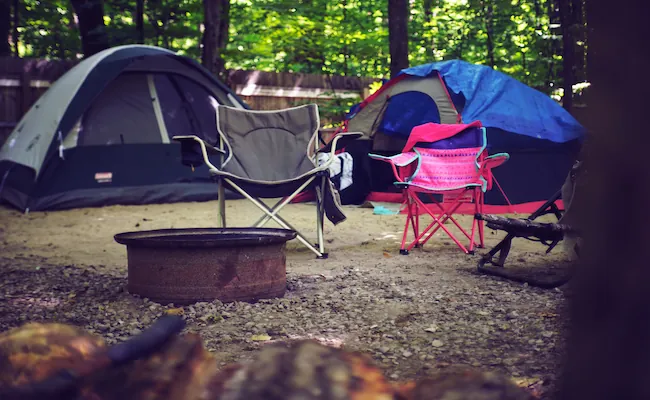
My Final Family Camping Checklist :
Before I leave home, I always spend five minutes checking everything one last time. This simple habit has saved me from many last-minute problems.
Make sure you have packed your tent, sleeping bags, pillows, air mattress or sleeping pad, camping stove, cookware, food, cooler, water bottles, flashlights, extra batteries, first aid kit, toiletries, clothes, rain gear, bug spray, sunscreen, camping chairs, phone chargers, power bank and important medicines.
You do not need the most expensive camping gear. You just need to make sure the basics are covered.
Common Mistakes First-Time Campers Make :
I have seen these mistakes many times and have made a few of them myself. The biggest mistake is packing too much. Many beginners fill the car with things they never use. Stick to the essentials and leave extra items at home.
Another common mistake is not checking the weather before leaving. Even if the forecast looks sunny, always pack one warm layer and a rain jacket. Weather can change quickly.
People also forget to test their equipment. A tent should be opened once at home to make sure all the poles and stakes are there. Flashlights should have fresh batteries and air mattresses should be checked for leaks.
Finally, do not rely only on your phone for light or navigation. Phone batteries do not last forever, especially when you are taking photos all day.
A Few Tips That Always Help Me :
After years of camping, I have picked up a few habits that make every trip smoother. I always pack similar items together in separate storage boxes.
One box is for cooking gear, another is for lights and tools and another is for toiletries. It saves a lot of time when setting up camp. I also keep a small bag inside the car with snacks, tissues, water and a phone charger. It is easy to reach during the drive without unpacking everything.
Before going to bed, I spend a couple of minutes cleaning the campsite and putting food away. It keeps the campsite tidy and helps keep animals away during the night.
Final Thoughts:
Your first family camping trip does not have to be perfect to be memorable. Something small will probably go wrong and that’s completely normal. Years later, those little moments often become the stories everyone laughs about.The goal is not to pack everything you own. It is to pack the things that help your family stay comfortable, safe and happy.
If you use this checklist before leaving home, you will avoid most of the common mistakes that first-time campers make. If you already enjoy home gardening, you know that good preparation leads to better results.
The same is true for camping. Then you can spend less time worrying about what you forgot and more time enjoying the fresh air, the campfire, and the memories you are creating together. Happy camping I hope your first family adventure is the first of many.