Every October, I get the same question from neighbors in my own backyard and from a few readers tending allotments across the UK: is it too late to tidy the garden, or did I already miss my window?
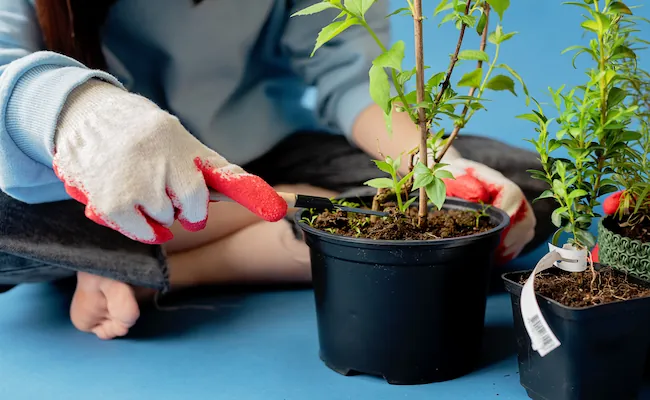
If you’ve stood there in Fall (or Autumn, depending on which side of the pond you’re gardening on) holding a pair of pruners and genuinely unsure what to do, you’re not alone. This guide walks through perennials to cut back before winter, which ones are better left standing, and a few things about roses, grasses, and young plants that most gardening articles skip entirely.
Why a Winter-Ready Perennial Garden Matters More Than You Think
I learned this the hard way with my own peonies a few years back. I left the foliage standing through winter thinking I was helping the birds, and by spring the whole clump had botrytis blight. In my Zone 5/6 backyard (which lines up with roughly an RHS H5 rating for UK readers), that one mistake cost me almost a full season of blooms. Building a winter-ready perennial garden isn’t about tidiness alone. It stops fungal spores from overwintering in old foliage, keeps slugs and borers from setting up house in dead leaves, and lets the soil breathe before the ground freezes solid.
A few things I remind myself every fall:
- A winter-ready perennial garden starts with knowing which plants to touch and which to leave completely alone.
- Waiting for a real hard frost matters more than the date on the calendar.
- Clean tools prevent more disease than any spray ever will.
Which Perennials to Prune This Fall
Once frost blackens the foliage, these are the ones I prune back hard every single year, without exception. They’re prone to disease or pest problems, so leaving them standing does more harm than good.
| Plant | Cut Height | Why |
|---|---|---|
| Peony | 1–2 inches | Stops botrytis and powdery mildew spores overwintering |
| Garden Phlox | 1–2 inches | Prevents powdery mildew reinfecting spring growth |
| Bee Balm | 2–3 inches | Same mildew issue, plus a tidier spring flush |
| Daylily | 3–4 inches | Removes slug habitat in the mushy foliage |
| Hosta | Ground level | Clears slug eggs before they overwinter |
| Bearded Iris | 4–6 inches, fan-shaped | Cuts down iris borer eggs laid on the leaves |
| Perennial Salvia | 4–6 inches | Keeps winter moisture from rotting the crown |
Wait until after a hard frost, once temperatures drop toward 32°F (0°C), before you touch any of these. Cutting too early can trigger new growth that just dies in the next cold snap.
A few habits I stick to every fall:
- Dip pruners in rubbing alcohol between plants so disease doesn’t travel down the row.
- Bag diseased foliage for the trash instead of the compost pile spores rarely die in a backyard heap.
- Keep a running list of what needs pruning taped inside my potting shed so I’m not guessing every October.
The Perennials to Leave Standing for Winter
Not everything needs a haircut. Some of the perennials to leave standing for winter actually need their old growth for insulation, food for wildlife, or next year’s flower buds.
- Ornamental grasses: the classic perennials to leave standing for winter, though the type matters. Warm-season grasses like switchgrass and miscanthus go fully dormant, so their dried blades insulate the crown all winter. Cool-season grasses often stay part-green through a mild winter and only need a light tidy, not a hard cutback.
- Coneflower and black-eyed Susan: their seed heads feed finches all winter, and honestly, they look better against snow than an empty bed does.
- Sedum ‘Autumn Joy’: the dried flower heads hold their shape beautifully through frost.
- Hydrangeas that bloom on old wood: cut these back in fall and you’re removing next year’s flowers along with the dead stuff.
Roses, Climbers, and First-Year Perennials Need a Gentler Plan
Roses rarely make these lists, but they deserve a mention. In cold zones, I don’t hard-prune roses before winter I just remove dead or diseased canes and tie down the long ones so wind doesn’t rock the roots loose. Clematis is trickier still, since pruning group matters more than the calendar; cut the wrong group back in fall and you lose next spring’s flowers.
First-year perennials get different treatment from me too. A plant that went into the ground this spring hasn’t built the root reserves an established clump has, so instead of cutting it back hard, I mulch generously around the crown and let the top growth die back naturally.
I do something similar with tender potted perennials I bring indoors for winter, the way I’d pick indoor plants for a low-light apartment corner gentleness over aggressive pruning in that first cold season. (I’ve written before about picking the right indoor plants for apartment corners with barely any light.)
Perennial Vegetables and Herbs Count Too
Most articles only talk about flowers, but a lot of backyards (and allotments) have perennial edibles too. Rhubarb and asparagus foliage should come down once it yellows and collapses, while chives just need a light tidy since they’ll often stay semi-green through a mild winter.
This is usually the same week I’m clearing spent zucchini and eggplant vines out of the vegetable bed too courgette and aubergine plants, if you’re gardening on a UK allotment since sprawling summer crops leave behind the messiest tangle of stems.
Mistakes I’ve Made and the Tools That Actually Help
I’ve made nearly every mistake on this list at some point in my own backyard:
- Cutting back too early, before a real hard frost, and watching new growth freeze off a week later.
- Using dull shears that tore stems instead of cutting clean, which just invited disease in through the wound.
- Composting diseased foliage because I was in a hurry the spores survived and came right back the next spring.
- Ignoring my own USDA zone and following advice written for a much warmer garden.
For tools, I keep it simple: bypass pruners for anything under half an inch thick, loppers for woody rose canes, and hedge shears just for grasses. Sharpen and oil everything before it goes back in the shed. I’ve also caught myself troubleshooting a plant the wrong way before checking the basics — the same routine I use when leaves start turning yellow on a houseplant works outdoors too: check the base, check the soil, then decide what actually needs cutting. (I go through this exact diagnosis process in my snake plant yellowing guide, if you want the full breakdown.)
Building a Simple Fall Perennial Cleanup Routine
I don’t do this all in one weekend anymore. A fall perennial cleanup routine spread over a few weeks is far less overwhelming, and it matches how plants actually go dormant.
- 3 weeks before first frost: clear spent annuals and start eyeing which perennials look done for the season.
- 1 week before or right after first frost: cut back the disease-prone plants from the table above.
- After the ground cools but before it freezes: add a light mulch layer, 2 to 3 inches, around crowns.
- Through winter: I check monthly for wind damage or heaving, the same fall perennial cleanup routine I’ve followed for years now.
Knowing When to Prune Perennials in Each Zone
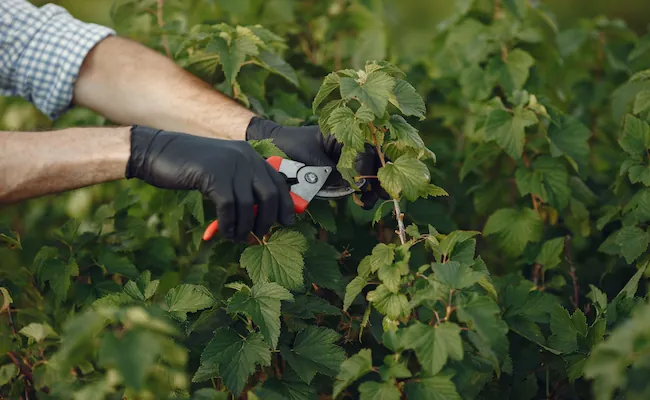
Timing is honestly the part people get wrong most, and knowing when to prune perennials in each zone saves a lot of guesswork.
| Zone / RHS Rating | Typical First Frost | My Approach |
|---|---|---|
| USDA Zone 4 / RHS H7 | Early-to-mid September | Cut disease-prone plants right after frost, mulch everything |
| USDA Zone 5 / RHS H6 | Late September to early October | My own routine — wait for a hard frost, then cut |
| USDA Zone 6 / RHS H5 | Mid-to-late October | Slightly more flexible window, still wait for frost |
| USDA Zone 7 / RHS H4 | November, sometimes later | Many perennials barely need cutting back at all |
| USDA Zone 8 | Rarely freezes hard | Focus on tidiness, not disease prevention |
Write down when to prune perennials for your specific zone somewhere you’ll actually see it again I use a sticky note inside my shed door, and it’s saved me more than once.
Perennials to Cut Back Before Winter
If I had to boil everything above into one habit: wait for a real hard frost, prune the disease-prone plants hard, leave the grasses and seed heads standing for wildlife, and go easy on roses and anything planted this year. That covers most of the decision-making, no matter which USDA zone or RHS rating you’re gardening in.
Final Thoughts:
Fall cleanup isn’t glamorous, but it’s the difference between a backyard that bounces back strong in spring and one that starts the season already fighting disease. Once you know which perennials to cut back before winter, and which ones just need to be left alone, the whole job stops feeling complicated. Watch the frost, not the calendar, keep your tools clean, and give yourself grace when a plant or two doesn’t make it that happens to every gardener, every single year.