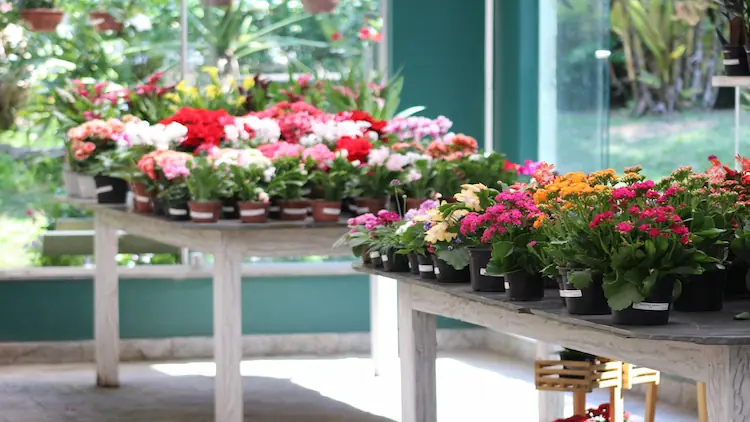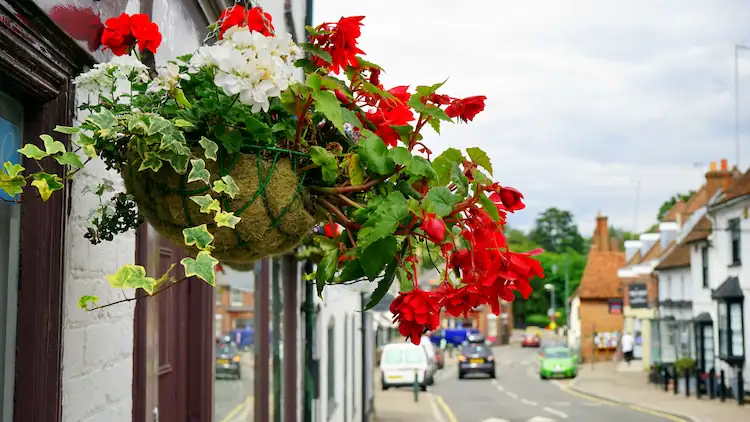
If you have ever walked into a plant nursery, picked up something that looked beautiful, brought it home, and watched it slowly turn yellow and die within a month you are not alone. In my experience, most of us don’t fail at growing indoor plants because we don’t care enough. We fail because we pick the wrong plant for the light our home actually gets.
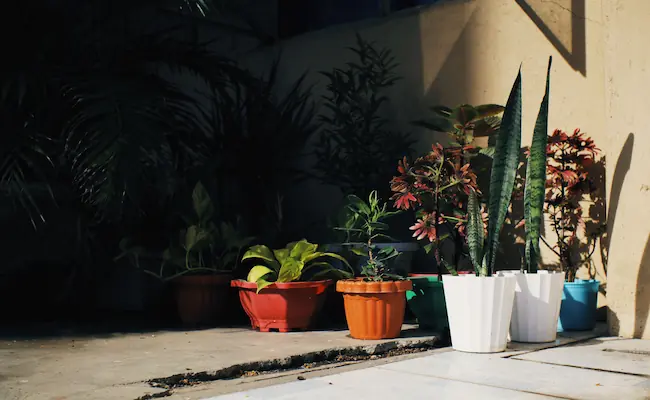
I have lived in apartments with barely any sunlight, and I have also lived in a place with a huge south-facing window that burned every leaf I put near it. Both situations taught me the same thing: once you understand your space and choose the right indoor plants for it, gardening indoors stops feeling like a chore and starts feeling like something you actually look forward to every morning.
This guide covers the 20 best indoor plants for every home, with a special focus on low light indoor plants, since that’s the problem most renters and apartment dwellers deal with. I have also added a few things I noticed missing from most articles on this topic a proper comparison table, pet safety notes, budget-friendly picks, common mistakes, and answers to the questions people actually search for.
What Does “Low Light” Really Mean for an Apartment?
Before jumping into the list, let’s clear up something that confuses a lot of people, including me when I started out. “Low light” doesn’t mean total darkness. It means a spot that gets some daylight through a window, but not direct, harsh sun for hours.
North-Facing vs East-Facing vs Interior Rooms :
A north-facing window (in the northern hemisphere) usually gives soft, indirect light all day this is ideal for most low light indoor plants. East-facing windows get gentle morning sun, which most plants love. Interior rooms with no windows at all, or rooms lit only by a small window far from where you want to place a plant, are the real “low light” challenge.
A Simple Way to Test Your Apartment’s Light :
Here’s a trick I personally use: stand where you want to place the plant, around midday, and hold your hand up. If you see a sharp, clear shadow, that’s bright light. A soft, blurry shadow means medium light. Barely any shadow at all means low light. It sounds too simple to work, but it genuinely does.
Low Light Doesn’t Mean No Light :
One thing I always tell people even the toughest low light indoor plants still need some ambient daylight to survive long term. If your room has zero windows, you will need a grow light, which we’ll talk about further down.
Quick Comparison Table: 20 Best Indoor Plants at a Glance
| Plant Name | Light Need | Watering | Pet Safe? | Difficulty | Rough Price |
|---|---|---|---|---|---|
| Snake Plant | Very Low to Bright | Every 2-3 weeks | No | Beginner | Low |
| ZZ Plant | Very Low to Bright | Every 2-3 weeks | No | Beginner | Low |
| Pothos | Low to Bright | Weekly | No | Beginner | Low |
| Peace Lily | Low to Medium | Weekly | No | Beginner | Medium |
| Chinese Evergreen | Low to Medium | Weekly | No | Beginner | Medium |
| Cast Iron Plant | Very Low to Medium | Every 10 days | Yes | Beginner | Medium |
| Philodendron | Low to Medium | Weekly | No | Beginner | Low |
| Spider Plant | Low to Bright | Weekly | Yes | Beginner | Low |
| Parlor Palm | Low to Medium | Weekly | Yes | Beginner | Medium |
| Prayer Plant | Low to Medium | Twice a week | Yes | Intermediate | Medium |
| Lucky Bamboo | Low to Medium | Weekly (water change) | Yes | Beginner | Low |
| Rubber Plant | Medium to Bright | Weekly | No | Beginner | Medium |
| English Ivy | Low to Medium | Weekly | No | Intermediate | Low |
| Dracaena | Low to Medium | Every 10 days | No | Beginner | Medium |
| Arrowhead Vine | Low to Medium | Weekly | No | Beginner | Low |
| Boston Fern | Medium | Frequent | Yes | Intermediate | Low |
| Calathea | Low to Medium | Twice a week | Yes | Intermediate | Medium |
| Money Plant (Golden Pothos) | Low to Bright | Weekly | No | Beginner | Low |
| Peperomia | Low to Medium | Every 10 days | Yes | Beginner | Low |
| Aloe Vera | Bright, tolerates medium | Every 2 weeks | No | Beginner | Low |
The 20 Best Indoor Plants for Apartment Living
1. Snake Plant
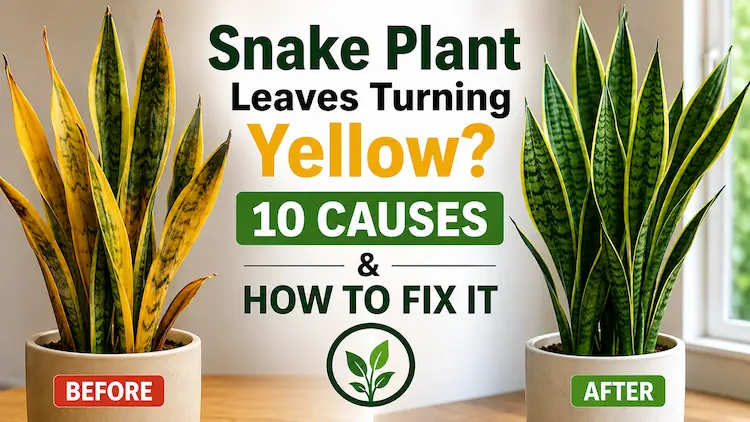
I always recommend the snake plant first, and honestly, it’s not because it’s trendy — it’s because it forgives almost every mistake a beginner makes. Its tall, upright leaves add a nice architectural touch to any corner, and it genuinely does not mind being ignored for weeks.
- Light and Water: It survives in very low light and also does fine in bright, indirect spots. Let the soil dry out completely between waterings — overwatering is the only real way to kill this plant.
- Why It Works in an Apartment : It doesn’t take up floor space if you get an upright variety, and it works beautifully in narrow hallways or bathroom corners with no window.
- Pet Note : Mildly toxic if chewed, so keep it away from curious pets.
2. ZZ Plant
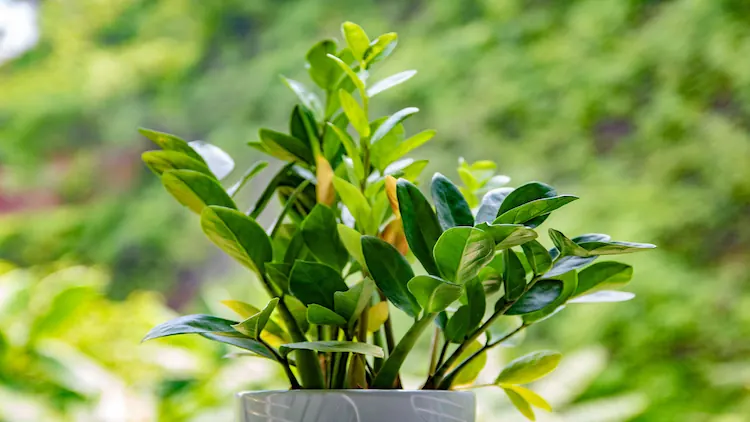
If I had to pick one plant for someone who travels a lot or simply forgets to water, it would be the ZZ plant. Its glossy, waxy leaves store water, which means it can go weeks without attention.
- Light and Water : Tolerates very low light beautifully. Water only when the soil is bone dry.
- Apartment Tip : Perfect for office corners or apartment entryways that barely get daylight.
3. Pothos
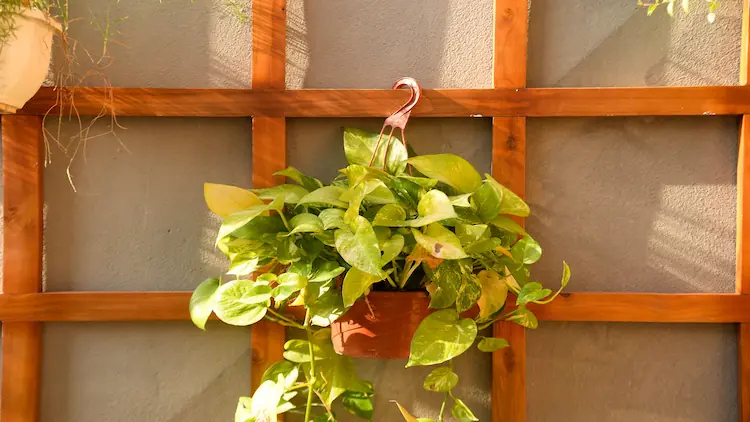
Pothos, often called money plant in many households, is probably the most forgiving trailing plant out there. From my side, this is the one plant I recommend to every single first-time plant parent.
- Light and Water : Handles low to bright indirect light. Water when the top inch of soil feels dry.
- Styling Idea : Let it trail from a high shelf or hang it near a low-light window — it looks lush without needing much care.
4. Peace Lily
The peace lily is one of the few low light indoor plants that actually flowers indoors, which makes it a favorite for people who want a bit of drama without a high-maintenance routine.
- Light and Water : Thrives in low to medium indirect light. Keep the soil lightly moist — it will droop dramatically when thirsty, which is honestly a helpful reminder to water it.
- Pet Note : Mildly toxic to pets and small children if ingested.
5. Chinese Evergreen (Aglaonema)
This one has beautiful patterned leaves in shades of silver, pink, or deep green, and in my experience it’s one of the most underrated low light indoor plants for adding color without needing a flower.
- Light and Water : Tolerates low to moderate light, even fluorescent office lighting. Keep soil consistently moist but never soggy.
6. Cast Iron Plant
True to its name, this plant tolerates neglect, poor light, and irregular watering better than almost anything else on this list.
- Light and Water : Handles deep shade comfortably. Let it dry out between waterings.
- Pet Note : One of the few plants here that is pet-safe, which makes it a great pick if you have cats or dogs at home.
7. Philodendron (Heartleaf)
Heart-shaped leaves, easy trailing growth, and a real tolerance for low light this plant checks every box for apartment living.
- Light and Water : Low to medium indirect light works well. Water when the top inch of soil dries out.
8. Spider Plant
I have a soft spot for the spider plant because it was one of the first plants I successfully kept alive. It produces little “baby” plantlets that you can snip off and give to friends.
- Light and Water : Adapts well to low to bright indirect light. Water when soil feels dry.
- Pet Note : Completely pet-safe, and one of the best choices for homes with cats.
9. Parlor Palm
If you want a bit of a tropical look without needing bright light, the parlor palm delivers with its feathery green fronds.
- Light and Water : Low to medium indirect light. Keep soil lightly moist.
- Pet Note : Non-toxic, safe around pets and children.
10. Prayer Plant
The leaves on this plant actually fold up at night like hands in prayer, which honestly never stops feeling a little magical to watch.
- Light and Water : Low to medium indirect light, and it needs slightly higher humidity than most plants on this list.
- Difficulty Note : I would call this an intermediate plant rather than a beginner one, since it’s a little fussier about consistent moisture.
11. Lucky Bamboo
Grown in water or soil, lucky bamboo is a favorite for tight apartment spaces since it can sit in a small vase on a desk or shelf.
- Light and Water : Low to medium indirect light. If growing in water, change it weekly.
12. Rubber Plant
Large, glossy leaves make the rubber plant a real statement piece, and it grows tall enough to fill an empty apartment corner nicely.
- Light and Water : Prefers medium to bright indirect light but tolerates lower light reasonably well. Water when the top couple of inches of soil are dry.
13. English Ivy
A classic trailing or climbing plant that works well in hanging baskets, adding a cozy, cottage-like feel to any room.
- Light and Water : Low to medium indirect light. Keep soil evenly moist.
- Difficulty Note : Slightly more demanding than pothos — it prefers consistent humidity.
14. Dracaena
There are several varieties of dracaena, and most of them handle low light well while growing tall enough to act like a small indoor tree.
- Light and Water : Low to medium indirect light. Water when the top inch of soil is dry.
15. Arrowhead Vine
The arrow-shaped leaves on this plant start solid green and often develop pretty patterns as the plant matures.
- Light and Water : Low to medium indirect light. Keep soil consistently moist.
16. Boston Fern
If you want that lush, full look, the Boston fern delivers, though I’ll be honest — it needs more attention than the other low light indoor plants on this list.
- Light and Water : Medium indirect light. Needs frequent watering and higher humidity, so a bathroom with a window can work well.
- Pet Note : Completely pet-safe.
17. Calathea
Known for its striking patterned leaves, calathea is one of those plants people buy for looks and then fall in love with the personality of, since the leaves move throughout the day.
- Light and Water : Low to medium indirect light. Keep soil moist and humidity on the higher side.
- Pet Note : Non-toxic and safe for homes with pets.
18. Money Plant (Golden Pothos)
Widely believed to bring good luck into a home, the golden pothos variety is essentially a slightly different-colored cousin of regular pothos, and just as easy to grow.
- Light and Water : Low to bright indirect light. Water when topsoil feels dry.
19. Peperomia
Compact and slow-growing, peperomia is perfect for small apartment shelves or desks where space is tight.
- Light and Water : Low to medium indirect light. Let soil dry out between waterings.
- Pet Note : Non-toxic, safe around pets.
20. Aloe Vera
I’ve included aloe vera here because while it technically prefers bright light, it tolerates medium light reasonably well, and it doubles up as a handy plant to have around for minor burns and skin care.
- Light and Water : Bright indirect light is ideal, but it manages in medium light too. Water deeply, then let it dry out completely.
Best Low Light Indoor Plants for Pet Owners :
If you share your apartment with a cat or a dog, safety matters more than looks. From this list, the spider plant, cast iron plant, parlor palm, calathea, Boston fern, and peperomia are all non-toxic choices. Plants like the snake plant, ZZ plant, pothos, peace lily, philodendron, rubber plant, and dracaena are mildly to moderately toxic if chewed, so keep them on high shelves or hanging planters if pets are curious chewers in your home.
Budget-Friendly Picks for a Tight Apartment Budget :
If you’re just starting out and don’t want to spend much, pothos, snake plant, ZZ plant, spider plant, lucky bamboo, arrowhead vine, and peperomia are usually the most affordable options at most nurseries. In my experience, these are also the plants that are easiest to propagate from cuttings, so one plant can eventually turn into three or four without spending anything extra.
Common Mistakes That Kill Low Light Indoor Plants :
- Overwatering Is the Real Killer : This is, without a doubt, the number one reason low light indoor plants die. Plants in lower light use water more slowly, so if you keep watering on the same schedule as a plant sitting in a bright window, the roots will rot. My personal rule is to check the soil with a finger before watering, not just follow a fixed calendar.
- Using a Pot With No Drainage : A pretty pot with no drainage hole traps water at the bottom, and roots sitting in stagnant water will rot no matter how careful you are otherwise.
- Letting Dust Build Up on Leaves : This one gets overlooked constantly. Dust on leaves blocks whatever little light the plant is already getting. Wiping leaves gently with a damp cloth once a month makes a noticeable difference.
- Placing the Plant Too Far From Any Light Source : Even the toughest low light indoor plants need to be within a reasonable distance of a window. Tucking a plant into a completely dark corner across the room from any light source is setting it up to fail slowly.
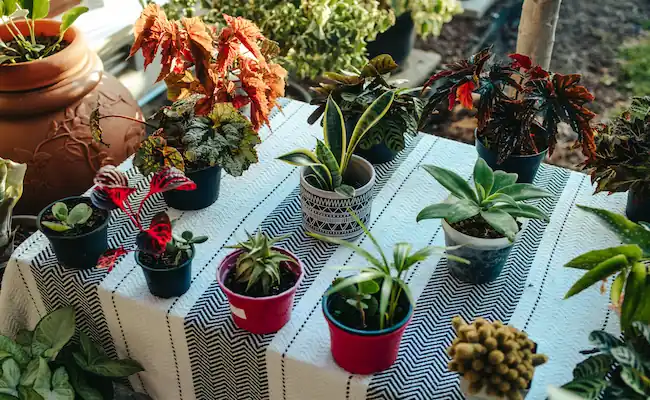
What If Your Apartment Has Almost No Natural Light?
If your rental has no usable window at all, a small grow light can genuinely save the day. You don’t need anything expensive an affordable LED grow bulb that fits into a regular lamp fixture, run for around 8 to 10 hours a day, is enough to keep most low light indoor plants healthy long term.
Styling Low Light Indoor Plants in a Small Apartment :
- Use Vertical and Hanging Space : When floor space is limited, hanging planters or wall-mounted shelves let you fit in more greenery without cluttering walkways.
- Renter-Friendly Display Ideas : Command hooks work well for hanging plants without damaging walls, and tension rods can hold small shelves in awkward corners both are easy to remove when you move out.
- Group Plants for a Fuller Look : Placing two or three plants of different heights together, rather than spreading them out, tends to look more intentional and cozy in a small apartment.
Final Thoughts :
Choosing the right indoor plants comes down to being honest about the light your apartment actually gets, rather than picking whatever looks nice at the store. Start with one or two forgiving low light indoor plants from this list, get comfortable with their watering rhythm, and build your little indoor garden from there. In my opinion, that slow, steady approach is what actually keeps plants alive and keeps you enjoying the process instead of dreading it.