
If you keep houseplants long enough, root rot in houseplants is one problem that is going to find you eventually. It found me with a peace lily I was convinced I was taking great care of. I watered it every Sunday like clockwork, told everyone how well it was doing, and then one day it just folded over like someone had let the air out of it. I assumed it needed more water. I gave it more water. That was, in hindsight, the worst possible thing I could have done.
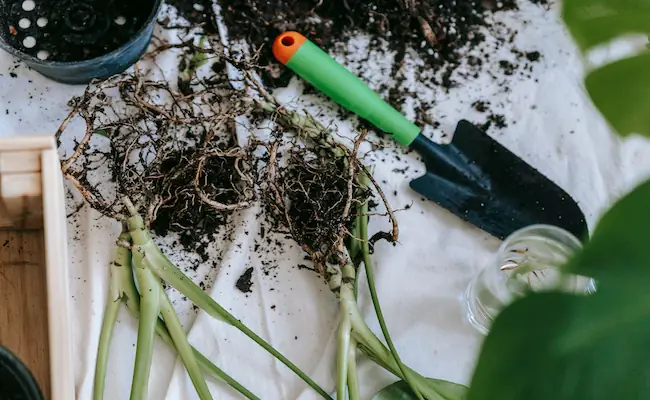
What Root Rot Actually Is: It Is Not Just “Too Much Water”
Here is the part most people get half right. Root rot is not caused by water alone. It is caused by a lack of oxygen, and water is just the thing that pushes the oxygen out.
Roots breathe. They need tiny air pockets in the soil to survive, the same way your lungs need air in a room. When soil stays wet for days at a time, water fills up every one of those air pockets, and the roots start to suffocate. Once they are weak and starved of oxygen, fungi and water molds that are already living in the soil – names like Pythium, Phytophthora, Fusarium, and Rhizoctonia come up a lot – move in and finish the job. That is the actual disease part of root rot.
So watering too often is the trigger, but the rot itself is a two-part problem: oxygen starvation first, infection second. This is why simply “watering less” after the damage is done does not undo it. The roots that have already died are gone. You have to physically remove them.
The First Signs You Will Notice Above the Soil
Root rot is sneaky because everything happens underground first. By the time you see trouble on top, the roots have usually been struggling for a week or two already. Here is what tends to show up first:
- Lower leaves turning soft and yellow, even though the soil is clearly damp
- Wilting that does not get better after you water – if anything, it gets worse
- The stem near the soil line feeling soft or squishy when you press it
- A sour, musty, almost swampy smell coming from the pot
- White or grey fuzzy growth sitting on top of the soil
- Growth that has completely stalled, even though light and food are fine
- A slow, unexplained decline over several weeks that nothing seems to fix
None of these alone confirms root rot – a plant can wilt for a dozen reasons. It is when two or three of these show up together, especially the smell and the wilting-despite-wet-soil combination, that I start unpotting.
What the Roots Actually Look Like: Healthy vs Rotting
This is the one step people skip out of nerves, and it is the only way to know for sure what you are dealing with. Take the plant out of its pot and look.
| Aspect | Healthy Roots | Rotting Roots |
|---|---|---|
| Color | White, cream, or light tan (some plants are naturally darker) | Black or dark brown |
| Texture | Firm, slightly springy when squeezed | Mushy, slimy, falls apart in your fingers |
| Smell | Earthy, faint, like fresh soil | Sour, rotten-egg, or swampy |
| Behavior when tugged | Holds together | Outer layer slides off like a wet noodle, leaving a thin thread inside |
A trick that has saved me a lot of guesswork: pinch a root gently between two fingers. If the outer skin slips off and leaves a stringy core behind, that root is dead, no matter what color it looked like a second ago. If it holds its shape, it is alive, even if it looks a bit dull or discolored from mineral buildup in the water.
What Causes Root Rot in the First Place
Almost every case traces back to a small handful of habits, often stacked on top of each other:
- Watering on a schedule instead of by feel. A fixed “every Sunday” routine does not account for weather, season, or how fast that particular plant is actually drying out.
- Pots without drainage holes. Water has nowhere to go, so it just sits at the bottom.
- Heavy, peat-dense soil. Regular potting mix without added perlite, bark, or pumice holds far more water than most houseplants want.
- A pot that is too big for the plant. Extra soil volume holds moisture the roots cannot reach or use in time, so the bottom stays wet long after the top looks dry.
- Standing water left in the saucer. Even ten minutes of a full saucer is enough to drown the lowest roots repeatedly.
- Cold weather with the same watering habits. Plants drink much less in winter, so a summer watering pace becomes overwatering almost overnight.
- Compacted, root-bound soil. Water runs down the sides and skips the dense root ball in the middle, so you end up with a dry core and a wet edge at the same time.
- Low light slowing everything down. A plant in dim light uses less water, so soil that “should” have dried out in three days stays wet for six.
If you can honestly tick off two or three of these for a struggling plant, root rot is the most likely explanation.
How to Fix Root Rot, Step by Step
This is the part everyone actually needs, so I am keeping it as a straightforward list you can follow while standing over your sink:
- Take the plant out of its pot. Squeeze the sides of a plastic pot to loosen it, or run a butter knife around the inside edge of a ceramic one.
- Shake and loosen the old soil off the roots. Do not tear at it. Let gravity and gentle massaging do the work.
- Rinse the roots under cool running water. This is the moment you finally see the true color and condition of every root.
- Look over every root carefully. Anything black, brown, mushy, or hollow-feeling has to come off.
- Cut the damaged roots away with clean, sharp scissors. Wipe the blades with rubbing alcohol between cuts so you are not spreading the problem from a bad root to a good one. Trim back to firm, pale tissue – do not leave even a small rotten section behind.
- Optional but genuinely useful: dip the remaining roots in a mild 3% hydrogen peroxide solution for a minute or two. It helps knock back leftover fungal spores, though it will not undo damage that has already happened.
- Let the trimmed roots air-dry for one to two hours in a shaded spot. This lets the cut ends seal a little before they go back into damp soil.
- Repot into fresh, well-draining soil, in a clean pot that is a size smaller than the old one. A mix of regular potting soil with perlite or bark worked in gives the roots room to breathe.
- Water lightly, or not at all, for the first five to seven days. A reduced root system cannot absorb much, and extra water right now just restarts the whole problem.
- Skip fertilizer for four to six weeks. Feeding a stressed, recovering root system does more harm than good at this stage.
I know step five feels aggressive the first time you do it – it always feels wrong to cut away that much of a plant’s own root system. But leaving even a small rotten pocket behind lets the fungus creep right back into the healthy tissue you just saved.
If Every Root Is Gone, Do Not Panic – Propagate Instead
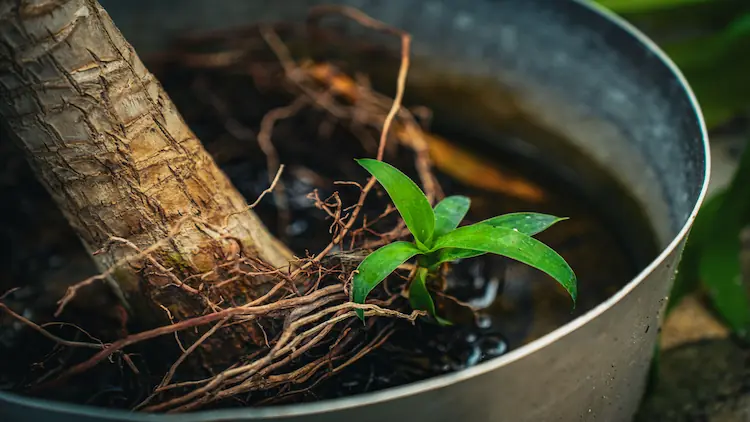
Sometimes you unpot a plant and there is simply nothing left to save. Every root is mush. In that situation, trying to nurse the existing plant back is usually wasted effort. What actually works, in my experience, is cutting a healthy section of stem with two or three leaves still attached, removing the lowest leaf or two, and rooting that cutting in water or damp soil.
Plants like pothos, philodendron, monstera, rubber plant, and most trailing vines root this way within two to six weeks. The original plant does not make it, but the one that grows from that cutting genuinely is the same plant – same genetics, same personality, fresh start. I have kept plants “alive” for over a decade this way, several rescues removed from the original pot.
Root Rot in Different Houseplants
The overall approach stays the same, but a few plants behave a little differently, and knowing this ahead of time saves you from panicking over something that is completely normal for that species.
| Plant | What Is Different | Quick Note |
|---|---|---|
| Pothos | Rots slowly, recovers easily | Cuttings often root in water in two to three weeks |
| Monstera | Struggles in heavy, peat-based soil | Repot into a chunky mix with plenty of bark |
| Snake plant | Rots fast and quietly | If the base of a leaf is soft, the underground rhizome is likely already gone |
| Peace lily | Wilts dramatically even when overwatered | People often mistake the wilting for thirst and make it worse |
| ZZ plant | Stores water in underground tubers | If the tuber itself is still firm, the plant can regrow from almost nothing |
| Fiddle leaf fig | Very sensitive to root disturbance | Trim only clearly dead roots; expect two to three months of stillness before new growth |
| Succulents and cacti | Rot fast and visibly | Cut above the damage and let the cut end callous for several days before replanting in a gritty mix |
How Long Before You Actually See New Growth
This is the question I get asked the most, and the honest answer is: longer than you would like. Most rescued plants take four to eight weeks before you see any visible new growth, and that time is not wasted – the plant is quietly rebuilding its root system underground first, before it puts energy into leaves.
During those weeks, the plant will look like it is doing absolutely nothing. That is normal, not a bad sign. Resist the urge to repot again, add fertilizer, or move it around looking for a better spot. A firm new root poking out of the drainage hole, or a small new leaf, is your real confirmation that the rescue worked.
Root Rot vs Simple Overwatering: They Are Not the Same Thing
People use these two terms interchangeably, but they describe different stages of the same problem, and mixing them up leads to bad decisions.
Overwatering is a behavior – giving a plant more water than it can use before the next watering. On its own, it is completely reversible. Let the soil dry out properly, adjust your habits, and the plant recovers on its own with no surgery required.
Root rot is what happens if overwatering continues long enough that roots actually start dying. At that point, simply drying the soil out will stop things from getting worse, but it will not bring dead roots back to life. You have moved from “fix the habit” territory into “physically remove the damage” territory.
If you catch a plant within a week or two of consistently wet soil, you are almost certainly still in the overwatering stage. If it has been going on for a month or more, assume there is real rot and check the roots before doing anything else.
Products That Actually Help and Where They Fall Short
A quick, honest note here because this part gets oversold a lot online:
- 3% hydrogen peroxide is genuinely useful as a rinse on trimmed roots to knock down residual fungal spores. It is cheap and available anywhere. It is not a stand-alone cure – it supports the physical cleanup, it does not replace it.
- Cinnamon powder has mild antifungal properties and some growers dust cut root ends with it, particularly on orchids. It is a nice, low-cost extra step, but do not expect it to save roots that are already gone.
- Copper-based or systemic fungicides can help with certain fungal strains, mainly Fusarium and Rhizoctonia, when applied to soil after repotting. They are far less effective against water molds like Pythium and Phytophthora, so treat them as a partial tool, not a guarantee.
- Beneficial soil microbes such as Bacillus subtilis or Trichoderma, sold as root dips or soil additives, work by occupying space in the root zone so harmful fungi have less room to establish themselves. They work best added at repotting time as prevention, rather than as an emergency cure.
None of these products replace the physical steps – removing dead roots and fixing the drainage. They are support tools, not shortcuts. And you genuinely do not need to spend money on any of them for a mild case. Clean scissors, fresh soil, and a change in watering habits handle most situations on their own.
Does the Treatment Change for Outdoor or Garden Plants?
Mostly the same principles apply, but a couple of things shift once a plant is in the ground rather than a pot.
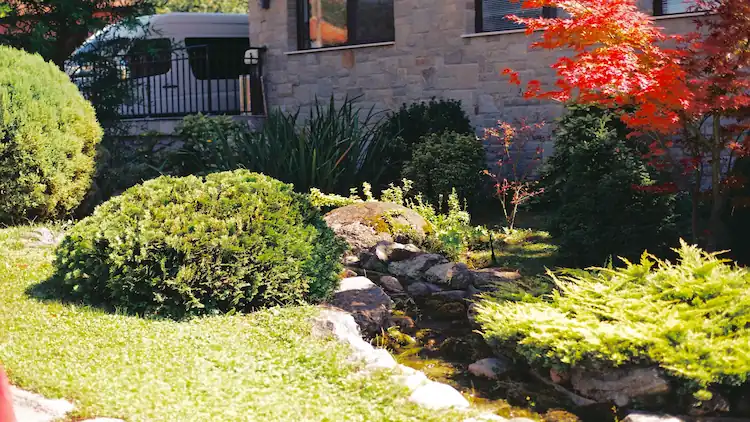
You obviously cannot lift out an entire rose bush or tomato plant the way you would a small houseplant, so diagnosis leans more on above-ground symptoms and digging carefully near the base to check a sample of roots. Improving drainage in a garden bed usually means working organic matter or coarse sand into the soil, raising the planting area slightly, or redirecting where water naturally pools after rain, rather than swapping a potting mix.
Garden plants are also more exposed to water mold pathogens like Phytophthora, which spreads through flowing or standing water – along riverbanks, in low-lying beds, after heavy rain. If a section of your garden keeps losing plants to rot in the same spot, that location itself is often the actual problem, and switching to rot-resistant varieties in that particular bed is usually a better long-term move than fighting the soil every season.
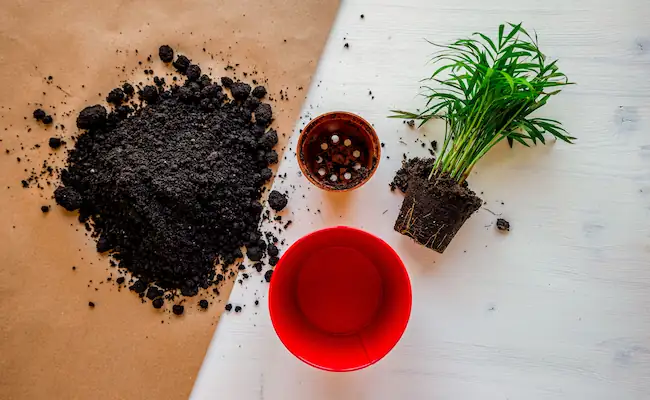
How to Stop This From Happening Again
Prevention is genuinely the easier half of this whole topic, and almost every case traces back to one of these habits:
- Check the soil with your finger before watering water only when the top two to three centimeters feel dry, not on a fixed calendar.
- Use pots with drainage holes if you love a decorative pot without one, keep the plant in a plain nursery pot set inside it.
- Empty the saucer within ten minutes of watering
- Match the soil mix to the plant aroids, succulents, and orchids all want a chunkier, faster-draining mix than standard potting soil.
- Size the new pot only two to three centimeters wider than the last one when repotting a generous pot just holds unused water.
- Cut back watering by roughly a third to half during winter, when growth naturally slows.
- Add a small fan for a few hours a day near plants that dry slowly he extra airflow helps the soil dry evenly.
- Consider terracotta pots for plants that are prone to staying wet, since the porous walls pull excess moisture out through the sides.
When It Is Time to Let the Plant Go
This part is uncomfortable, but it saves people a lot of wasted weeks. A plant is unlikely to recover if the main stem base has gone soft or hollow, if it collapses when you lift it gently by the base, if less than about a tenth of the root system is still firm, or if it has been declining for six weeks or more with no response to anything you have tried.
In those cases, stop trying to save the whole plant and take a cutting instead, from the healthiest, firmest section you can find. I know it feels like giving up, but in my experience it saves the plant’s genetics far more reliably than pouring another month into a root system that is not coming back.
Final Thoughts :
Root rot in houseplants is a problem almost every plant owner eventually deals with, and the fix does not need to feel mysterious once you know the actual steps. Add the focus keyword “root rot in houseplants” into the very first sentence of the intro paragraph, since Google and readers both weigh the opening lines most heavily. For example: “If you keep houseplants long enough, root rot in houseplants is one problem that is going to find you eventually.”
Pingback: Tomato Leaves Turning Yellow? 11 Easy Fixes That Work Fast!