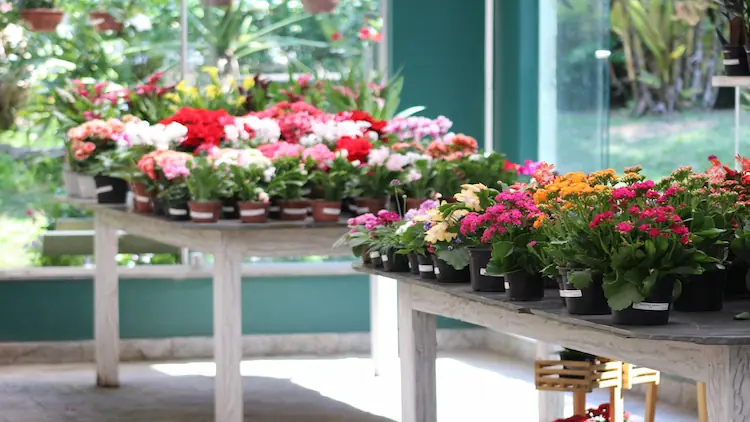
I still remember walking through my local nursery last fall, picking out a ZZ plant because the guy at the counter told me it practically takes care of itself. Then my sister called and asked, “Wait, aren’t those poisonous to cats?”
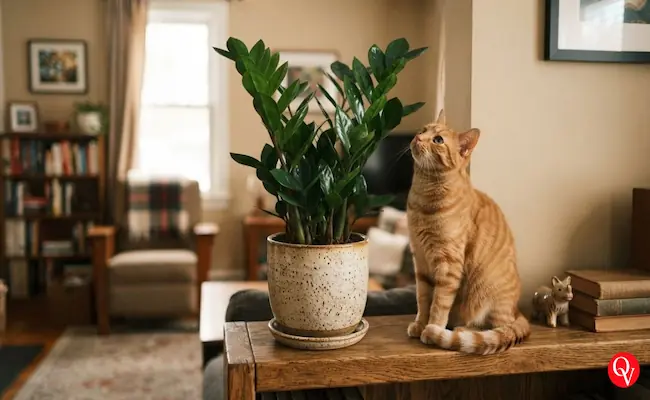
That question stuck with me. So are ZZ plant toxic to cats, or is this just another rumor floating around the internet? Turns out, the real answer is a bit more layered than a simple yes or no, and I think every cat parent deserves the full picture before they bring one home.
Are ZZ Plant Toxic to Cats? Here’s the Short Answer
Yes, they are mildly toxic. The ZZ plant, scientifically called Zamioculcas zamiifolia, contains calcium oxalate crystals in its leaves, stems, and even the roots. These crystals aren’t the kind that cause organ failure or anything life-threatening in most cases, but they will absolutely make your cat uncomfortable if chewed on.
According to NC State Extension’s plant database, this species belongs to the Araceae family, a group known for carrying these irritating crystal compounds (source).
Why This Houseplant Bothers Cats So Much
The calcium oxalate crystals are shaped almost like tiny needles. When a cat bites into a leaf, these crystals release into the mouth tissue and cause instant irritation. It’s the same reason your cat will usually spit the plant out after one bite instead of eating the whole thing.
Pet Poison Helpline notes that insoluble oxalates cause direct mechanical injury to the mouth and GI tract rather than a chemical poisoning reaction (source). Interestingly, this plant doesn’t even show up on the ASPCA’s official toxic plant list, which is why so much confusion exists online in the first place (source).
How Much Exposure Actually Causes a Reaction
This is where most articles skip the details, and honestly, I think it matters the most. A cat brushing past the plant or rubbing against a leaf usually causes nothing at all. The real trouble starts when there’s actual chewing or swallowing involved.
- A quick lick or a nibble: mild drooling at most, nothing serious.
- Chewing on a leaf: mouth pain, pawing at the face, some drooling.
- Swallowing a piece: vomiting, upset stomach, occasional diarrhea.
Most cats stop on their own after that first bite because the burning sensation kicks in fast. That natural instinct is honestly what keeps most cases from turning severe.
Symptom Timeline: What to Expect and When
| Time After Exposure | What You Might See |
|---|---|
| Right away | Drooling, pawing at mouth, mouth pain |
| Within 1-2 hours | Vomiting, refusing food |
| A few hours later | Diarrhea, if a bigger piece was swallowed |
| Rare, severe cases | Swelling near the throat, breathing trouble |
In my experience talking to other cat owners, most symptoms clear up within a few hours without needing a trip to the emergency clinic. But rare cases can escalate, so keep watching your cat closely for the first several hours.
What About Skin Contact or Digging in the Soil
Nobody really talks about this part, but it matters if you have a curious cat who likes to paw at the dirt. If the sap touches your cat’s skin or paw pads, it can cause mild redness or irritation, especially if they then lick the area and transfer it to their mouth.
The roots carry these same oxalate crystals too, so a cat that digs into the pot and chews on roots faces a similar risk as one chewing the leaves. If your cat’s a digger, rinse their paws with water right after they’ve been near the plant, just to be safe.
When to Just Watch and When to Call the Vet
I always tell people this part is the one that actually matters in the moment.
Stay home and monitor if:
- It was just a small nibble.
- Your cat is alert, walking normally, breathing fine.
- Drooling settles down within an hour or two.
Call your vet if:
- Vomiting continues past a couple hours.
- Your cat refuses water for several hours.
- You saw them swallow a larger chunk.
Head straight to an emergency vet if:
- There’s any wheezing or labored breathing.
- The mouth or throat looks swollen.
- Your cat seems weak, wobbly, or unresponsive.
First Aid You Can Do at Home
If you catch your cat mid-chew, gently check their mouth for any leftover plant bits and remove what you can. Rinse their mouth out with plain water using a small syringe or dropper if you have one on hand. Skip the hydrogen peroxide trick some people mention online, it’s not recommended for this kind of plant exposure and can do more harm.
A small amount of plain yogurt can sometimes help coat the mouth and ease irritation, though this isn’t a substitute for calling your vet if symptoms don’t improve.
Making Sure It’s Actually a ZZ Plant
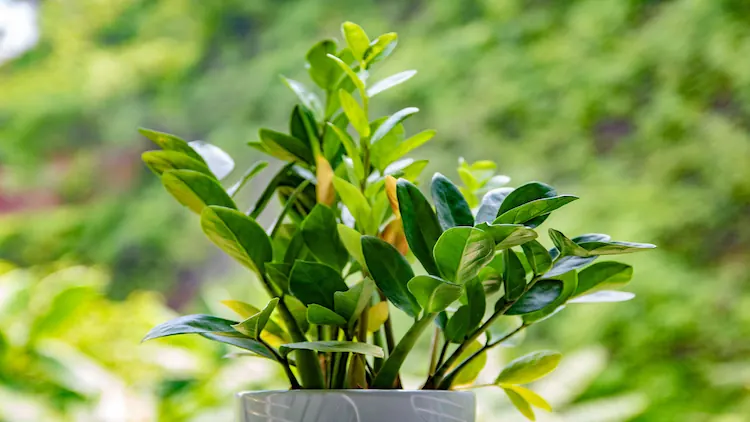
A lot of confusion around zz plant toxicity to cats actually comes from people misidentifying the plant altogether. ZZ plants have thick, waxy, dark green leaves that grow in a feather-like pattern from a central stalk, and they usually stay under 3 feet tall indoors.
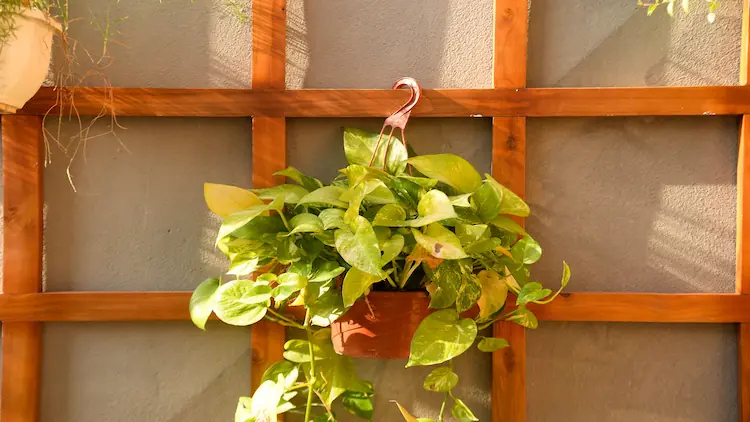
They’re often confused with pothos or philodendron, which have completely different leaf shapes. If you’re not sure what’s sitting in your backyard or living room, snap a photo and check with your local nursery or a plant identification app before assuming either way.
Is It Risky for Kids or Other Pets Too
This isn’t just a cat concern. The same calcium oxalate crystals that irritate a cat’s mouth can affect dogs and even small children if they chew on the leaves.
Dogs tend to react the same way cats do, with drooling and mouth discomfort, while young kids who put things in their mouth could experience similar irritation. If you’ve got a mixed household with both cats and dogs, or little ones crawling around the backyard, it’s worth keeping this plant well out of reach for everyone, not just your cat.
Keeping Your Cat Safe Around This Plant
Prevention really is the easiest fix here. A few things that have worked well for me and other community gardener friends who also keep cats indoors:
- Place the pot on a high shelf or in a room your cat can’t get into.
- Use a cat-safe deterrent spray on the leaves.
- Give your cat their own patch of cat grass to chew on instead.
- Set a spikier plant, like a small cactus, in front of it as a natural barrier.
If you’re growing your ZZ plant outdoors in warmer months, know that it only survives outside in USDA Zones 9 through 11, so most of us are keeping this one indoors year-round anyway. And since watering habits directly affect how healthy and full the plant grows, checking a proper watering schedule can also help you avoid overwatering issues that stress the plant and its roots.

Cat-Friendly Plant Alternatives Worth Considering
If cats and zz plants just don’t feel like a safe combination for your household, there are plenty of gorgeous options that won’t cause a single worry.
- Spider Plant: easy care, purifies air, tolerates low light.
- Boston Fern: low maintenance, handles a playful cat swatting at it.
- African Violet: adds color to any windowsill, blooms through spring and summer.
- Ponytail Palm: sturdy leaves that survive a curious paw or two.
For a broader list, our guide on plants safe for cats covers even more options that work well for apartments and backyard sunrooms alike. And if you’re simply looking for something that thrives without much sunlight, our roundup of low-light houseplants is worth a look too, especially heading into fall when daylight starts shrinking.
Final Thoughts:
So, are zz plant toxic to cats? Yes, mildly, and mostly because of those calcium oxalate crystals causing mouth irritation rather than anything life-threatening. Most cats learn their lesson after one bite and leave it alone after that. Keep the plant out of reach, watch for the early signs, and you and your cat can both enjoy a low-maintenance houseplant without much worry. If you ever want a deeper dive into keeping this plant thriving, our full ZZ plant care guide walks through everything from light needs to soil choices.