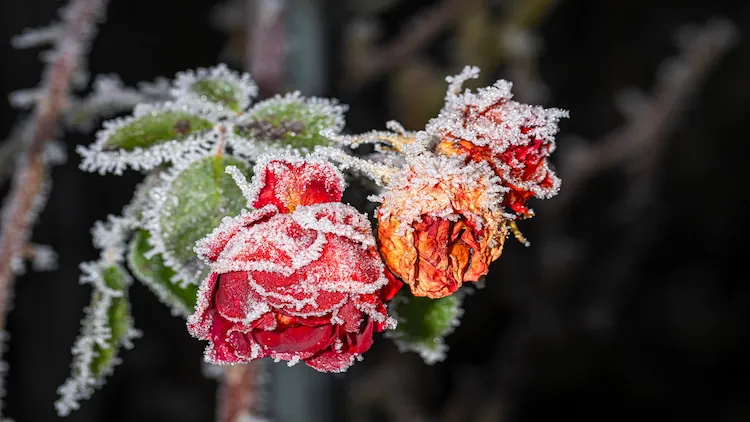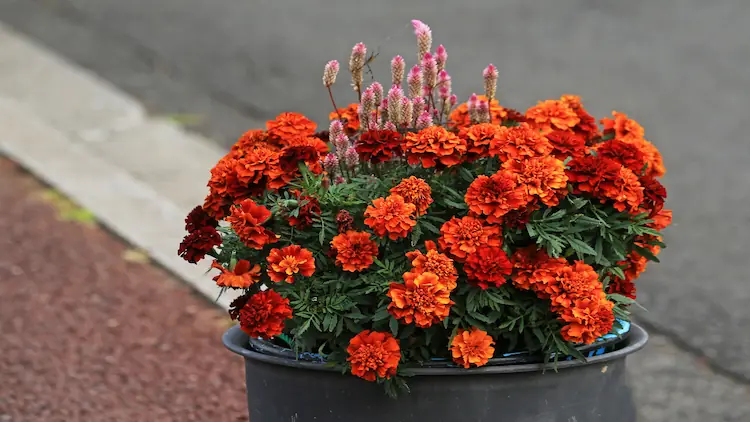
Ever walked out to the yard on a chilly October morning and found your marigolds looking limp and blackened overnight? It happens to almost every home gardener at some point, and it can be heartbreaking when your flower bed was full of color just the evening before.

The good news is, learning how to protect marigolds from frost isn’t complicated, and a few small steps taken the night before can save your whole bed. Whether you’re growing marigolds as a companion plant near your zucchini and eggplant, or you just love them as a colorful centerpiece by the porch, here’s what you actually need to know before that first cold snap rolls in.
Why Marigolds Take Frost So Hard
Marigolds are tender annuals, which means they’re built to grow fast, bloom hard, and finish their whole life in one season. They never developed the natural antifreeze compounds that hardy perennials use to survive winter.
When ice crystals form inside the plant’s cells, those crystals expand and tear through the cell walls, and that damage cannot be undone. According to the University of Florida IFAS Extension, freezing injury below 32°F causes cellular dehydration and membrane damage that leads to a full loss of cell integrity (UF/IFAS Extension).
You’ll also find some disagreement online about whether French marigolds (Tagetes patula) or African marigolds (Tagetes erecta) handle cold better. In practice, both types share the same basic frost intolerance, and the small differences people notice usually come down more to plant maturity than variety.
A young seedling fresh out of a nursery pot will wilt faster than a mature, well-established plant with thicker stems and hardened tissue. That’s part of why two neighbors growing the same variety can end up with totally different results after the same cold night.
Light Frost vs. Hard Freeze: Not the Same Thing
Not every cold night ends the same way for your flower bed, so it helps to know the difference before you decide whether frost-damaged marigolds are worth saving.
A light frost, somewhere around 32°F to 34°F, usually just causes ice crystals on the leaf surface and some minor browning on the most exposed foliage. A hard freeze, when temperatures drop below 28°F, is a different story entirely and is typically fatal to the whole plant.
| Condition | Temperature | What Happens |
|---|---|---|
| Chilling stress | 40°F to 50°F | Slower growth, fewer blooms |
| Light frost | 32°F to 34°F | Surface ice, minor leaf damage |
| Hard freeze | Below 28°F | Cell rupture, usually fatal |
A field study from Michigan State University’s greenhouse crop program found that an entire outdoor marigold crop died after exposure to 24°F during an April cold snap, which shows just how fast a hard freeze can wipe out a bed (MSU Extension).
Spring Frost vs. Fall Frost in Your Backyard
The season matters just as much as the temperature reading. A spring frost usually catches young seedlings that were transplanted a little too early, before the danger of frost has fully passed in your area. A fall frost, on the other hand, is more of a natural signal that the growing season is winding down.
If you’re dealing with a spring cold snap, protecting marigold plants is worth the effort since you’ve got months of blooms ahead of you. A late fall frost might just mean it’s time to start thinking about cleanup instead of fighting to keep marigolds safe from frost that was always going to end their season anyway.
How to Protect Marigolds From Frost
When a frost warning shows up in the forecast, here’s what actually works in the yard:
- Cover them overnight: Drape a frost cloth, old bedsheet, or breathable fabric over the bed, letting it reach the ground so it traps ground heat. A good frost blanket makes this step a lot easier than fumbling with sheets every night.
- Mulch the soil: Lay down 2 to 3 inches of straw, shredded leaves, or wood chips around the base to insulate the roots.
- Water before nightfall: Moist soil holds heat better than dry soil. Give the bed a slow soak, roughly 1 gallon per plant, a few hours before sundown so it can radiate warmth overnight.
- Move containers indoors: Potted marigolds can go into the garage, a sunroom, or near a warm wall until the cold passes.
- Build a simple windbreak: Even a few stakes set about 2 feet taller than the plants, wrapped with plastic sheeting or turned into a small cold frame, can raise the temperature around the bed by several degrees.
These steps are the backbone of any solid marigold frost protection plan, and combining two or three of them together works a lot better than relying on just one.
Know Your USDA Zone Before You Panic
Where you garden changes how urgent all of this really is. In USDA Zones 9 through 11, marigolds may reseed on their own and come back the following spring without much help.
But for most community gardener folks working in USDA Zones 4, 5, 6, 7, and 8, marigolds are grown strictly as annuals, and frost protection is really about extending the blooming season rather than saving the plant permanently. Knowing your zone helps you set realistic expectations instead of stressing over whether marigolds can survive frost when the honest answer, in most of the country, is that they were never going to overwinter outdoors anyway.
What to Do After a Frost Hits Your Marigolds
If you wake up to frost-damaged marigolds, don’t reach for the pruners right away. Give the plant a few days to show whether it’s actually going to bounce back. Trim off the blackened or mushy parts, but leave the healthy stems alone for now. Water deeply but don’t overdo it, since soggy, cold soil invites root rot on top of frost stress. Hold off on fertilizer until you see real new growth, which usually shows up within 2 to 3 weeks if the plant is going to make it.
One thing worth checking while you’re out there: frost damage on marigold foliage can sometimes look a lot like nutrient stress or disease. If the leaves were already looking off before the cold hit, it’s worth reading up on why marigold leaves turn yellow so you’re not blaming frost for a separate problem that was there all along.
Healthy vs. Frost-Damaged: What to Look For
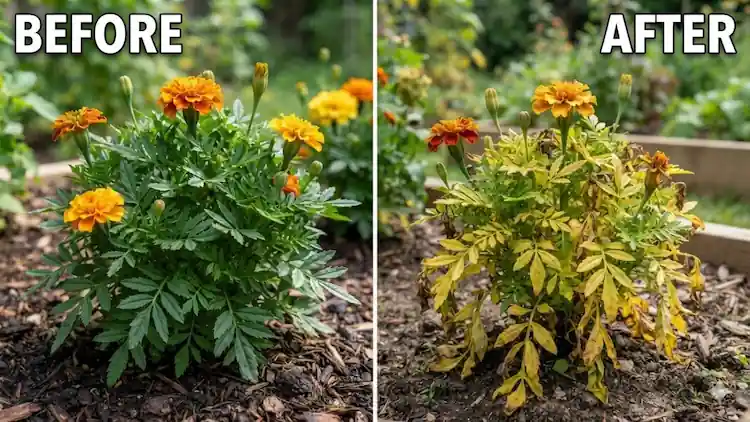
Before you decide on next steps, take a close look at the plant instead of guessing. A healthy marigold has firm, upright stems, bright green leaves, and blooms that hold their color.
A frost-damaged one usually looks the opposite: leaves turn dark and almost water-soaked at first, then dry out and turn black or brown within a day or two. The flowers themselves often go limp and droop toward the ground, even while the lower, more sheltered leaves near the soil can still look fine. Walking your yard the morning after a cold night and comparing the top growth to the base of the plant is usually enough to tell you how deep the damage really goes.
Signs Your Marigold Plant Isn’t Coming Back
Sometimes, despite doing everything right, a marigold just won’t survive frost. Here’s how to tell it’s time to let go:
- Stems that have turned black, feel mushy, or snap when touched.
- No sign of new growth after roughly three weeks.
- Roots that look brown and slimy when you dig around the base.
- Wilting that doesn’t improve even once the weather warms back up.
If you’re seeing a mix of these signs on plants that were already struggling beforehand, it may be worth checking whether pests or disease played a role too. Marigolds already dealing with pest and disease pressure heading into a cold snap tend to fare worse than a healthy plant would, and it helps to rule that out before writing the whole bed off. Plants showing both yellowing and dieback are also worth a closer look, since sometimes marigolds dying and turning yellow has more going on than just the cold snap.
Saving Seeds Before You Toss the Plant
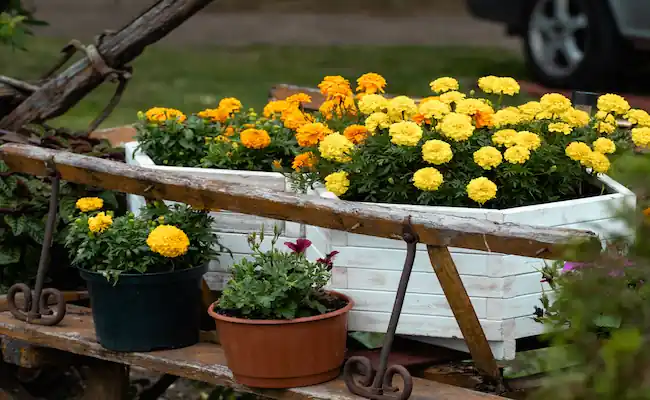
Before you drag frost-killed marigolds to the trash or garbage bin, take a few minutes to collect seeds from the dried flower heads. Let the spent blooms dry out fully on the plant, then pull them apart over a bowl and store the seeds somewhere cool and dry.
It costs nothing, takes maybe ten minutes, and gives you a head start on next year’s flower bed instead of buying new seedlings come spring. And if this year’s plants were also fighting something like powdery mildew, it’s smart to clean up all the plant debris from the yard rather than tossing it on the compost pile, so the problem doesn’t carry over to next season.
Quick Recap:
| Situation | What To Do |
|---|---|
| Frost forecast tonight | Cover, mulch, water, or move pots indoors |
| Light frost damage | Wait, trim dead parts, water moderately |
| Hard freeze damage | Check roots, prepare to replant next season |
| Season winding down | Save seeds, clean up debris |
Final Thoughts:
At the end of the day, learning how to protect marigolds from frost really comes down to watching the forecast, covering your plants the night a cold snap is expected, and knowing when a damaged plant still has a fighting chance versus when it’s time to move on. A little mulch, a well-timed watering, and a frost cloth can buy your backyard color a few extra weeks of bloom. I’ve found that even a rough plan beats no plan at all when that first cold night sneaks up on you.