I have been growing plants indoors for a good few years now, and if there is one category that people ask me about the most, it is hanging plants. There is something about greenery cascading down from a shelf or a ceiling hook that just makes a room feel alive. But I also remember my own early days, buying a pretty plant, hanging it up in the wrong corner, and watching it slowly go yellow and sad within a month.
So in this guide, I am not just going to give you a plant list and call it a day. I want to walk you through everything I wish someone had told me when I started with indoor hanging plants from picking the right one for your light, to the hardware that actually holds them up, to what to do when the leaves start dropping for no obvious reason.
Why Indoor Hanging Plants Are Worth the Effort
Hanging plants solve a problem that potted plants on the floor or table cannot. They use vertical space. If you live in a small flat or an apartment where every shelf and windowsill is already full, hanging planters give you a whole new “floor” to work with, just up in the air.
They also grow differently than upright plants. Instead of reaching up, most indoor hanging plants trail downward, which creates that lush, waterfall kind of look that photographs so well and honestly just feels calming to sit under. On top of that, plants in general are known to freshen up the air in a closed room, though I will be honest and say the effect is mild, not magical, so do not expect it to replace an air purifier.
Best Indoor Hanging Plants for Beginners
Here is my honest list, based on what has actually survived (and thrived) in my own home, not just what looks nice in a photo:
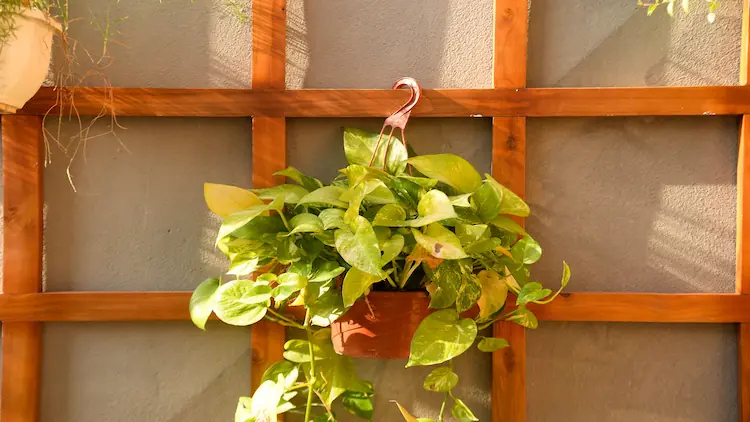
- Pothos (Epipremnum aureum) — The plant I recommend to literally everyone who says “I kill every plant I touch.” It tolerates low light, forgets a watering or two without complaint, and grows fast enough that you will see new vines within weeks.
- Spider Plant (Chlorophytum comosum) — Known for the little “babies” that dangle off the mother plant like tiny spiders. It is tough, adapts to most rooms, and is one of the very few common indoor hanging plants that is safe if you have curious pets around.
- Heartleaf Philodendron — Heart-shaped leaves, very relaxed care needs, and it genuinely does not mind if you forget it exists for a week.
- String of Pearls (Senecio rowleyanus) — A succulent, so it wants bright light and very little water. If you tend to overwater, this one will teach you a hard lesson quickly.
- Boston Fern — Beautiful, feathery, but it wants humidity. Bathroom or kitchen window is its happy place. Skip this one if your home is on the drier side.
- String of Hearts (Ceropegia woodii) — Delicate looking but surprisingly hardy. It likes to dry out fully between waterings, so this suits people who tend to under-water rather than over-water.
- Wax Plant / Hoya carnosa — Slow growing but rewards patience with clusters of star-shaped, fragrant flowers once it settles in. A good pick if you enjoy watching a plant mature over years rather than weeks.
Quick Comparison Table
I built this table because I always wanted one myself when I was choosing between plants a single glance instead of reading five paragraphs.
| Plant | Light Needed | Watering | Difficulty | Pet Safe |
|---|---|---|---|---|
| Pothos | Low to bright, indirect | When top inch is dry | Very easy | No |
| Spider Plant | Medium to bright | Let soil dry between | Very easy | Yes |
| Heartleaf Philodendron | Low to bright | When top inch is dry | Easy | No |
| String of Pearls | Bright light | Minimal, let it dry fully | Moderate | No |
| Boston Fern | Medium, indirect | Keep lightly moist | Moderate | Yes |
| String of Hearts | Bright, indirect | Let it dry fully | Easy | No |
| Wax Plant (Hoya) | Bright, indirect | Let soil dry between | Easy to moderate | No |
Are Indoor Hanging Plants Safe for Pets and Kids?
This is honestly the question I get asked most often, and it is one that a lot of plant lists just skip past. So let me be direct about it.
Out of the plants above, Spider Plant and Boston Fern are considered safe if a curious cat, dog, or toddler decides to take a nibble. Pothos, Philodendron, String of Pearls, String of Hearts, and Hoya are all mildly to moderately toxic if eaten, mostly causing mouth irritation, drooling, or an upset stomach rather than anything life threatening, but still worth avoiding.
My honest suggestion: hang the toxic ones higher up, out of paw and hand reach, and keep the pet-safe indoor hanging plants closer to where your children or animals actually spend their time. If you ever suspect a pet has eaten a houseplant and is acting unwell, do not wait it out call your vet or a pet poison helpline straight away.
Choosing the Right Planter and Hanging Hardware
Nobody really talks about this part, and it is where most people actually go wrong, not with the plant care itself:
Pick a planter with a drainage hole. I know the macrame ones without holes look gorgeous, but they trap water at the bottom and rot the roots quietly, without any warning until it is too late. If you love a hole-free pot, put a smaller draining pot inside it and just lift it out to water.
Check the weight before you drill anything. A small pothos in a plastic pot weighs almost nothing. A mature Boston fern or a String of Pearls in a ceramic pot, once watered, can weigh several kilos. Use a proper ceiling hook rated for weight, screwed into a stud or joist, not just into drywall or a false ceiling panel.
Macrame hangers work well for lightweight plants and add a nice textured look. S-hooks with a swivel are handy if you like turning the pot occasionally so it grows evenly instead of leaning toward the light source.
Height matters more than people think. Hang your indoor hanging plants where the trailing vines will not brush against heads when walking past, but still low enough that you remember to check on them and water them. A plant hung too high tends to get forgotten.
Room by Room: Where Each Plant Actually Belongs
- Bathroom — Boston Fern loves the steam and humidity from showers.
- Kitchen window — Pothos and Spider Plant handle the fluctuating light near a sink window quite well.
- Living room, near a bright window — String of Pearls, String of Hearts, and Hoya will do their best here.
- Bedroom, lower light corner — Heartleaf Philodendron and Pothos are the most forgiving choices.
- Home office — Spider Plant is a solid pick since it does not mind artificial light on cloudy days.
Growth Rate and Trailing Length
I noticed this myself years ago nobody tells you how big these things actually get, and then you are stuck wondering why your pothos vine is suddenly six feet long and tangled around your curtain rod.
| Plant | Growth Speed | Typical Trailing Length |
|---|---|---|
| Pothos | Fast | 6 to 10 feet indoors |
| Spider Plant | Fast | 1 to 2 feet, plus baby plantlets |
| Heartleaf Philodendron | Fast | 4 to 6 feet |
| String of Pearls | Slow to moderate | 2 to 3 feet |
| Boston Fern | Moderate | Fronds up to 2 to 3 feet |
| String of Hearts | Moderate | 3 to 4 feet |
| Wax Plant (Hoya) | Slow | 3 to 5 feet, over several years |
Pruning and Ongoing Care
Trailing indoor hanging plants need a trim now and then, or they end up leggy with bare stems near the top and all the leaves bunched at the tips. I usually pinch back my pothos and philodendron every couple of months, right above a leaf node, which pushes the plant to branch out and get fuller instead of just growing one long, thin vine.
For String of Pearls and Hoya, prune only when you see dead or shriveled sections, since these grow slowly and do not need frequent cutting. Always use clean scissors or a sharp blade, and wipe them down between plants if you are dealing with more than one, just so you are not accidentally spreading any disease from one pot to another.
Wipe dust off broader leaves like philodendron with a damp cloth once in a while too. It sounds like a small thing, but dusty leaves cannot photosynthesize properly, and I have genuinely seen plants perk up within days of a good leaf wipe down.
How to Propagate Your Hanging Plants
One of my favorite parts about growing these plants is that most of them are incredibly easy to multiply, so you basically get free plants forever:
- Cut a 4 to 6 inch section just below a leaf node (that little bump where a leaf meets the stem).
- Remove the bottom one or two leaves so the node is bare.
- Place the cutting in a glass of water, or directly into slightly moist potting soil.
- Keep it in bright, indirect light and change the water every few days if you are rooting in water.
- Roots usually show up within two to four weeks for pothos and philodendron. Succulent types like String of Pearls prefer to be laid flat on top of soil rather than dunked in water.
Once roots are about an inch or two long, pot the cutting up, and honestly, within a few months you will have a whole new hanging plant to give away or add to another corner of your home.
Common Problems and How to Fix Them
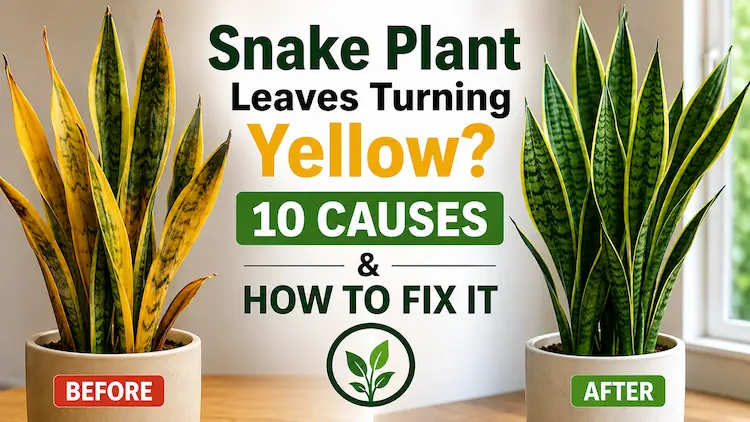
- Yellow leaves: Almost always overwatering. Let the soil dry out more between waterings and check the pot actually has drainage.
- Brown, crispy leaf tips: Usually low humidity or too much direct sun. Move it slightly back from the window or mist it occasionally.
- Leggy growth with leaves far apart: Not enough light. Move it closer to a window, or rotate it more often so all sides get sun evenly.
- Dropped leaves suddenly: Often a sign of shock from a recent move, temperature change, or cold draft near a window or AC vent.
- No new growth for months: Could just be the plant’s natural dormant season in colder months, or it might need repotting if roots are cramped and circling the pot.
- Sticky residue on leaves: Usually a pest called mealybug or scale. Wipe leaves with a cloth dipped in mild soapy water and check again in a week.
Styling Ideas That Actually Work
- A lot of guides stop at “here is a plant, go hang it,” but where and how you group these plants changes the whole feel of a room. A few things I have picked up over the years:
2. Group plants of different trailing lengths at slightly different heights instead of lining them all up at the same level. A short spider plant next to a long, sprawling pothos looks far more natural than a row of matching pots hung at identical heights, almost like a staged photo rather than a living space.
3. Corners near windows are underused by most people. A single hook in a bare corner, with one good trailing plant, fills a dead space without needing any furniture. It is one of the cheapest ways to make a room feel finished.
4. Mixing pot materials also helps. A terracotta pot next to a woven basket next to a plain ceramic one reads as collected over time rather than bought all at once from the same shelf. If your decor leans minimal, stick to one or two pot colors so the greenery itself becomes the main visual, not the containers.
5. Layering plant heights on a wall-mounted shelf, with one or two spilling over the edge, gives depth without eating into floor space at all. This works particularly well in rented apartments where drilling into the ceiling is not an option, since wall shelves need far less commitment.
Seasonal Care Adjustments
Care needs do shift with the seasons, and this catches a lot of first-time growers off guard. In warmer months, most of these plants are actively growing, so they drink more water and can handle slightly more frequent feeding with a diluted liquid fertilizer, roughly once a month.
Come winter, growth slows down noticeably, sometimes stopping altogether for a couple of months. Cut back watering during this period, since the soil stays damp for longer with less warmth and light to dry it out. Overwatering in winter is probably the single biggest reason healthy plants suddenly decline once the cold sets in.
Keep an eye on nearby heating vents and cold window drafts too. Sudden temperature swings stress these plants far more than people expect, and leaf drop right after winter begins is very often a temperature issue rather than a watering mistake.
Final Thoughts:
Indoor hanging plants are not complicated once you understand the basics right light, right watering rhythm, and a planter with proper drainage. Start with one or two forgiving varieties like Pothos or Spider Plant, get comfortable with how they behave in your specific home, and then branch out into the trickier ones like String of Pearls or Hoya once you have a feel for it.
I still remember hanging my very first pothos on a cheap plastic hook that came loose within a week. These days my whole hallway has a proper little jungle hanging from ceiling hooks, and honestly, it took nothing more than patience and paying attention to what the plant was quietly telling me through its leaves.