I killed my first Monstera Albo in about four months. Brown edges, then yellow leaves, then nothing left to save. That plant cost me a small fortune, and losing it stung more than I want to admit. So I bought a second one and this time actually paid attention to what it was asking for.
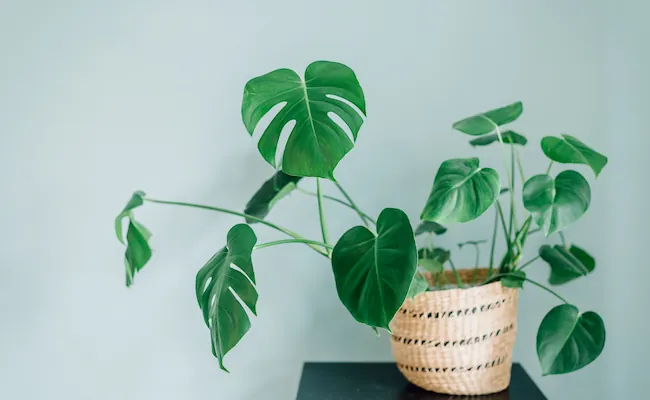
Three years later, it has climbed past six feet on a moss pole and throws out a new variegated leaf every few weeks. This Monstera Albo care guide is everything I learned the hard way, written the way I would explain it to a friend who just brought one home and does not want to repeat my mistake.
Why This Plant Is Not Like a Regular Monstera
Before getting into the day-to-day Monstera Albo care routine, it helps to understand what actually makes this plant different from a regular green Monstera deliciosa.
The white and cream patches on an Albo’s leaves have no chlorophyll in them at all. Chlorophyll is what a plant uses to turn light into energy, so those white sections are basically dead weight from a photosynthesis standpoint. The plant is working with less “engine power” than a fully green leaf, which is exactly why Monstera Albo care feels more demanding. Every light, water, and feeding decision you make either supports that limited energy budget or drains it further.
This one fact explains almost every problem people run into with this plant, from slow growth to leaves reverting back to green. Keep it in mind as you read the rest of this guide, because I will come back to it more than once.
Light Requirements: The Part Most People Get Wrong
Bright, indirect light is the single most important factor in Monstera Albo care, full stop. I learned this the expensive way when I moved mine six inches closer to a south-facing window “just to see” and came back three days later to a leaf with a brown, papery patch the size of a coin.
Here is what actually works in my home and in most indoor setups:
- Place the plant near an east-facing window, where it gets gentle morning sun.
- If you only have a south or west-facing window, keep the plant a few feet back or filter the light with a sheer curtain.
- Rotate the pot a quarter turn every week or two so growth does not lean toward one side.
- If your space is genuinely low light, a simple grow light on a timer for 8-10 hours a day will keep variegation from fading.
Too little light and the plant will start pushing out more solid green leaves to compensate, since green tissue is the only part doing real photosynthetic work. Too much direct sun and the white sections scorch almost instantly, because they have no pigment to protect themselves. There is a fairly narrow window here, and honestly, most Albo problems trace back to getting this one thing wrong in either direction.
Watering: How Often and How Much
I used to water on a fixed schedule, every Sunday, no exceptions. That habit rotted the roots of my first plant. Monstera Albo does not care what day it is; it cares about how dry the soil actually is.
My rule now: stick a finger two inches into the pot. If it comes out dry, water thoroughly until it runs from the drainage holes. If it is even slightly damp, wait a few more days and check again.
A few things that changed my results:
- Always use a pot with drainage holes. No exceptions, no matter how nice the ceramic pot without holes looks in the shop.
- Water deeply rather than a little bit often. A quick splash on top just wets the surface and encourages roots to grow shallow.
- Expect to water less often in winter, since growth slows down and the soil dries out slower too.
- Terracotta pots dry out faster than plastic or glazed ceramic, which is genuinely useful if you tend to overwater.
Overwatering shows up as yellowing leaves and a musty smell from the soil. Underwatering shows up as crispy, curling leaf edges and a plant that looks generally tired. Between the two, I would rather you err slightly on the dry side. A Monstera Albo bounces back from thirst far more easily than it bounces back from soggy, oxygen-starved roots.
Humidity and Temperature: A Big Piece of Monstera Albo Care
This plant grows wild in humid tropical forests, so it is asking for a bit of that environment indoors. I keep a small hygrometer near mine, and I aim to keep it in a comfortable range rather than obsessing over exact numbers.
| Factor | Ideal Range | What Happens Outside It |
|---|---|---|
| Humidity | 60% – 80% | Below 50%, expect crispy brown edges and slower growth |
| Temperature | 65°F – 85°F (18°C – 29°C) | Below 50°F, growth stalls and leaves may drop |
| Airflow | Gentle, indirect | Stagnant air invites fungal issues in high humidity |
A few practical ways to raise humidity without buying expensive equipment: group your plants together so they create a shared microclimate, set the pot on a tray of pebbles with a little water in it, or just run a small humidifier nearby during dry winter months. I run mine on low every night from November through March, and the difference in leaf texture is noticeable.
Keep the plant away from air conditioning vents, heating registers, and drafty windows. Sudden temperature swings stress the plant even if the average temperature looks fine on paper.
The Right Soil Mix for Monstera Albo Care
Getting the soil right is one part of Monstera Albo care that people tend to underestimate. A regular bag of potting soil straight from the shop will suffocate this plant’s roots over time. Monstera Albo grows as an epiphyte in the wild, meaning its roots are used to plenty of air pockets, not dense, compacted dirt.
My go-to mix, which I put together myself rather than buying pre-made:
- 40% orchid bark for chunky airflow
- 30% coco coir or peat moss as a moisture-holding base
- 20% perlite for drainage
- 10% activated charcoal or worm castings for a little nutrient boost and freshness
If mixing your own sounds like too much effort, a good quality aroid mix from a specialty nursery works fine too. The important part is texture: you should be able to see gaps and chunks in the mix, not a solid, packed block of dirt.
Feeding Your Monstera Albo the Right Way
Feeding is a small but important piece of Monstera Albo care. Because those white sections cannot photosynthesize, this plant genuinely benefits from a bit of extra nutritional support during its active growing months.
- Feed every 4 weeks from spring through summer with a balanced, water-soluble fertilizer diluted to half the recommended strength.
- Skip feeding entirely, or cut back to once every 6-8 weeks, during fall and winter when growth naturally slows.
- Always water the soil first, then fertilize. Feeding dry soil can burn the roots.
I made the mistake of fertilizing at full strength once, thinking it would speed things up. Instead I got crispy brown leaf tips within a week. Less is genuinely more here.
Repotting: When and How
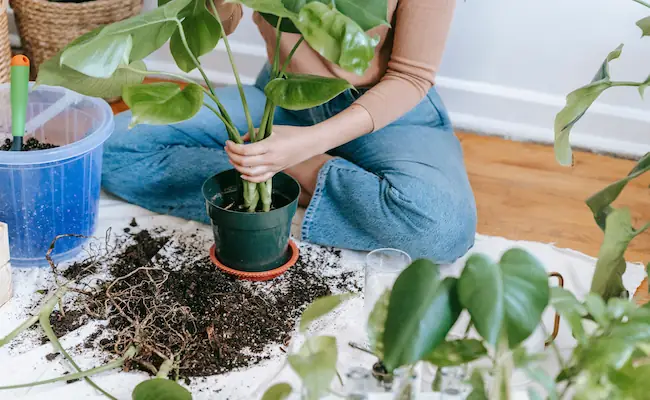
This is a step a lot of care guides skip entirely, and it caused me real confusion the first time my plant’s roots started circling the bottom of the pot. It is still very much part of proper Monstera Albo care, even though it only comes up once every year or two.
Repot your Monstera Albo roughly once every 1-2 years, or sooner if you notice roots poking out of the drainage holes, water running straight through without being absorbed, or growth that has visibly stalled.
Move up only one pot size at a time, maybe 2 inches larger in diameter. A pot that is too large holds excess moisture around roots the plant is not yet using, which is a fast track to root rot. Spring is the best season to repot, since the plant is entering its active growth phase and recovers faster.
Pruning and Support: The Overlooked Side of Monstera Albo Care
Monstera Albo is a climber in its natural habitat, and letting it grow that way indoors genuinely changes the size and shape of its leaves. Young, unsupported vines tend to produce smaller leaves with fewer of those signature splits. Once the plant has something sturdy to climb, like a moss pole or coco coir totem, the leaves that follow are noticeably larger and more fenestrated.
For pruning, snip off yellowing or badly damaged leaves close to the stem, always using clean, sharp scissors to avoid introducing infection. Wipe the remaining leaves down with a damp cloth every couple of weeks too. It sounds like a small thing, but dust buildup blocks light absorption, and for a plant already working with limited chlorophyll, that matters more than it does for an ordinary houseplant.
Propagating Monstera Albo
Propagation is where a lot of people get nervous, but it is genuinely one of the more straightforward parts of Monstera Albo care once you know what to look for.
Stem cutting method:
- Find a stem section with at least one node (the little bump where roots and leaves emerge) and ideally one healthy leaf attached.
- Cut just below the node using a clean, sharp blade.
- Place the cutting in water, sphagnum moss, or directly into a well-draining aroid mix.
- Keep it in bright, indirect light and maintain consistent moisture.
- Roots typically appear within 3-6 weeks. Once roots are a couple of inches long, pot it into soil if it was rooting in water.
One thing worth knowing: a cutting’s variegation pattern is not guaranteed to match the mother plant. A cutting that is mostly white with very little green may struggle to survive since it has almost no chlorophyll to sustain itself, so choose a cutting with a healthy balance of green and white.
Why Monstera Albo Leaves Revert Back to Green: And What To Do About It
This is something I genuinely wish I had understood earlier as part of my own Monstera Albo care, because it worried me a lot the first time it happened.
Variegation in Monstera Albo is caused by a genetic mutation, not a stable, permanent trait. Because the white parts of the plant do not photosynthesize, the plant is, in a sense, biologically motivated to produce more green tissue, since green tissue is what actually keeps it alive and growing. When a new leaf comes in mostly or fully green, this is called reversion.
A few things that make reversion more likely:
- Low light conditions, where the plant prioritizes energy production over aesthetics
- Stress from repotting, temperature swings, or pest damage
- Simply being an unstable chimeric mutation, which some individual plants are more prone to than others regardless of care
What you can do: if you notice a fully green leaf appearing, you can prune it off at the node once the plant has pushed out its next leaf, redirecting energy back toward variegated growth. Improving light conditions also helps going forward. That said, some reversion over the plant’s lifetime is genuinely normal and not always a sign you are doing something wrong. It is simply part of owning a variegated plant.
Common Monstera Albo Care Problems and How I Fixed Them
| Problem | Likely Cause | Fix |
|---|---|---|
| Brown, crispy edges | Low humidity or too much direct sun | Move away from harsh light, raise humidity |
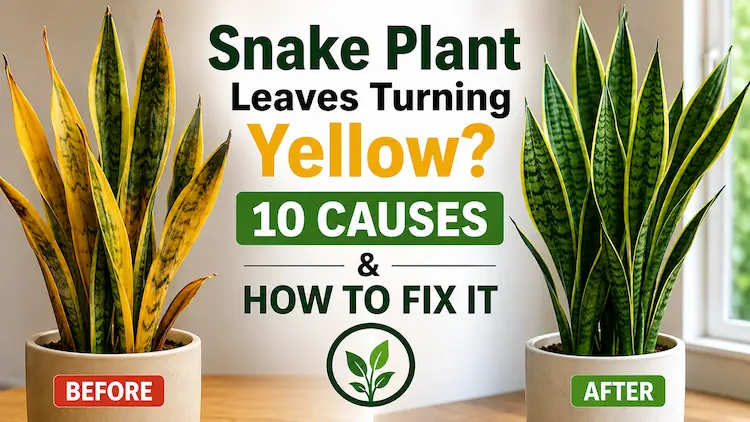
| Yellow leaves | Overwatering or poor drainage | Let soil dry out more, check drainage holes |
| All-green new leaves | Low light or natural reversion | Increase indirect light, prune reverted leaf |
| Small leaves, no splits | No climbing support, immature plant | Add a moss pole, be patient with new growth |
| Drooping, mushy stem | Root rot from overwatering | Remove from pot, cut away rotted roots, repot in fresh mix |
| Sticky residue or webbing | Pests (spider mites, mealybugs) | Treat with neem oil or insecticidal soap |
Pests and Diseases to Watch For
Pest management is another everyday part of Monstera Albo care. It is not an especially pest-prone plant compared to other houseplants, but dry indoor air makes it more vulnerable, especially to spider mites.
- Spider mites show up as tiny webs and speckled, dull-looking leaves. Wipe leaves down and treat with neem oil, and raising humidity genuinely helps deter them long-term.
- Mealybugs look like small white cottony clumps, usually hiding where the leaf meets the stem. Dab them directly with a cotton swab dipped in rubbing alcohol.
- Scale insects appear as small brown bumps that do not move. Neem oil or a gentle scrub with a soft brush usually clears them out.
- Root rot, caused by consistently soggy soil, is the most serious issue on this list and often the hardest to reverse. Catching it early by checking the soil regularly is your best defense.
Inspect the undersides of leaves every couple of weeks. Most infestations are far easier to manage when caught in their early stages, before they have spread across the whole plant.
Is Monstera Albo Safe Around Pets?
No, and this is worth taking seriously if you have curious cats or dogs at home. Monstera Albo contains calcium oxalate crystals, the same compound found in regular Monstera deliciosa. If chewed or ingested, these crystals cause irritation and swelling in the mouth and throat, along with drooling, vomiting, and difficulty swallowing.
Keep the plant somewhere your pets genuinely cannot reach, not just somewhere they are unlikely to bother with, since curiosity does not always follow logic. If you suspect your pet has chewed on any part of the plant, contact your vet right away rather than waiting to see what happens.
Buying a Healthy Monstera Albo: Where Good Care Starts
Monstera Albo plants are expensive, sometimes shockingly so for a single cutting or small starter plant. This comes down to genuine rarity. The variegation is a random genetic mutation that cannot be reliably reproduced through seeds, and tissue culture labs have only recently started scaling up production. Until supply catches up with the demand from collectors, prices are likely to stay high.
When you are actually at the nursery or buying online, here is what I check before spending money:
- Leaf balance: look for a healthy mix of green and white on each leaf rather than leaves that are almost entirely white, since those struggle to sustain themselves long term.
- Stem firmness: the stem should feel solid, not soft or mushy at the base.
- Root health: if buying in person, gently check that roots look white or light tan, not brown and mushy.
- No pest signs: check leaf undersides and stem joints for webbing or sticky residue before you commit.
- Exact plant vs. random selection: when buying online, choosing an “exact plant” listing lets you see the specific plant you are getting, rather than a random pick from inventory that might have less appealing variegation.
Monstera Albo vs Thai Constellation vs Regular Deliciosa
People often ask me how Albo compares to its more common cousins, so here is a quick side-by-side based on what I have grown personally.
| Feature | Monstera Albo | Thai Constellation | Monstera Deliciosa |
|---|---|---|---|
| Variegation pattern | Bold, sectoral white patches | Speckled, splashed cream marks | None (solid green) |
| Growth speed | Slow to moderate | Slower than Albo | Fast |
| Price range | Highest | High, but generally more stable | Lowest, widely available |
| Light sensitivity | High, easily scorched | Moderate | Low, fairly forgiving |
| Best for | Experienced collectors | Beginners wanting variegation | True beginners |
If you are newer to plant care in general, Thai Constellation or a regular Deliciosa will forgive far more mistakes while you build up your instincts.
Final Thought:
Monstera Albo care genuinely comes down to consistency more than perfection. Bright indirect light, soil that dries out a bit between waterings, decent humidity, and patience with its slower pace will take you a long way. I lost my first plant by ignoring almost everything in this guide, and my second one is thriving because I finally started listening to what it was actually telling me through its leaves.
Give it time. This is not a plant that rewards impatience, but the payoff, watching those big, split, white-and-green leaves unfurl one by one, makes every bit of the extra attention worth it.