One nibble on a pothos leaf can leave a cat pawing at its mouth and drooling within minutes. This vine sits on shelves in tons of American homes, and most people never think twice about it.
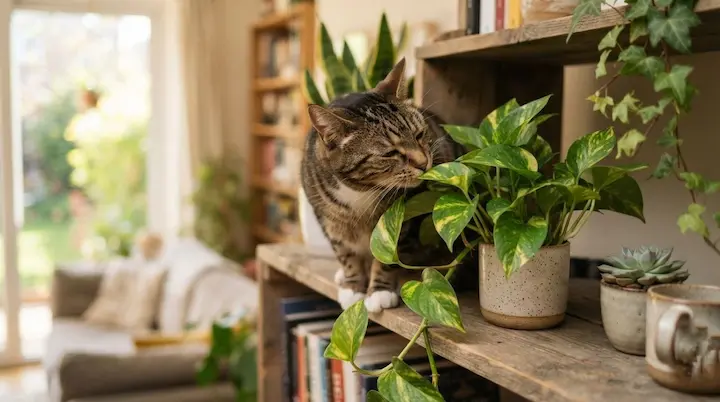
So are pothos toxic to cats, and how bad can it get? The short version is that it hurts but rarely turns life-threatening. Here is what the plant does, what to watch for, and how to handle it.
Are Pothos Toxic to Cats? The Direct Answer
Yes, The ASPCA’s golden pothos listing marks the plant as toxic to both cats and dogs and names insoluble calcium oxalates as the cause. The reported signs are mouth irritation, drooling, vomiting, and trouble swallowing.
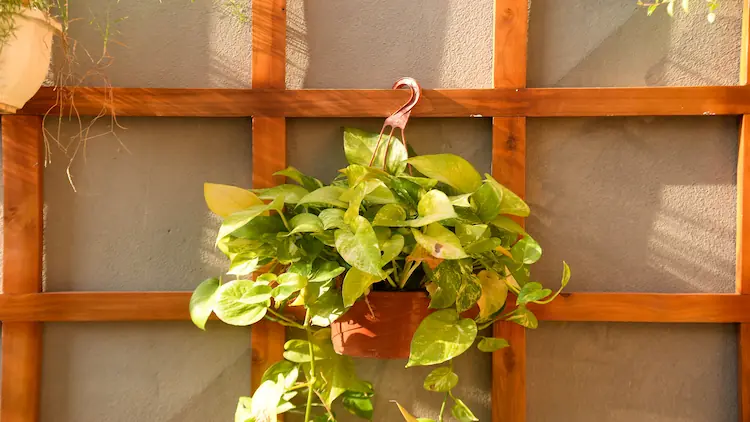
You will see this vine sold under other names too, like devil’s ivy, Ceylon creeper, taro vine, and money plant. Same plant (Epipremnum aureum), same risk.
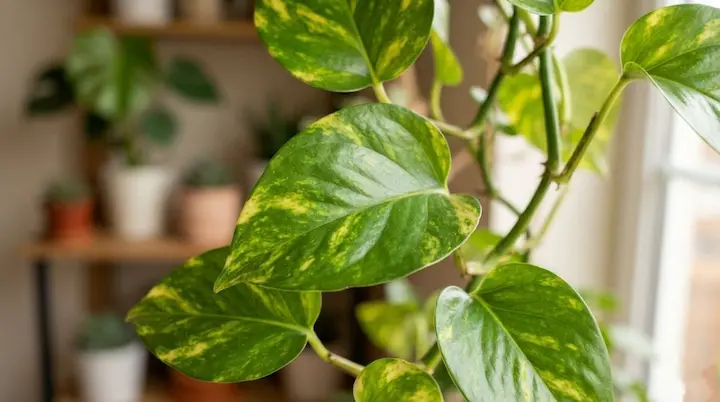
Why Pothos Ends Up in So Many Homes
Pothos is easy. It handles low light, forgives a missed watering, and grows slowly enough that it rarely needs a bigger pot. Those smooth, waxy leaves stay green with almost no effort, which is why the plant lands on so many shelves within a cat’s reach.
Is Pothos Poisonous to Cats or Just Toxic?
You will read both words online, and the difference is real. A true poison travels through the body and damages organs like the kidneys or liver. Pothos does not do that.
So is pothos poisonous to cats in that classic sense? No. The harm stays in the spots the plant touches, mostly the mouth, throat, and stomach, which is why vets call it a local irritant. That makes pothos very different from true lilies, which can cause kidney failure in cats and are a much bigger emergency.
Why Pothos Hurts Cats: Calcium Oxalate Crystals
Every part of a pothos has tiny needle-shaped crystals packed inside. When a cat bites down, the crystals get released and poke into the lips, tongue, throat, and stomach lining.
That is where the burning and drooling come from. A cat can’t wash them out either, since drooling only clears a small amount. The crystals only get released when a leaf is bitten or crushed, so a cat that brushes past the plant or naps beside the pot is fine. The trouble starts with chewing.
Here is where the crystals sit:
- Leaves, which are the most common thing cats chew.
- Stems and trailing vines, which swing around like toys.
- Sap, which can also irritate bare skin, so wash your hands after handling or trimming.
Are All Pothos Varieties Toxic?
Yes. Every common type carries the same crystals, no matter the leaf color or pattern.
| Type | What it looks like | Toxic to cats? |
|---|---|---|
| Golden pothos | Green leaves with yellow streaks | Yes |
| Marble Queen | White and green marbled leaves | Yes |
| Neon pothos | Bright lime-green color | Yes |
| Jade pothos | Solid deep green leaves | Yes |
| Satin pothos | Silver-splashed leaves, a different genus (Scindapsus) | Yes, same crystals |
| Philodendron (look-alike) | Heart-shaped leaves, often mistaken for pothos | Yes, also toxic |
How Bad Is It for Your Cat?
For most healthy adult cats, this lands in the mild to moderate range and rarely turns life-threatening. Amount matters too. A quick nibble usually means milder signs, while a cat that chews several leaves can get hit harder. Kittens, senior cats, and cats with health problems can react harder as well.
Can pothos kill a cat? It is extremely unlikely from normal houseplant chewing, since the damage stays local. The bigger worry is dehydration, because a cat with a sore mouth may vomit or refuse water.
I think that part gets overlooked more than the plant itself. In rare cases the mouth and throat swell enough to cause trouble breathing, and that is the moment pothos poisoning in cats becomes a true emergency.
Signs Your Cat Chewed Pothos
You don’t always catch a cat in the act, so watch for these:
- Pawing or rubbing at the mouth.
- Heavy drooling.
- Vomiting.
- Not wanting to eat or drink.
- Trouble swallowing.
- Whining or crying while eating or drinking.
- Red, irritated skin if sap got on it.
Signs usually start right after the chewing and, in most mild cases, ease within hours to a day or two. There is no blood test for this, so what you notice at home matters a lot to the vet.
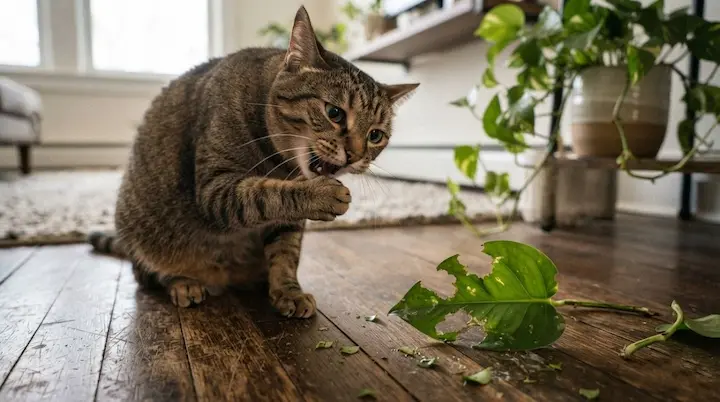
What to Do If Your Cat Ate Pothos
Stay calm and go in this order:
- Move your cat away and put the plant out of reach.
- Wipe out any leaf bits and gently rinse the mouth with a small amount of cool water if your cat allows it, and never force the mouth open.
- Offer fresh water.
- Don’t try to make your cat vomit, since that can add more irritation.
- Snap a photo of the plant and the chewed spot, and note when your cat ate pothos and roughly how much, then snip a small piece of the plant to show the vet.
- Skip home remedies, because milk or yogurt only has anecdotal support and many cats can’t handle dairy, so ask your vet first.
When to Call the Vet
Here is how to sort it:
| Level | What you see | What to do |
|---|---|---|
| Mild | Short drooling or pawing, still eating and drinking | Watch closely for a few hours and call your vet if you are unsure |
| Call today | Repeated vomiting, refusing food or water, drooling that keeps going, or a kitten or senior cat | Call your vet or a poison hotline |
| Emergency | Swollen mouth or face, loud or hard breathing, can’t swallow | Go to the nearest emergency clinic right now |
Two hotlines are worth having: ASPCA Animal Poison Control at (888) 426-4435 and Pet Poison Helpline at (855) 764-7661. Both may charge a consultation fee. I always keep both numbers saved in my phone.
How Vets Diagnose and Treat It
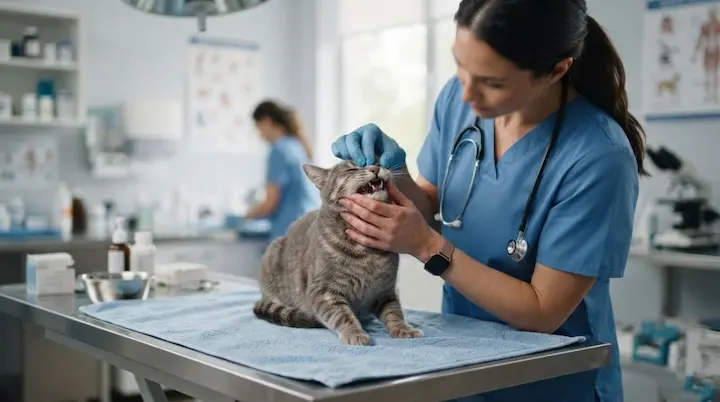
The vet starts with a look inside the mouth and asks what happened, which is why your photo and notes help.
Treatment depends on how bad things are:
- Flushing the mouth to wash out the crystals.
- Medicine for pain and swelling.
- Anti-nausea medicine if your cat is vomiting.
- IV fluids if your cat is dehydrated.
The bill depends on the clinic, so ask for an estimate up front. As a rough US ballpark, a regular sick-cat exam often runs about $75 to $150, and an emergency exam can start around $100 to $250 before treatment like IV fluids gets added. Prices shift a lot by city.
Recovery and Aftercare
Once the crystals are flushed out, they stop causing damage and most cats bounce back fast, usually with no lasting problems once the mouth heals. A cat with dehydration or a swollen airway may need to stay overnight.
At home, keep these in mind:
- Offer soft or wet food for a few days, since the mouth stays sore.
- Put fresh water in a couple of spots around the house.
- Watch appetite and drooling for a day or two.
- Keep your cat indoors and away from other houseplants until fully better, and check your other plants too.
- Pothos poisoning in cats usually clears quickly, but call the vet again if signs drag on.
Why Do Cats Chew on Pothos?
Can cats eat pothos without trouble? No, but that doesn’t stop them from trying. Cats are meat eaters, yet plenty nibble greens out of boredom, curiosity, or plain habit.
My guess is trailing vines are the worst offenders because they dangle and swing like toys. Cats also favor soft leaves near a sunny window, which is exactly where most of us keep pothos.
How to Keep Your Cat Safe Around Pothos
In my experience, the pots that get chewed are the ones sitting at cat height. A few habits fix most of it:
- Hang the pot 6 feet or higher, away from shelves and furniture a cat can jump from.
- Keep it in a room with a door you can close.
- Pick up fallen leaves right away, including yellow pothos leaves that dropped on their own, and toss trimmings in a lidded garbage can.
- Keep cuttings in a gallon jar of water out of reach, and if you are a community gardener who swaps cuttings, tell whoever gets one that there is a cat in the house.
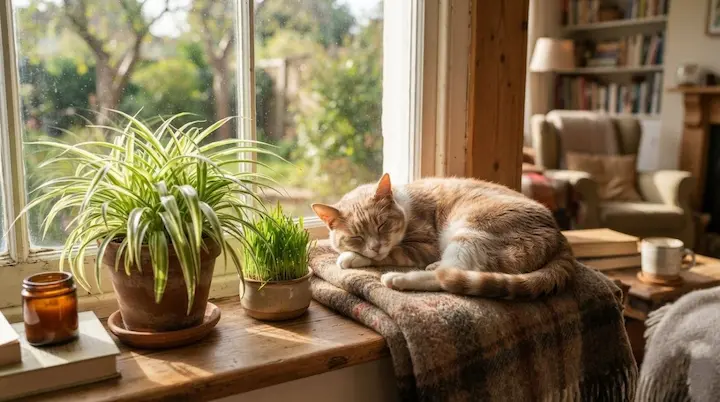
- Put a pot of cat grass in the center of a sunny window, since cats favor it.
- Try bitter-tasting pet-safe sprays or citrus peels near the pot, but skip essential oils, because many are toxic to cats.
- If your cat keeps going back to it, remove the plant completely from the house and the yard.
Pothos pretty much only grows outdoors year-round in USDA Zones 10 and up. In USDA Zones 4, 5, 6, 7 and 8, it lives inside or on a summer backyard patio, and frost near 32°F kills it, so pots come in every fall.
That is when cats suddenly meet a plant in a new spot. Wash your hands and pruners after every trim, and if you want care tips for the indoor months, read up on pothos in winter.
8 Cat-Safe Swaps for Pothos
If you want the look without the worry, these are considered non-toxic to cats:
- Spider plant: which trails and hangs much like pothos.
- Boston fern: which is full and leafy.
- Parlor palm: a slow grower that stays tidy.
- Areca palm: good for a bigger floor spot.
- Calathea: with bold color patterns on the leaves.
- Peperomia: small and easy on a shelf.
- African violet: a small flowering plant that adds color.
- String of hearts: a non-toxic trailing option, though cats love those dangling vines.
I like spider plants for trailing shelves, since they give that same hanging look.
What About Dogs and Other Pets?
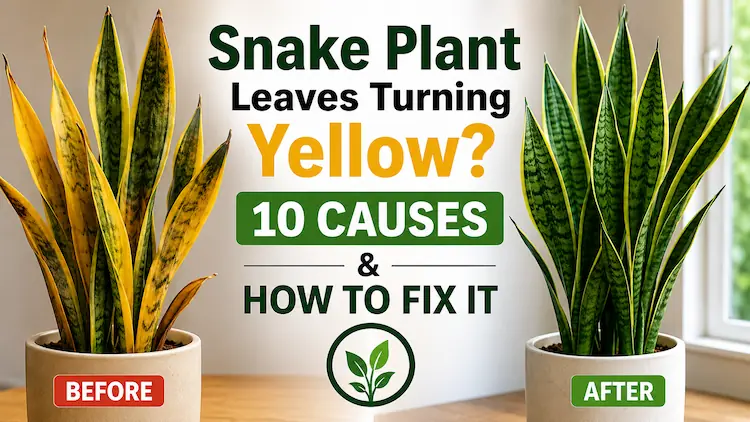
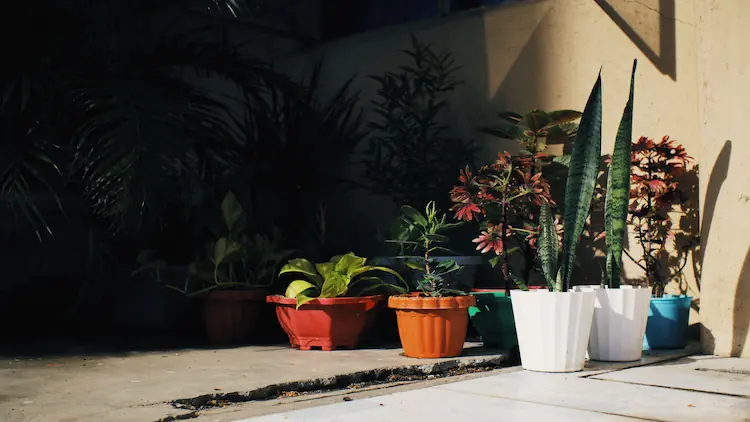
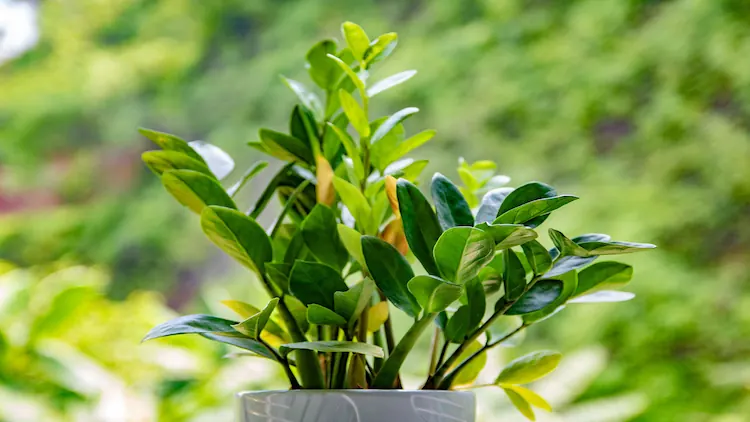
Dogs run into the same crystals, and the ASPCA lists pothos as toxic to them too. Rabbits, birds, and other small pets are best kept away as well, and toddlers should not get near the pot either. Other houseplants are worth checking too. Snake plants and the ZZ plant both cause trouble for cats, and the ZZ plant is also toxic to dogs and toxic to babies.
Common Myths About Pothos and Cats
- “Air-purifying means safe.” Nope. A plant can clean air and still hurt a cat.
- “One leaf won’t matter.” Even one bite can leave a cat sore and drooling.
- “Can cats eat pothos in small bites?” No, because small bites still release the crystals.
- “The tag says non-toxic.” Double-check any plant tag against the ASPCA list, because labels can be wrong.
Final Thoughts:
So, are pothos toxic to cats? Yes, but the damage stays in the mouth and stomach, and most cats recover quickly with fast care. Hang the plant high or swap it for a safe one, and call a vet if signs show up. I keep pets first and plants second, and that rule has never let me down.