
Two jalapenos hang side by side on the same plant, and one tastes mild and grassy while the other is hotter and sweeter.
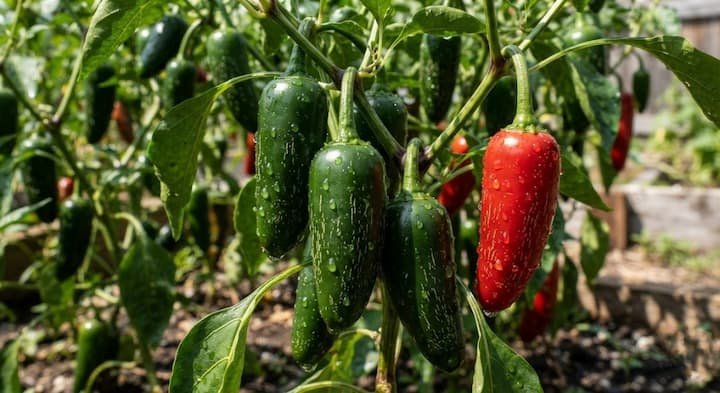
The only difference is a few weeks on the vine. That gap is why when to pick jalapenos matters more than most backyard growers think. Pick early and you lose heat, pick late and the plant slows down. Here is how to get it right.
When Are Jalapenos Ready? Six Signs To Check
No single sign tells the whole story, so I like to check a few at once. Screenshot this list as a pocket checklist.
- Size: most jalapenos finish at 3 to 4 inches long and 1 to 1.5 inches wide. Early Jalapeno stays around 2 to 2.5 inches, while Jedi can reach 4.5 to 5 inches, so read your seed tag. Pot-a-Peno, Jalafuego and Megatron are other popular picks.
- Skin: smooth and glossy. A dull, matte look usually means the pepper needs more time.
- Firmness: squeeze gently. Firm and solid is good, soft and spongy is past it, and hard and tiny needs more time.
- Color: deep green is the standard pick. Red means fully ripe.
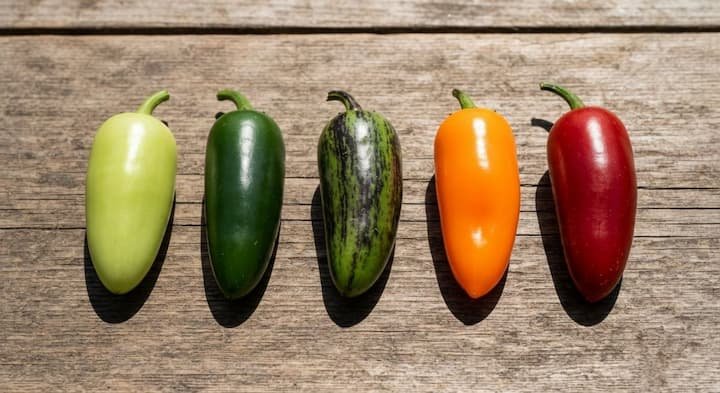
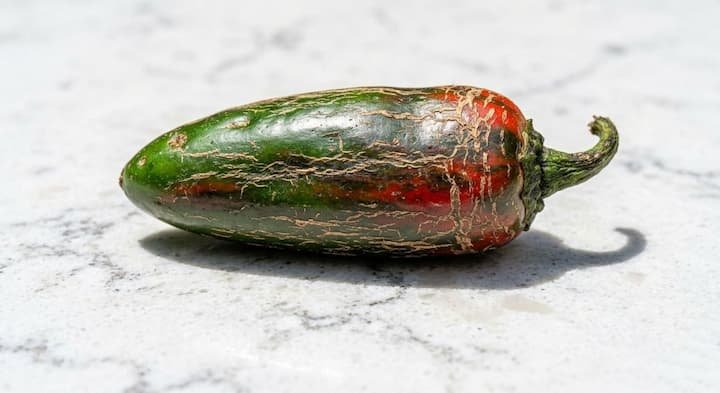
- Corking: tan or white lines on the skin. They are safe to eat and only mean the pepper grew fast.
- Days to maturity: the number on the seed packet counts from sowing, so mark your calendar.
Once a pepper stops growing for several days and matches the size on your packet, it is good to go.
Jalapeno Ripening Stages From Green To Red
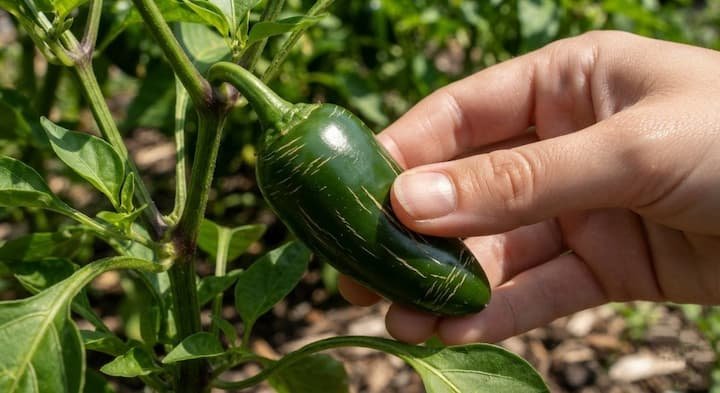
Ask ten growers “when are jalapenos ready?” and you will hear ten answers, because each color stage tastes different.
Here is the usual run:
- Light green: young fruit, mild and a little bitter, fine for a quick stir fry.
- Dark green: the classic grocery store look, crisp and bright, best for pickles and poppers.
- Black or purple streaks: a normal in-between step where the heat starts to climb, good for fresh salsa.
- Orange or yellow: sometimes called the huachinango stage, with softer walls and a sweeter flavor, good for relish.
- Red: fully ripe, fruity, sweet and a bit hotter, best for hot sauce and drying.
Some varieties finish yellow, orange or purple instead of red, so the final color depends on the plant you bought. In my experience, setting one pepper from each stage side by side on the counter teaches you more than any chart.
Do not mix them up with serranos, which are slimmer and hotter, or Fresno chilies, which have thinner walls.
When To Harvest Jalapenos: A Timeline From Transplant
Count from the day you plant peppers outside. Most jalapeno plants reach the green mature stage about 70 to 80 days after transplanting, and a plant started from seed usually needs 70 to 120 days overall.
| Stage | Weeks after transplant | What you will see |
|---|---|---|
| Flowering | 4 to 6 | Small white flowers |
| Fruit set | 5 to 7 | Tiny green peppers form |
| Immature fruit | 7 to 9 | Peppers growing, still small and pale |
| Green mature | 10 to 12 | Full size, glossy and firm |
| Turning | 12 to 14 | Color shifts from green toward red |
| Red ripe | 13 to 16 | Fully red and sweetest |
Warm, sunny weather speeds all of this up, and cool Fall nights slow it down. If your peppers stay green and nothing seems to happen.
Check these:
- Sun: jalapenos want 6 to 8 hours of direct light every day.
- Nitrogen: too much gives you leaves instead of fruit, so switch to a balanced pepper fertilizer.
- Heat: daytime highs over 90°F can make flowers drop, so give plants some afternoon shade.
- Variety: some jalapenos are bred to finish faster than others.
Green Or Red: When To Pick Jalapenos For Your Recipe
Both colors are safe to eat, and jalapenos land somewhere between 2,500 and 8,000 Scoville units depending on the stage.
| Feature | Green | Red |
|---|---|---|
| Flavor | Bright, grassy, sharp | Sweet, fruity, deeper |
| Heat | Milder, about 2,500 to 5,000 SHU | Often hotter, up to 8,000 SHU |
| Texture | Crisp and crunchy | Softer walls |
| Best for | Pickles, poppers, fresh salsa | Hot sauce, drying, chipotle |
| Extra time on plant | None | About 1 to 3 more weeks |
Capsaicin is what makes a pepper hot, and fruit that stays on the plant longer builds up more. Heat is where growers argue. Some say it peaks right as the color starts to change and then drops, others say red is always hotter.
I think the gap is small, and the flavor shift is easier to notice than the heat. Still, a study in Revista Chapingo Serie Horticultura found less capsaicin in green jalapenos than red ones, and red fruit scored 58.35% on an antioxidant test against 19.42% for green.
A simple plan is to pick most of them green and let a few ripen to red for sauce and drying. Size is usually full about a month before the color change, so wait for color, not length, if you want red.
How To Make Jalapenos Hotter Or Milder
Heat is not locked in. For a hotter crop:
- Grow a spicier variety in full sun.
- Leave peppers on the plant until they start turning red.
- Water a little less as the color changes. Light dry stress raises heat, but see watering pepper plants for a schedule that keeps the plant from wilting.
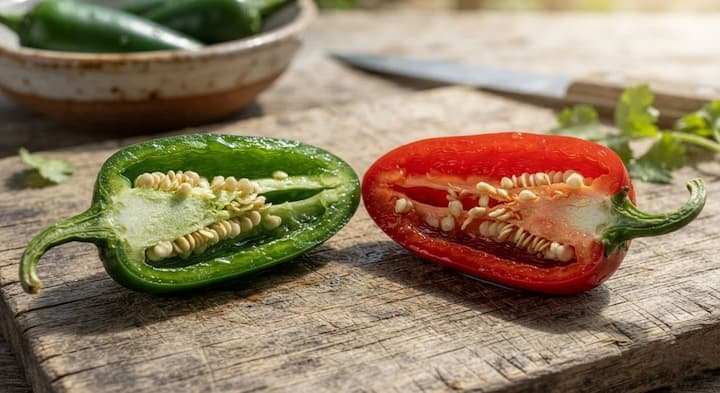
For a gentler pepper, pick at the dark green stage and cut out the seeds and the white pith inside, since that is where much of the burn sits. Keep dry stress light, since a bigger harvest beats a slightly hotter one.
How To Pick Jalapenos Without Hurting The Plant
Yanking or twisting can snap a woody branch, so do it this way:
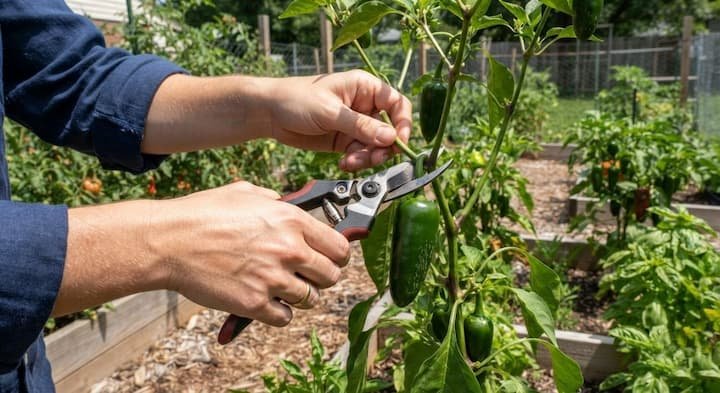
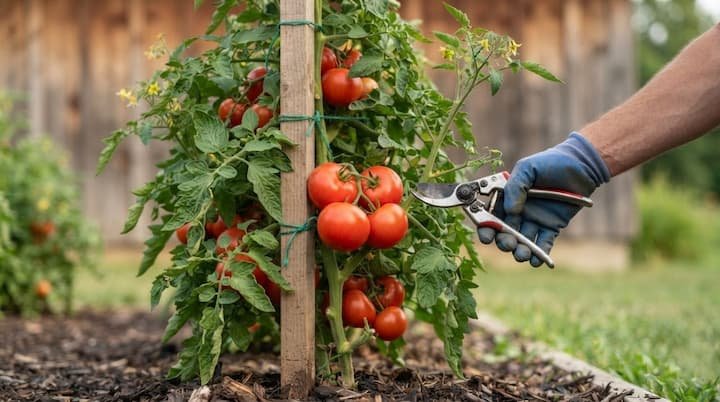
- Use clean, sharp pruners or scissors.
- Hold the branch with one hand while you cut with the other.
- Cut the stem 1/4 to 1/2 inch above the pepper and leave a small stub, which helps it store longer.
- Pick in the morning after the dew dries.
- Stake or cage heavy plants so the branches hold up.
Some growers pop ripe peppers off by bending the stem upward. That can work on fully ripe fruit, but I keep a pair of pruners in my back pocket all summer because one stubborn pepper can tear a strip off the branch.
Wear nitrile gloves on big harvest days. Capsaicin oil stays on skin for hours and burns if it reaches your eyes or nose. If your hands start burning, rub on a little cooking oil or rubbing alcohol, then wash with dish soap. Milk calms a burning mouth.
How Often To Check Your Plants
Walk the rows every 2 to 3 days during peak season. Each time you pick a mature pepper, the plant puts its energy into new flowers and fruit, so steady picking raises your total. One healthy plant can give 25 to 35 peppers in a season. Some growers thin a few early fruits so the rest grow bigger.
Skipping visits costs you. Ripe fruit left on the plant slows new flowers, heavy loads can snap branches on tall plants, and an overloaded plant loses vigor as its energy runs down.
Picking Too Early Or Too Late
A pepper picked too early has less heat, less sweetness and a bitter, grassy bite.
Waiting too long causes bigger problems:
- Soft, wrinkled skin: the flesh is turning mealy. A thirsty plant can cause wrinkles too, so check the soil first.
- Mushy spots or mold: toss those peppers and pull them off the plant so the rest stay clean.
- Brown seeds: still edible, but flavor and texture drop.
- Cracks or splits: common after heavy rain on a dry plant. Cook them right away, since they will not store.
- Rot on the stem: it attracts pests that go after healthy fruit.
Very ripe peppers can go in the fridge to slow things down until you are ready to cook.
Why Jalapenos Turn Black, Cork, Crack Or Stay Small
Black color has four common causes:
- Sunscald: black patches on young fruit high on the plant, or on fruit exposed after pruning. Usually harmless, though bad cases turn white and rot. Use row cover in hot weather.
- Natural ripening: jalapenos often go green, then black, then red, so dark streaks are fine.
- Disease: fungal and bacterial rot, blossom end rot and gray mold can all blacken fruit. Proper pepper plant spacing improves airflow.
- Variety: purple and black jalapenos start dark and still finish red.
Corking comes from fast growth, so those tan lines are fine to eat. A yellow or orange finish is just the variety. If you spot a tiny red pepper under an inch long, pick it, because a ripe pod does not get any bigger. Watch for thrips, which chew fruit and curl tips.
Small peppers usually trace back to under 6 hours of sun, thirsty plants, low phosphorus and potassium, or crowding. Few seeds often point to poor pollination in extreme heat. Blossom end rot shows as a dark, sunken spot on the bottom of the fruit, usually after uneven watering.
Will Green Jalapenos Turn Red After Picking?
It depends on how far along the pepper was when you cut it. A sunny windowsill or a bright counter brings color in a few days, but only if ripening had already started.
- Color already breaking: it keeps ripening indoors at room temperature.
- Still light green: it almost never turns red, however long you wait.
- Cold snap coming: that settles when to harvest jalapenos, so pick every pepper, even the small ones, because green ones still cook up fine.
In USDA Zones 4, 5, 6, 7 and 8, the first Fall frost often shows up before the last peppers turn red. Jalapenos cannot handle frost, and freezing starts at 32°F, so bring everything in when the forecast drops to 35°F.
What To Do With Jalapenos After You Pick Them
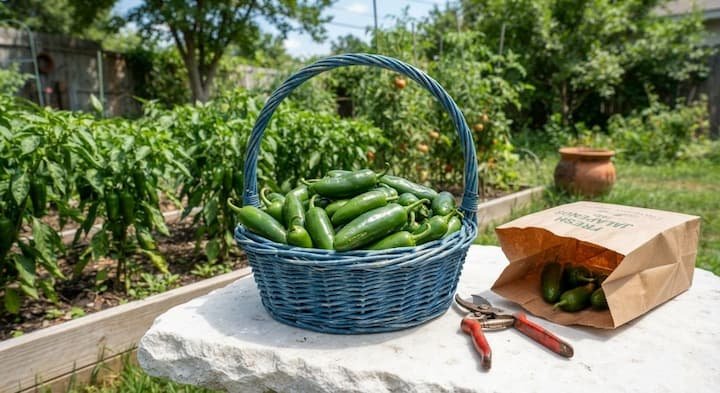
Fresh peppers keep about a week in the crisper drawer if you leave them unwashed in a paper bag, then wash them right before cooking.
When the pile is bigger than you can eat, pick a method:
- Freeze: wash and dry them, then bag them whole. Or chop and flash freeze on a parchment-lined tray for a couple of hours before bagging, so the pieces stay loose. Frozen peppers last up to about 8 months.
- Dry: string the stems and hang them in a cool, dry spot, or use an oven or dehydrator. Store dry peppers in airtight jars in a dark cupboard, or grind them into flakes or powder.
- Smoke: let jalapenos turn fully red on the plant, then smoke-dry them to make chipotle.
- Pickle or ferment: green peppers make crunchy quick pickles, and red ones make a great fermented hot sauce.
I freeze most of my batch whole because it is the least work, and the softer texture does not matter in sauces and stir fries. Save seeds from your best plant for next season too.
Pots, Raised Beds And Different Climates
The steps for how to pick jalapenos stay the same in a pot or in the ground, but the plants behave differently. Pots warm up fast in spring, so fruit can start earlier, but they dry out quicker.
Use at least a 5-gallon pot, fill it with a loose pepper soil mix and check the water daily in summer. The guide on jalapenos in pots covers the details. A community gardener with a raised bed can add flowers nearby as companion plants to bring in pollinators.
Jalapeno harvest time stretches almost all year in USDA Zones 9, 10 and 11, as long as plants get food, water and sun. The price is sunscald in peak summer and split fruit when humid storms roll through.
- Hot areas (USDA Zones 9, 10 and 11): use shade cloth in July and August and pick before heavy rain.
- Cold areas (USDA Zones 4, 5, 6, 7 and 8): jalapeno harvest time ends early, so start with transplants and use row cover in Fall.
- Hydroponic setups: fruit often comes faster, but the color stages look the same.
End Of The Season Cleanup
Take one last full harvest before frost, then decide what happens to the plant. Leftover green jalapenos are great pickled, fried, or blended into salsa verde. If you want to keep a plant going, prune pepper plants hard and follow the steps to overwinter pepper plants indoors with a grow light.
Overwintering needs heavy pruning, a grow light and a watch for indoor pests, so only keep plants you really like.
A healthy plant can go in the compost pile. I put any plant with rot or disease in the trash instead, so the problem does not carry over to next year’s bed.
Common Mistakes To Skip
- Yanking or twisting fruit off instead of cutting it.
- Picking light green peppers too early, then finding them bitter.
- Tossing corked peppers that are perfectly safe.
- Skipping gloves or missing the frost forecast.
- Panicking when fruit stalls. Read about peppers not turning red for the usual causes.
Final Thoughts:
Once you know when to pick jalapenos, the guessing stops. Check size, shine, firmness and color, cut with pruners, and visit the plants every few days. Take most of them green and leave a few for red. Screenshot the checklist near the top, tape it inside the shed door, and you will get better peppers all season. Happy picking.
Pingback: Why Are My Bell Peppers Not Turning Red? 7 Proven Fixes