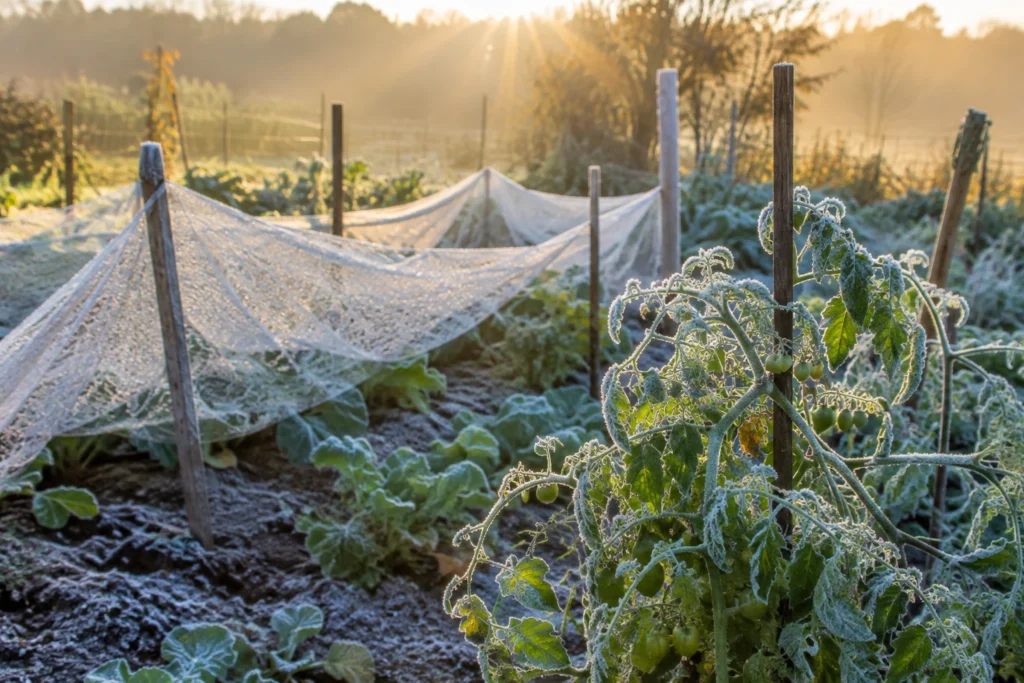
Why is my garden dying? Discover 10 common home gardening mistakes from overwatering to poor soil and learn exactly how to fix them to save your plants.
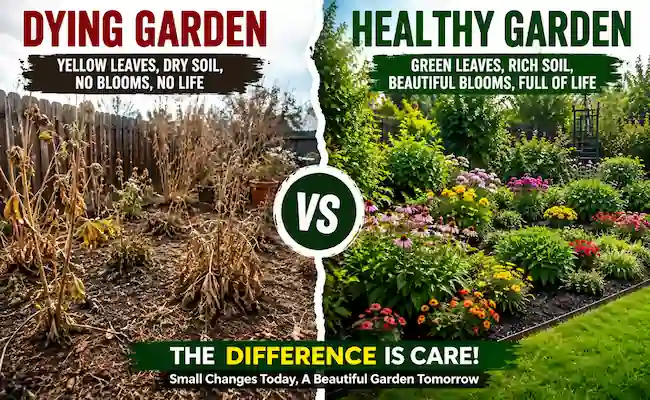
Your garden needs immediate care when plants start to wilt, turn yellow, or brown. Finding the exact cause early can save your entire landscape.
This guide will help you spot the problem and fix it quickly. Look closely at the leaves and soil because procrastination will turn your small patches of yellow into a complete tragedy. Let us dive in and fix this before it gets too late.
Identifying the Signs of a Garden Dying
Before you can fix the issue, you must check the visual clues your plants are giving you. Why? Because plants cannot speak, but they show distress clearly. If you notice your garden dying, you have to play detective right away and closely monitor every single leaf.
So, here are 5 ways to identify a Dried-up Garden :
Wilting leaves:
Plants droop when they have too much or too little water. It looks identical at first glance, but touch the soil. If it is dry, they are thirsty. If it is waterlogged, the roots are literally drowning.
When roots sit in stagnant water, they suffocate and stop working. So a plant wilts because it has no water, or because its drowned roots can no longer pull water up to the stem.
Yellow foliage:
This usually points to nutrient deficiencies or poor drainage. When a leaf loses its green color, it means the plant has stopped producing chlorophyll.
One more thing to check is whether the bottom leaves or top leaves are turning yellow first. If the bottom ones turn yellow, it is often a nitrogen issue. If the new top leaves turn yellow, it might be an iron deficiency.
Brown edges:
Crispy leaf margins signify scorching, wind damage, or lack of moisture. It is like a sunburn for plants. But sometimes, it is just a sign that high salt levels from cheap city water are building up in your flower beds.
When salt accumulates, it burns the delicate tip of the roots. This prevents moisture from reaching the furthest edges of the leaf, leaving them crunchy and dead.
Stunted growth:
Plants stop growing when roots face stress or compaction. If your new shoots look tiny and weak, something underneath is choking them. They want to spread out, but the hard earth is acting like a concrete wall.
Without space to expand, the roots cannot collect enough food to support new branch development.
Visible spots:
Dark or white patches indicate fungal or bacterial infections. These spots spread fast, especially during warm, humid nights. If you ignore them, the disease will hop from one plant to another within days.
Fungal spores travel on the breeze and stick to damp leaves, eating away the tissue until the whole branch collapses.
Top Reasons Your Garden is Dying
Many external factors disrupt the health of your backyard workspace. Understanding these reasons helps you narrow down the issue. You might think you have bad luck, but usually, it is just environmental stress. Let us look at what triggers a garden dying so suddenly.
Extreme weather:
Heatwaves, sudden frost, or heavy storms shock fragile roots. A sudden spike in heat can bake a plant in hours, drying out the moisture cells. On the flip side, an unexpected cold snap freezes the water inside the cells, bursting them instantly.
When the weather changes dramatically from one day to the next, plants do not have time to adapt.
Poor sunlight balance:
Plants get either too much direct heat or too much deep shade. If you put a shade lover in the open sun, its leaves will bleach and fry under UV rays. But put a sun-loving tomato in the dark, and it becomes tall, skinny, and completely fruitless.
It stretches out looking for light, weakening its main stalk until it snaps under its own weight.
Pest infestations:
Insects suck the sap and nutrients out of healthy stems. Tiny pests like aphids, spider mites, and whiteflies hide under the leaves. You will not see them unless you flip the foliage over, but their damage is massive.
They puncture the plant’s veins, draining the vital fluids that keep the leaves upright and green.
Spread of diseases:
Fungi and viruses travel through air and water to destroy crops. Powdery mildew looks like white dust, while blight turns stems black. These microscopic killers thrive when the garden stays wet for too long.
Once a virus takes hold of a plant’s vascular system, it blocks the flow of nutrients completely, making a rapid garden dying situation almost inevitable.
Common Gardening Mistakes You Might Be Making
Sometimes, standard maintenance routines do more harm than good. Check if you are making these errors. We all want to be good plant parents, but loving them too much can kill them.
Overwatering and Underwatering:
Watering on a strict schedule instead of checking the soil moisture first. This is a massive mistake. Rain patterns change, humidity drops, and temperatures fluctuate, so a fixed calendar schedule makes no sense.
You must check the dirt with your actual hands before grabbing the watering can.
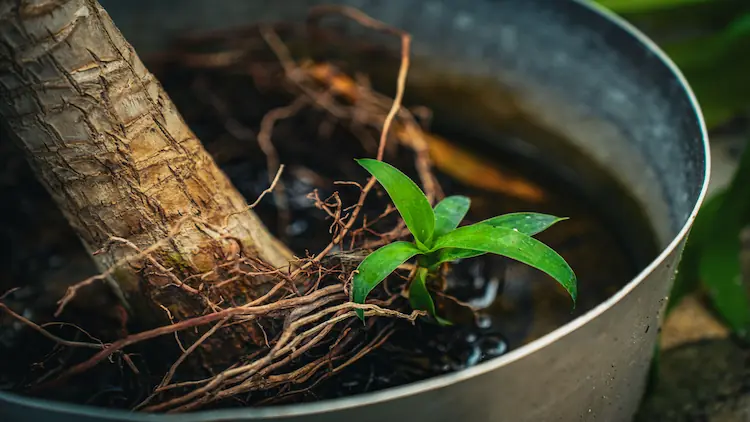
Leaving plants in standing water, which triggers root rot. When roots sit in mud, they cannot breathe oxygen. The roots turn black and slimy, and once that happens, the plant cannot absorb nutrients anymore.
It is a slow death sentence that starts completely out of sight underground.
Wetting only the top layer of soil, leaving deep roots completely dry. A quick sprinkle with the hose looks nice, but the water evaporates in minutes. You need to soak the ground so water reaches six inches deep. Shallow watering forces roots to stay near the surface, where they easily bake during hot summer days.
Incorrect Plant Placement :
Putting shade-loving plants under harsh, direct afternoon sunlight. The midday sun is brutal. If you plant delicate ferns or hostas where the sun beats down at 2 PM, they will crisp up and die regardless of how much you water them.
They need filtered woodsy light, not an open solar assault. Crowding too many plants together, which cuts off necessary airflow.
It is tempting to pack a bed to make it look full. But tight spaces trap humidity, creating the perfect breeding ground for mold and prevents sunlight from reaching the lower branches. Plants need personal space to breathe and catch the breeze.
Evaluating Your Soil and Fertilizer Mix
The foundation of a thriving backyard lies beneath the surface. Bad soil structure cuts off life lines to your greens. If your ground is unhealthy, you will constantly find your garden dying no matter how many expensive plants you buy.
Soil Issues :
- Compacted earth: Hard soil blocks air, water, and roots from moving freely. Walking over garden beds or using heavy machinery squashes the tiny air pockets in the dirt. Roots need those pockets to push through and grow. If the ground is as hard as a brick, roots simply starve because they cannot move.
- Bad drainage: Sandy soil drains too fast, while clay soil holds water like a sponge. Sand lets water run straight through before roots can drink. Clay holds onto water for days, creating a suffocating underground swamp. You need a balanced mix that holds onto just enough moisture without staying muddy.
Fertilizer Mistakes :
- Chemical burns: Using too much synthetic fertilizer fries the root system. High-nitrogen chemical salts suck moisture out of the roots instead of feeding them. It shows up as sudden, severe leaf scorch within days of application. It is much better to under-fertilize than to overdo it with synthetic powders.
- Nutrient starvation: Neglecting to feed the soil leaves plants weak and pale. Soil loses its natural food over time because plants eat constantly. If you never replenish the ground with fresh matter, your crops will slowly starve to death, losing their rich color and strength.
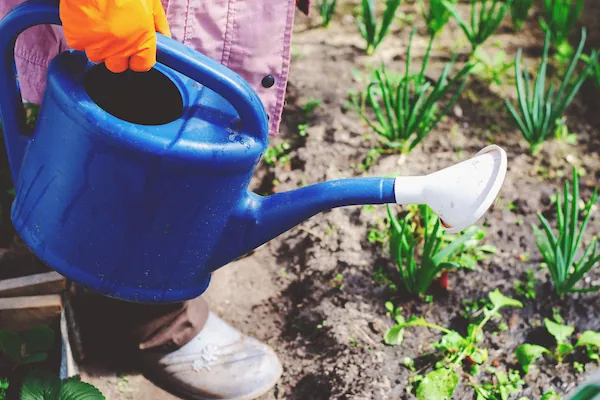
Practical Solutions to Save Your Dying Garden
You can reverse the damage with immediate, deliberate actions. Follow these steps to revive your space. Do not panic if things look bad right now. Most plants are tough and want to survive if you give them the right environment. Taking action today can halt a garden dying in its tracks.
Keep these 6 simple things in mind to always keep your Garden Green and Healthy :
Test the soil:
Check your soil pH and nutrient levels with a basic home kit. This stops the guesswork completely. If your soil is too acidic or alkaline, your plants cannot absorb the food that is already sitting in the ground. It locks the nutrients away, making your fertilizer completely useless.
Fix the watering routine:
Water deeply at the base of the plant during early morning hours. This gives the water time to soak deep into the soil before the sun gets hot. Avoid wetting the leaves, as wet foliage invites fungal spores to hatch and ruin your crops.
Add organic matter:
Mix compost into your dirt to improve texture and food content. Compost fixes everything. It helps sandy soil retain moisture, and it loosens up heavy clay so roots can breathe easily. One more thing: it feeds beneficial microbes that naturally protect your plants from diseases.
Prune dead parts:
Cut off infected or dead stems to stop diseases from spreading. Use clean, sharp shears. Removing dead weight allows the plant to redirect all its energy into growing fresh, healthy new leaves and roots instead of wasting power on dying limbs.
Apply mulch:
Put a layer of wood chips or leaves down to hold moisture and cool roots. A two-inch layer of mulch acts like a protective blanket. It blocks weeds from growing and keeps the soil damp so you do not have to water constantly. It saves water and your time.
Switch to organic food:
Use compost tea, fish emulsion, or manure instead of harsh chemicals. Organic fertilizers break down slowly. They feed the soil biology over time, meaning you never have to worry about accidentally burning your plants with harsh chemical salts.
Final Thoughts:
A dying garden is a clear sign of stress from water, soil, or pests. By inspecting the leaves, checking soil moisture, and switching to organic fertilizers, you can bring your plants back to life. Do not lose hope just yet. Regular observation and small daily checks are the best ways to keep your garden green, happy, and thriving all year long. Take it one plant at a time and enjoy the process of healing your soil.