I have been growing plants in my own home for years now, and I also have a dog who thinks every leaf on the windowsill is his personal salad bar. So when people ask me about pet friendly indoor plants, I do not just repeat a list I found somewhere. I tell them what I have actually seen work, and where most of these lists online quietly leave out the important part. That is exactly what this article is going to fix.
Why “Pet Safe” Does Not Always Mean What You Think
Most articles on pet friendly indoor plants just tell you “this one is safe” and move on. But nobody explains why. So let me explain it simply.
Plants become toxic to pets mostly because of two things:
- Calcium oxalate crystals: Found in plants like Pothos and Philodendron. These crystals are sharp at a microscopic level and cause burning, drooling, and swelling in the mouth and throat when chewed.
- Other natural toxins: Some plants like Lilies contain compounds that are dangerous even in small amounts, especially for cats, and can affect the kidneys.
A plant is generally listed as safe on the ASPCA database when it does not carry these compounds. But “safe” does not mean “meant to be eaten.” Even a completely non-toxic plant, if your pet eats a large mouthful of it, can cause vomiting or loose motions simply because it is fibrous plant matter and not food their stomach is used to digesting. This is a point almost every article skips, and I think it is the one thing pet owners genuinely need to know before they relax completely.
Cats And Dogs Do Not React The Same Way
This is another gap I noticed while going through the popular articles on this topic. Cat owners and dog owners are often given the exact same advice, which does not make full sense.
- Cats are natural nibblers. They chew on leaves out of curiosity, boredom, or because the texture feels good on their teeth. A cat is far more likely to take repeated small bites of the same plant over weeks.
- Dogs, especially puppies, tend to dig into soil or chew a plant once out of curiosity and then move on. The bigger risk with dogs is often not the leaves but eating potting soil, fertilizer pellets, or mulch mixed in the pot.
So if you have a cat, focus on plants with texture that is not too tempting to chew. If you have a dog, keep the pot and soil covered with decorative stones so digging is not an option.
Our Pet Friendly Indoor Plants List :
Below is the list I would actually recommend, based on what grows well indoors and stays genuinely non-toxic. I have also added the India-specific watering routine, since most international lists give advice that does not match our heat and humidity.
| Plant Name | Light Needed | Watering (India) | Safe For Cats | Safe For Dogs | My Note |
|---|---|---|---|---|---|
| Areca Palm | Bright, indirect | 2–3 times a week | Yes | Yes | Great for living rooms, also purifies air |
| Spider Plant | Bright to medium | When top soil feels dry | Yes | Yes | Very forgiving, good for beginners |
| Boston Fern | Indirect, humid corner | Keep soil moist, do not let it dry fully | Yes | Yes | Loves bathrooms with a window |
| Calathea | Filtered light | Every 2–3 days in summer | Yes | Yes | Leaves fold up at night, kids find it fun to watch |
| Parlor Palm | Low to medium light | Once or twice a week | Yes | Yes | Slow grower, good for small apartments |
| Haworthia | Bright light, no direct sun | Once every 10–15 days | Yes | Yes | Almost impossible to overwater by mistake if you follow this |
| Peperomia | Indirect light | Let soil dry between waterings | Yes | Yes | Compact, good for study tables |
| Bamboo Palm | Partial shade | Weekly | Yes | Yes | Handles low light corners well |
| Bird’s Nest Fern | Medium to low indirect | Moist but never wet-logged | Yes | Yes | Adds a tropical look without much fuss |
| Money Tree (Pachira) | Bright, indirect | Once soil is dry 2 inches down | Yes | Yes | Popular in Indian homes already for its “lucky” reputation |
| Ponytail Palm | Bright light | Rarely, it stores water in the base | Yes | Yes | Almost a succulent, great for forgetful waterers |
| African Violet | Bright, indirect | Water from below, avoid wetting leaves | Yes | Yes | Small flowering plant, good for kitchen shelves |
| Watermelon Peperomia | Bright, indirect | Top inch dry before watering | Yes | Yes | Unique striped leaves, kids love pointing it out |
| Cast Iron Plant | Low light, shady spots | Let it dry out between waterings | Yes | Yes | Honestly, this plant survives neglect |
| Orchid (Phalaenopsis) | Bright, indirect | Once a week, ice cube method works well | Yes | Yes | Long lasting blooms, good gifting option too |
A quick note here: this list is longer and more India-adjusted than what you will find on most pet friendly indoor plants roundups, on purpose. My experience has been that a plant recommended for a cold, dry country does not always behave the same in a humid Mumbai flat or a hot Delhi balcony, so I have kept only the ones that hold up well in our climate.
Placement Tips So A Safe Plant Does Not Become A Bad Habit
This is the part almost nobody covers, and it matters more than the actual plant list. Even a completely pet friendly indoor plant can create problems if your pet turns chewing it into a daily habit. Here is what has worked in my own home:
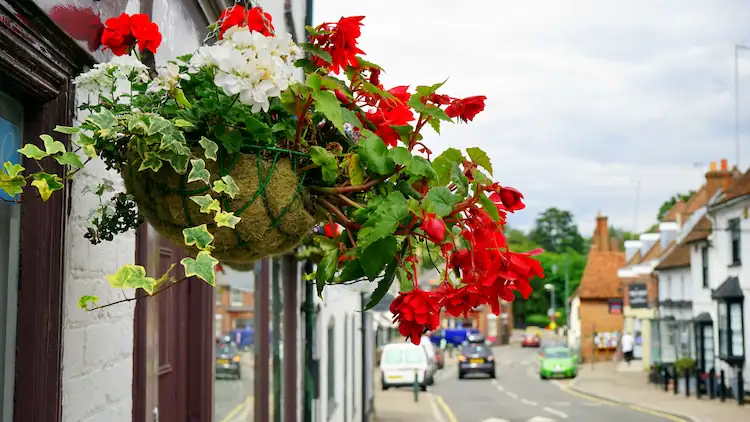
- Use hanging planters for trailing plants like Spider Plant and Peperomia, especially if your cat treats every low shelf as a jumping spot.
- Cover the soil surface with decorative pebbles or moss so dogs cannot dig and eat soil or fertilizer granules.
- Rotate plant placement every few weeks. Pets lose interest faster when the plant is not always in the same spot.
- Give your cat its own patch of cat grass. This sounds strange but it genuinely works. Cats that have their own grass to chew tend to leave the decorative plants alone.
- Avoid keeping fertilizer bottles or pesticide sprays anywhere near the pot, even organic ones, since curious pets sniff around the base of the plant more than the leaves themselves.
What To Do If Your Pet Still Eats Something
Even with the safest plants, it is worth knowing the basic steps, because panic wastes time:
- Try to identify exactly which plant your pet chewed, and keep a small leaf sample if possible.
- Check if your pet is showing any signs like drooling, vomiting, pawing at the mouth, or unusual tiredness.
- Call your veterinarian immediately and describe the plant and the amount eaten, even if you think it is one of the safe ones on this list.
- Do not try home remedies like inducing vomiting on your own unless your vet specifically tells you to, since some methods can do more harm than good.
- Keep your regular vet’s number and the nearest 24-hour pet clinic number saved in your phone, before you ever need it, not after.
I know most articles either skip this part entirely or bury it at the very end. I am putting it here on purpose because in my experience, this is the section people actually need when something goes wrong at 11 pm on a Sunday.
Caring For Pet Friendly Indoor Plants In Indian Weather
A big gap I noticed in most guides written for a global audience is that they completely ignore how our seasons behave. Here is what I would add specifically for Indian homes:
- During monsoon, cut down watering frequency for almost every plant on this list by half, since humidity in the air already keeps soil moist longer. Overwatering during monsoon is the number one reason indoor plants die in Indian homes.
- During peak summer, especially in North India, move plants slightly away from direct afternoon sun even if they are listed as “bright light” plants, since our summer sun is far more intense than what international guides assume.
- Common pests like mealybugs and fungus gnats show up more in Indian humidity. A simple neem oil spray, diluted properly, keeps both the plant and your pet safe, unlike chemical pesticides.
- Balcony versus indoor placement matters a lot here. Plants that are pet safe indoors can still attract stray insects or birds if kept in open balconies, so if your pet spends time on the balcony, keep the same safety rules in mind there too.
A Simple Checklist Before You Bring A New Plant Home
Before buying any new indoor plant, especially if you have a curious pet at home, run through this quickly:
- Have you checked the plant against the ASPCA non-toxic list, and not just the seller’s word?
- Is there a spot in your home where the pot is reachable but not the leaves, like a hanging basket or a high shelf?
- Do you have decorative stones or moss ready to cover the soil?
- Does your pet already have its own safe chewing option, like cat grass or a dog-safe chew toy, so it is not only relying on self-control?
- Do you know your vet’s number and the plant’s name well enough to explain it over a phone call if needed?
If you can say yes to most of these, you are genuinely ready, and not just going by a list someone else wrote.
Common Mistakes People Make When Choosing Pet Friendly Indoor Plants
I have noticed the same few mistakes happen again and again, so let me walk through them here rather than let you learn the hard way:
- Trusting the plant tag at the nursery: Many nurseries in India label plants as “air purifying” or “lucky” without mentioning anything about pet safety, simply because it is not something most buyers ask about. Always cross-check the botanical name against the ASPCA list yourself rather than relying on the shop tag.
2. Assuming all succulents are safe.:This is a common one. While Haworthia is fine, plants like Aloe Vera and Jade Plant, which also look like succulents, are actually mildly toxic to pets. So do not lump every “cactus looking” plant into the safe basket.
3. Buying based on looks alone: A plant might photograph beautifully for your living room, but if it sits at exactly the height your cat likes to jump to, you are setting yourself up for daily nibbling rather than the occasional curious sniff.
4. Forgetting that “safe” plants can still cause allergies: Some pets, just like people, can have mild skin irritation from brushing against certain leaves repeatedly, even non-toxic ones. If you notice your pet scratching more near a particular plant, it is worth moving it, even if it is technically on every pet friendly indoor plants list out there.
5. Ignoring the pot material itself: Plastic pots that are chewed on can cause more digestive trouble than the actual plant. Ceramic or terracotta pots are a safer bet if your pet likes to gnaw at things.
Avoiding these five mistakes alone will put you ahead of most first-time plant owners, pet or no pet.
Final Thought :
Growing a green home and keeping a pet happy are not two separate goals, they go together once you know which plants actually belong on your shelf. The plants in this list are not just non-toxic on paper, they are ones that hold up in real Indian homes, real Indian weather, and real curious pets who will absolutely test the theory at some point.
Pick a few from this list, place them with a little thought, and you will get the green home you wanted without spending your evenings worrying every time your cat sniffs a leaf a little too closely.