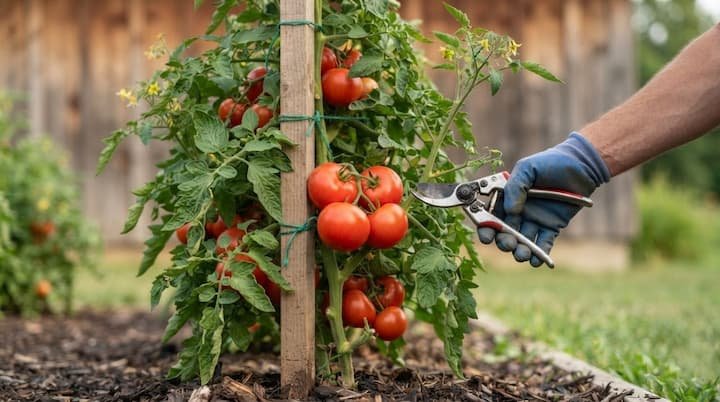
Why do two pepper plants growing side by side end up with such different harvests?
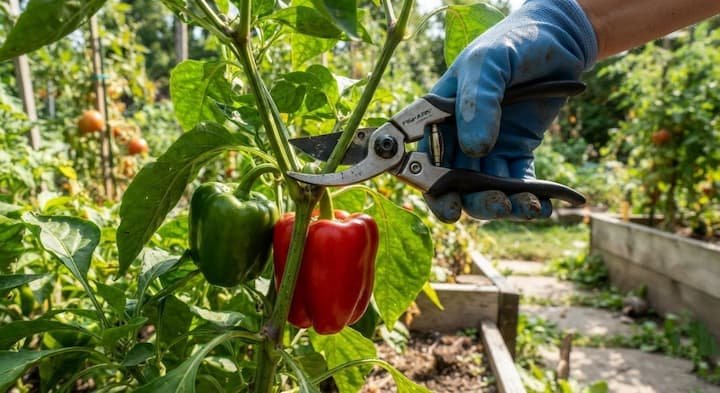
Often it comes down to a few small snips at the right moment. If you’ve wondered how to prune pepper plants without hurting them, the answer depends on your variety, your timing, and your climate. Here’s the full picture, one cut at a time.
Should You Prune Your Peppers at All?
Short answer: you don’t have to. Peppers grow and fruit fine without a single cut, and plenty of backyard growers never touch them. I think of pruning as a tool, not a rule. It pays off in some situations and does damage in others.
Prune when:
- Plants are tall, spindly, and flopping over.
- Leaves crowd the center and stay damp after rain.
- Lower leaves touch the soil.
- Fall frost is a few weeks away and fruit is still green.
Skip it when:
- Your growing season is shorter than about three months.
- The plant is sick, stressed, or sitting in heat above 90°F.
- You grow a naturally compact, bushy variety.
Skip pruning entirely and you may get leggy plants, crowded branches, and fewer peppers, but the plant will live. On a short summer, skip topping and heavy cuts. Bottom prune, pinch early flowers, and let the plant spend its energy on fruit.
Why Pruning Pepper Plants Is Worth the Effort
Done lightly, pruning pepper plants gives moisture fewer places to hide and gives the plant more places to flower. It stops spending energy on leaves that never see sun and puts it into branches and fruit instead.
- Better airflow, so fungal problems have a harder time starting.
- Less soil splash onto low leaves, which means less disease.
- Sturdier main stems that hold up under heavy fruit.
- Bushier growth with more flowering spots.
- More light reaching peppers in the center.
- Faster ripening late in the season, with fruit that often tastes sweeter.
Which Peppers Need Pruning: Small vs Large
Not every pepper responds the same way. Small-fruited types branch a lot and take heavier pruning. Big-fruited types have fewer branches and carry heavy peppers, so they get a lighter touch.
- Small types (jalapeño, serrano, habanero, Thai, cayenne): respond well to topping and regular thinning.
- Large types (bell, poblano, cubanelle): pruning bell peppers mostly means bottom cleanup and removing a few crossing branches, with no topping.
- Ornamental and very compact varieties: dead growth only, no topping.
- Not sure? Check the seed packet for the growth habit before you cut.
Tools and Prep Before You Cut
Healthy plants recover fast, so start there. The plant should be at least 6 inches tall with 2 to 3 sets of true leaves before you cut anything. Water the plant a day or two before pruning, check that it looks green and sturdy, and skip the job if it’s stressed or diseased.
Cut in the early morning or late afternoon while it’s cool, never in heat above 90°F. Pick a dry day too, since wet leaves and humid weather invite fungus. I like bypass pruners because they make clean cuts on thin stems.
- Sharp bypass pruners (6 to 8 inches), sharpened each season.
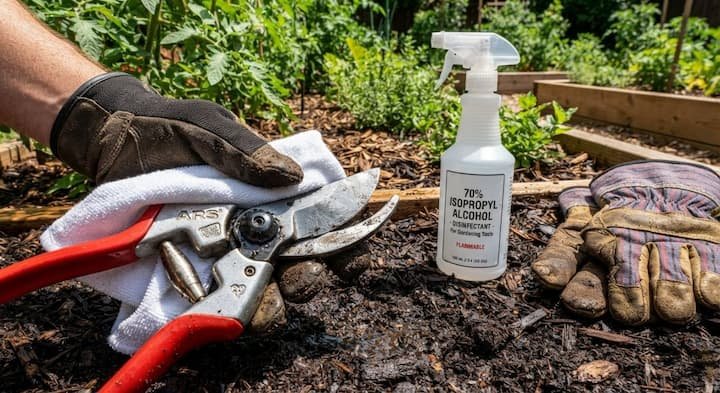
- 70% rubbing alcohol in a small spray bottle.
- Clean rag or paper towels.
- Light gloves, since hot pepper oils irritate skin.
- A 1 to 2 gallon bucket for trimmings.
- Soft ties or twine for support.
Wipe the blades between plants with alcohol or a diluted bleach solution. One dirty cut can carry disease across the whole yard.
When to Prune Peppers: Timing by Stage
Timing matters more than technique. In my experience, most damage comes from cutting too early or too late. If you’re wondering when to prune peppers in your area, count from your transplant date, not the calendar.
Plants you grew yourself, starting from seed, follow the same clock once they’re outside, and this guide on when to plant helps you pin that date down. In USDA Zones 4, 5, 6, 7 and 8, work backward from your first Fall frost so you know where the cutoff falls.
| Stage | Timing | What to do |
|---|---|---|
| Just transplanted | Weeks 0-2 | Pinch early flowers only |
| Establishing | 4-6 weeks after transplant, 12-18 inches tall | Bottom prune, and top small varieties |
| Growing | Every 2-3 weeks | Thin crossing branches and suckers |
| Heavy fruiting | Mid-summer | Dead or diseased growth only, and skip anything above 90°F |
| Late season | 4-6 weeks before first frost (32°F) | Stop shaping, then trim tips only in the final weeks |
How to Prune Pepper Plants Step by Step
Work from the bottom up, and spread the job over several weeks instead of one afternoon. Pinching flowers is listed fourth below, but on young plants it actually comes first.
These three cuts get mixed up a lot:
- Bottom pruning: clearing leaves from the lower stem to stop soil splash.
- Topping: removing the growing tip so a small variety branches out.
- Pinching flowers: removing early buds so a young plant builds roots first.
Step 1: Bottom Pruning, Lower 4-6 Inches
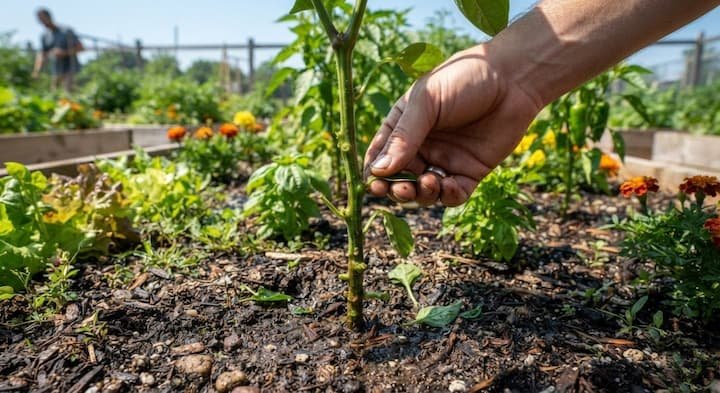
Strip the leaves and tiny shoots from the bottom 4 to 6 inches of the stem. Pinch them off at the base with your fingers or snip them clean. Those lower leaves get little light, hold moisture against the stem, and catch soil splash.
If you only do one thing from this guide, do this one. Large varieties can lose leaves up to the bottom 12 inches once they’re around 2 feet tall. Scrape off any leftover stubs, since pests like to hide in them.
Step 2: Topping Pepper Plants for a Bushier Frame
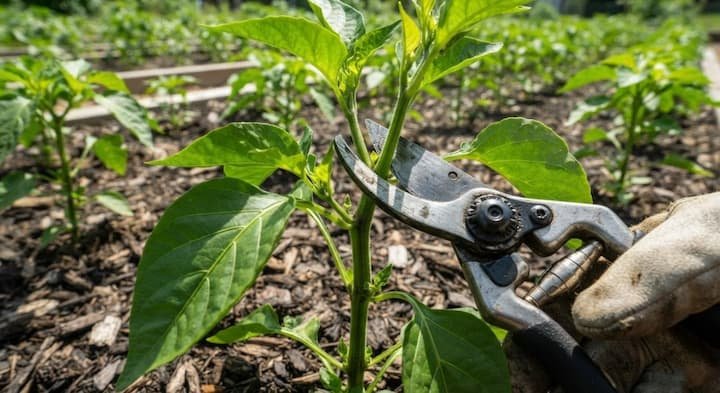
Topping works best on small varieties. Wait until the plant is about 12 inches tall with several sets of true leaves. Then cut the top 1 to 2 inches, just above a leaf node, at a 45-degree angle and about 1/4 inch above the node. The slant keeps water from pooling on the wound.
Growth stalls for a bit, then new side shoots show up within 7 to 10 days. You get more branches and more flowers, though the first harvest comes a little later.
The first Y fork, where the main stem splits in two, is your landmark: cut above a leaf node higher up, never below the fork, and leave the Y-shaped main branches alone since they carry the plant. For a gentler option, pinch off just the soft tip with your fingernails; it also helps leggy seedlings fill out.
Skip it when:
- The plant already has fruit set, since topping pepper plants at that point only delays the harvest.
- You’re growing large types like bells.
- Temperatures are above 90°F or the plant looks stressed.
- Your season is short.
Step 3: Remove Suckers and Crossing Branches
Suckers grow in the V where a branch meets the main stem. On large peppers, pinch off the ones below the first fork. On small varieties, leave most of them, since they add fruiting wood.
Snip any branches that cross or rub against each other, cutting at the base.
Step 4: Pinch Early Flowers
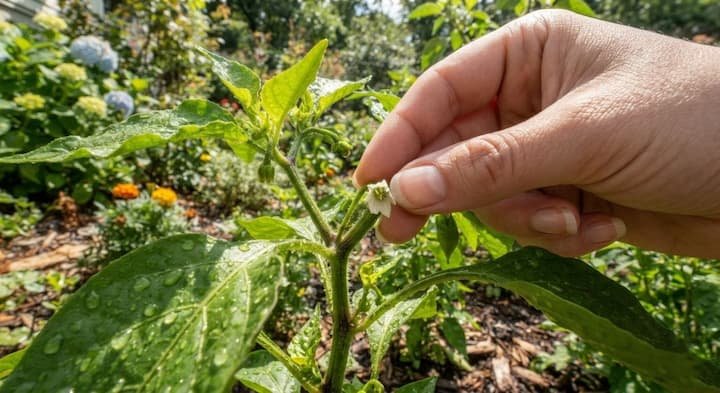
Flowers on a young plant look like good news, but they pull energy away from roots and leaves. If you see buds before the plant reaches about 12 inches, pinch them off.
Keep doing it for the first couple of weeks after transplanting. You lose a little time up front and get a stronger plant that carries more peppers later.
Step 5: Prune for Airflow and Sunlight
Every 2 to 3 weeks, remove inward-growing branches and any leaves blocking light to the center. You’re aiming for an open, vase shape where sun and air reach the middle.
Pick off fruit facing inward too, since it stays small and blocks airflow, and keep the outward-facing peppers that get full sun. Never strip more than 30% of the foliage at once.
Mid-Season Shaping, Size Control and Support
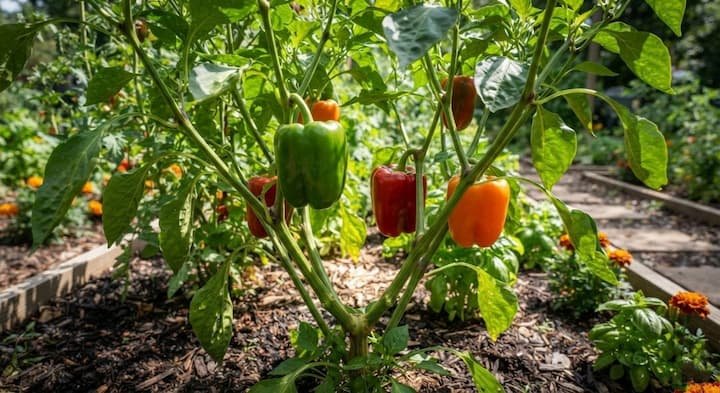
Pepper branches snap easily under a heavy load, so keep plants in check and give them support. Smaller plants also attract fewer pests. Balance is the goal, since heavy cutting stresses the plant.
Trim to hold a manageable height and width, and leave enough leaves to shade the fruit, since too much sun scalds peppers. Crowded plants make everything harder, so check raised bed spacing before you plant next time, and try pairing peppers with companion plants that don’t fight for light.
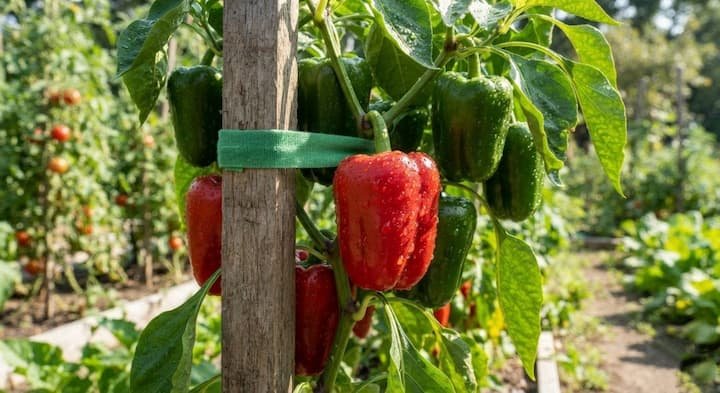
- Add a stake or small cage once plants pass 18 inches.
- Keep about 18 inches between plants.
- Trim for shape every few weeks, not all at once.
Check weekly and cut out problem growth right away:
- Dead, broken, or damaged branches.
- Leaves with spots, mold, or pests (bag them for the trash/garbage).
- Weak branches that never set fruit.
Late-Season and Fall Pruning
Stop shaping and heavy cuts about 4 to 6 weeks before your first frost, because new growth won’t mature in time. In the last 2 to 3 weeks, cut shoots back about 6 inches, or to just above the top fruit, so the plant puts everything into ripening. Pick green peppers before temperatures hit 32°F. They’ll color up indoors.
Pruning Peppers in Containers vs Garden Beds
Pots hold fewer roots, so plants stress faster. With my own container jalapeños, light touches work better than big cuts. Bottom prune for airflow on the patio, but keep the upper leaves to shade fruit on hot days
Use at least a 5-gallon pot, and see this guide on peppers in pots for the setup.
- Containers: lighter cuts, 5-gallon minimum, watch the heat.
- Garden beds and backyard rows: bigger root systems handle topping better.
- Greenhouse: let plants grow taller before you cut.
- Warm climates: peppers act like perennials, so shape them lightly once a year.
Overwintering Peppers: The Hard Prune Method
In frost-free climates peppers live for years, and you can keep one going indoors anywhere. Bring the plant inside before nights drop to 50°F, since frost at 32°F kills it. Strip off fruit, flowers, and most leaves, then cut the main stems back to about 8 inches.
Check for pests, set it in a bright window, water lightly, and skip fertilizer until new growth shows. This walkthrough on how to overwinter peppers covers the full routine.
Common Pruning Mistakes
I learned most of these the hard way. The most common slip in any community gardener plot is pruning bell peppers like jalapenos.
| Mistake | What happens | Fix |
|---|---|---|
| Cutting under 12 inches | Stunted roots and slow growth | Wait for 12-18 inches |
| Dirty pruners | Disease spreads between plants | Wipe with 70% alcohol |
| Removing over 30% of leaves | Shock and sunscald | Spread cuts over weeks |
| Cutting in heat above 90°F | Stress and flower drop | Prune on a cool morning |
| Topping large varieties | Late harvest, little gain | Bottom prune only |
| Cutting too close to the node | Damaged growth point | Leave 1/4 inch |
| Pruning right before frost | Tender new growth dies | Stop 4-6 weeks out |
| Cutting wet plants in humid weather | Fungal infection | Cut when leaves are dry |
Aftercare and Recovery
Water the plant after pruning and keep the soil evenly moist but not soggy. A light spray of water over the leaves also rinses off debris from the cuts. This guide on watering peppers has the amounts.
Feed lightly with a balanced fertilizer (something like 5-5-5) and skip heavy nitrogen, which grows leaves instead of fruit. Our breakdown of pepper fertilizer helps you choose, and a good soil mix speeds recovery too.
New growth should appear in 1 to 2 weeks. If the plant looks stunted, give it partial shade, steady water, and a check for pests or disease. If leaves start curling afterward, heat or water stress is usually the cause, and this piece on curling leaves explains the fixes.
I always jot the date and cuts on a plant tag, so next season has a record. Every plant reacts a little differently, so adjust your cuts as you watch it grow.
Cuttings and Trimmings
Healthy tips 4 to 6 inches long can root in water or moist soil. A little rooting hormone and a humid plastic bag help. Cuttings are clones, so you get the same plant. Trimmings from healthy plants go in the compost, but anything with spots, mold, or pests belongs in the trash/garbage, not the pile.
Does Pruning Really Boost Yield? What Research Says
Don’t expect magic numbers. A 2015 greenhouse study on potted ornamental peppers by Ribeiro and colleagues found that pruning delayed growth by 10 to 15 days, and in one variety it increased plant height by 25% (source).
Those were ornamentals, not food crops, but the trade-off is clear: every cut costs the plant some time. That’s why light, well-timed pruning beats heavy cutting.
Final Thoughts:
Now you know how to prune pepper plants without guessing: wait until about 12 inches, clean the lower stem, top only the small types, thin for airflow, and stop before frost. Keep your cuts light and your pruners clean, and the plants will pay you back with more peppers at your Fall harvest.