If you have ever watered your plants and watched a small cloud of tiny black flies lift off the soil, you already know how annoying gnats in plant soil can be. They are not dangerous to you, but they are one of those problems that keeps coming back if you only treat what you can see.
In this guide, we will walk through why these gnats show up in the first place, how to tell them apart from other flying insects, and a full step by step plan to clear them out for good, along with a few things that most guides on this topic never mention.
What Are Gnats in Plant Soil, Exactly?
The insects most people are dealing with are fungus gnats. They are small, dark, mosquito shaped flies, usually about the size of a fruit fly, and they do not bite people or pets. What makes them frustrating is their life cycle. Adult gnats lay eggs in damp soil, the eggs hatch into tiny larvae within about a week, and those larvae live in the top layer of soil feeding on fungus, decaying roots, and organic matter for around two weeks before turning into new adults. That means the flies you are swatting away are only one part of the problem. The soil underneath is where the real infestation is happening.
Gnats vs Fruit Flies vs Drain Flies: How to Tell Them Apart
This is where a lot of people get confused, because all three insects look similar at a glance and treating the wrong one wastes time.
| Feature | Fungus Gnats | Fruit Flies | Drain Flies |
|---|---|---|---|
| Where you find them | Hovering near soil, houseplants | Near ripe fruit, kitchen counters | Near sinks, drains, bathrooms |
| Body shape | Thin, mosquito-like legs | Round, tan or brown body | Fuzzy, moth-like wings |
| Flight pattern | Short, weak, jerky flights | Quick, darting movement | Slow, hovering near drains |
| What attracts them | Moist soil, decaying roots | Overripe or rotting fruit | Organic buildup in pipes |
| Do they bite | No | No | No |
If your flies are coming from the pots and not the kitchen counter, you are almost certainly dealing with fungus gnats, and the soil is where you need to focus your effort.
Why Do You Have Gnats in Your Plant Soil?
There is really one main reason behind most infestations, and that is moisture that sticks around for too long. A few common situations that create this problem:
- Watering on a fixed schedule instead of checking the soil first.
- Pots without proper drainage holes.
- Soil that stays wet because it is dense, old, or packed with organic matter.
- Low light and cooler rooms, which slow down evaporation.
- Bringing home a new plant that already had eggs or larvae in its soil.
- Reusing old pots or bags of potting mix that were stored somewhere humid.
None of this means you did anything wrong as a plant owner. Even people who have been growing plants for years run into this, especially during the cooler months when soil takes much longer to dry between waterings.
Are Gnats Actually Harmful to Your Plants?
In small numbers, gnats are mostly just an annoyance you swat away while watering. The real damage happens when the larvae population grows large enough to start feeding on tender roots, which is more common in seedlings, fresh cuttings, and plants that are already stressed from overwatering. Established, healthy houseplants can usually tolerate a mild infestation without much trouble, but a heavy one will show up as slower growth, yellowing lower leaves, or a plant that just seems to be struggling for no obvious reason.
Step by Step: How to Get Rid of Gnats in Plant Soil :
This is the part where most guides jump straight to sticky traps, but the order actually matters. Doing these steps together, rather than picking just one, is what makes the difference.
Step 1: Confirm You Actually Have a Gnat Problem
Before doing anything, it helps to check for larvae so you know how serious the situation is the potato slice test:
- Cut a raw potato into a slice about an inch thick.
- Lay it flat on top of the moist soil.
- Leave it overnight.
- Flip it over in the morning and look for small, clear or white worms with tiny black heads. That confirms larvae are present in the soil.
Step 2: Let the Soil Dry Out
This single step reduces the population faster than almost anything else, because larvae cannot survive without moisture.
- Stop watering completely for now.
- Let the top two inches of soil dry fully before watering again. For most houseplants this takes somewhere between five and ten days.
- Check by pushing a finger into the soil up to the second knuckle. If it still feels cool and damp, wait a bit longer.
- For plants that do not like to dry out completely, such as ferns, focus on drying the top inch or two rather than the entire pot, and move on to the larvae treatment below at the same time.
Step 3: Trap the Adult Gnats
Adults are the ones laying new eggs, so cutting their numbers down slows the whole cycle while you treat the soil underneath.
- Place one or two yellow sticky traps per pot, pushed into the soil near the base of the plant.
- Replace traps every week, or sooner if they get covered.
- A simple backup option is a small cup with apple cider vinegar and a drop of dish soap, which will catch a few extra adults, though it will not solve the soil problem on its own.
Step 4: Treat the Larvae in the Soil
This is the step that actually breaks the cycle. Pick whichever method matches how serious the infestation is.
| Method | Best For | How to Use | How Often |
|---|---|---|---|
| Hydrogen peroxide drench | Mild to moderate cases, fast results | Mix 1 part 3% hydrogen peroxide with 4 parts water, pour slowly over soil until it drains out the bottom | Once a week for 2 to 3 weeks |
| BTI (mosquito bits) | Recurring infestations, multiple plants | Soak 4 tablespoons in a gallon of water for 30 minutes, strain, and water plants with the liquid | Once a week for 3 to 4 weeks |
| Beneficial nematodes | Severe or long lasting infestations | Apply to damp soil following the package instructions, keep soil lightly moist for a week | As per product label |
A peroxide drench will fizz a little when it hits the soil, which is normal and simply means it is working. Whichever option you choose, adding a half inch layer of coarse sand or grit on top of the soil afterward makes it harder for new adults to lay eggs and gives you an extra layer of protection.
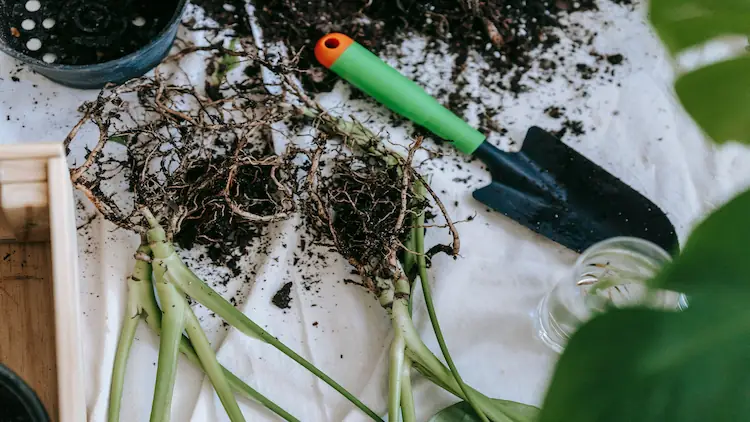
Step 5: Repot if the Problem Will Not Quit
If gnats are still showing up daily after three or four weeks of treatment, it is often faster to just reset the pot.
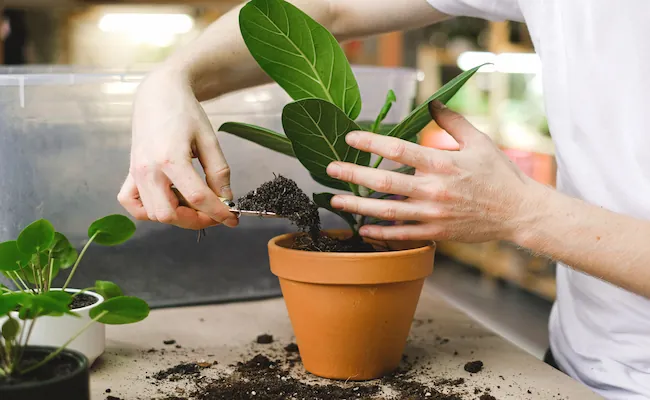
- Remove the plant and shake off as much old soil as you can.
- Rinse the roots gently with room temperature water.
- Wash the pot with hot soapy water, or a mild bleach solution rinsed well afterward.
- Repot using fresh, sterile potting mix with about 20 to 30 percent perlite mixed in for airflow.
- Do not compost the old soil indoors, since it may still contain eggs or larvae.
Is Treating Gnats Safe Around Pets and Children?
This is a question a lot of plant owners have and most articles skip over it entirely:
- BTI (mosquito bits) is a naturally occurring bacteria that only affects fly larvae, and it is generally considered one of the safer options around pets and kids once applied. Still, keep pets from drinking directly from the watering can or tray while it is being used.
- Hydrogen peroxide at the diluted ratio used for soil drenches is low risk, but it is a good habit to keep curious pets away from the pot until it has soaked in and stopped fizzing.
- Beneficial nematodes are living organisms that only target soil pests and are considered safe around people and animals.
- Whatever method you choose, it is worth keeping small children and pets from digging in freshly treated soil for a day or so, mainly just to avoid them tracking wet soil around the house.
What if the Infested Plant Is an Edible Herb or Vegetable?
If gnats show up in a kitchen herb pot, a lot of people worry about spraying anything near something they plan to eat. The good news is that the moisture and soil based approach above does not involve pesticides at all. Drying the soil, using sticky traps, and treating with BTI or a peroxide drench are all considered safe for edible plants since none of it lands on the leaves or fruit itself. If you are still not comfortable, a plain sand or grit top dressing combined with proper watering habits alone will usually clear a mild infestation on herbs without needing any drench at all.
Special Cases: Snake Plants and Lucky Bamboo
Snake plants almost always get gnats for one simple reason, and that is too much water. Since snake plants prefer to dry out almost completely between waterings, cut back to watering only every two to four weeks indoors, use a fast draining cactus or succulent mix, and make sure the pot has a drainage hole.
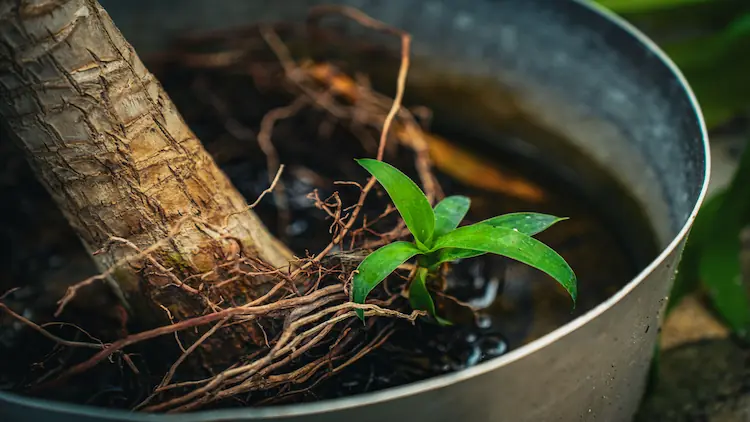
Lucky bamboo, on the other hand, is usually grown in water rather than soil, so the fix looks different:
- Take the plant out of its container.
- Rinse the roots gently, without scrubbing.
- Wash the container with hot, soapy water.
- Refill with fresh distilled or filtered water and clean stones.
- Change the water every seven to ten days until the gnats are gone.
If your bamboo is planted in soil instead of water, treat it the same way as any other houseplant, focusing on reduced watering and a weekly BTI treatment.
What About Outdoor Pots and Balcony Gardens?
Most guides on this topic only cover indoor houseplants, but gnats in plant soil are just as common in outdoor containers, especially during humid seasons or after heavy rain.
- Rain can undo your drying efforts quickly, so move outdoor pots under cover during long wet spells if possible.
- Raised pots or ones set on feet drain and dry faster than pots sitting flush on concrete or a balcony floor.
- Sticky traps still work outdoors but will also catch other harmless flying insects, so use them mainly as a monitoring tool rather than your main line of defense.
- BTI treatments work the same way outdoors as they do indoors, and are a better choice than chemical sprays if you have other plants, pollinators, or pets nearby.
Cost and Time Comparison
Since not everyone wants to spend the same amount of money or wait the same length of time, here is a rough comparison to help you pick a method:
| Method | Approximate Cost | Time to See Results |
|---|---|---|
| Drying soil only | Free | 1 to 2 weeks |
| Sticky traps | Low | A few days, mainly for monitoring |
| Hydrogen peroxide drench | Very low | 1 to 2 weeks |
| BTI (mosquito bits) | Low to moderate | 2 to 3 weeks |
| Beneficial nematodes | Moderate to higher | 2 to 4 weeks |
| Full repot | Moderate | Immediate, with monitoring after |
How to Stop Gnats from Coming Back
Getting rid of the current gnats in your plant soil is only half the job. Keeping them from returning depends on a few habits:
- Water only when the top one to two inches of soil are dry, not on a fixed weekly schedule
- Always use pots with drainage holes, and empty saucers after watering
- Mix in perlite or sand for better airflow in dense potting mixes
- Quarantine new plants for about two weeks before placing them near the rest of your collection
- Store extra potting soil sealed in a bin rather than left open in a garage or shed
- Clear away dead leaves from the soil surface regularly, since decaying matter feeds fungus and, in turn, the gnats
- Refresh the top layer of soil every twelve to eighteen months for long term houseplants
Common Mistakes That Keep Gnats Coming Back
- Only killing the adults with sprays or traps while ignoring the larvae in the soil.
- Watering on a routine instead of checking the soil first.
- Leaving pots sitting in a saucer full of water.
- Reusing old, unwashed pots.
- Bringing home new plants without checking or quarantining them first.
Final Thoughts :
Gnats in plant soil are annoying, but they are far from impossible to deal with once you understand what is actually feeding them. The real fix is never about killing the flies you can see, it is about drying out the soil and breaking the larvae cycle underneath. Combine a couple of these methods rather than relying on just one, stay patient for a couple of weeks, and your plants should be back to normal without much trouble. Once you get your watering habits sorted out, you will likely never deal with a serious infestation again.