I’ve been covering my tomatoes, peppers, and a couple of stubborn rose bushes every fall for close to eight years now, and I still remember the first time I lost half my Eggplant crop because I used an old bedsheet instead of a real cover.
That mistake taught me more than any product review ever could. So when people ask me what actually works, I don’t just repeat what’s written on the packaging I tell them what I’ve personally used, what tore in the wind, and what saved my plants during a surprise cold snap.
Why You Need the Best Frost Blanket for Plant Protection This Fall
Frost doesn’t wait for you to be ready. One evening the forecast says 40°F, and by morning your Zucchini leaves are black and mushy. I live in a spot that swings between Zones 4, 5, 6, and 7 depending on the season, and I’ve learned that a good frost blanket for plants isn’t a luxury it’s the difference between harvesting through November or throwing everything in the trash by mid-October.
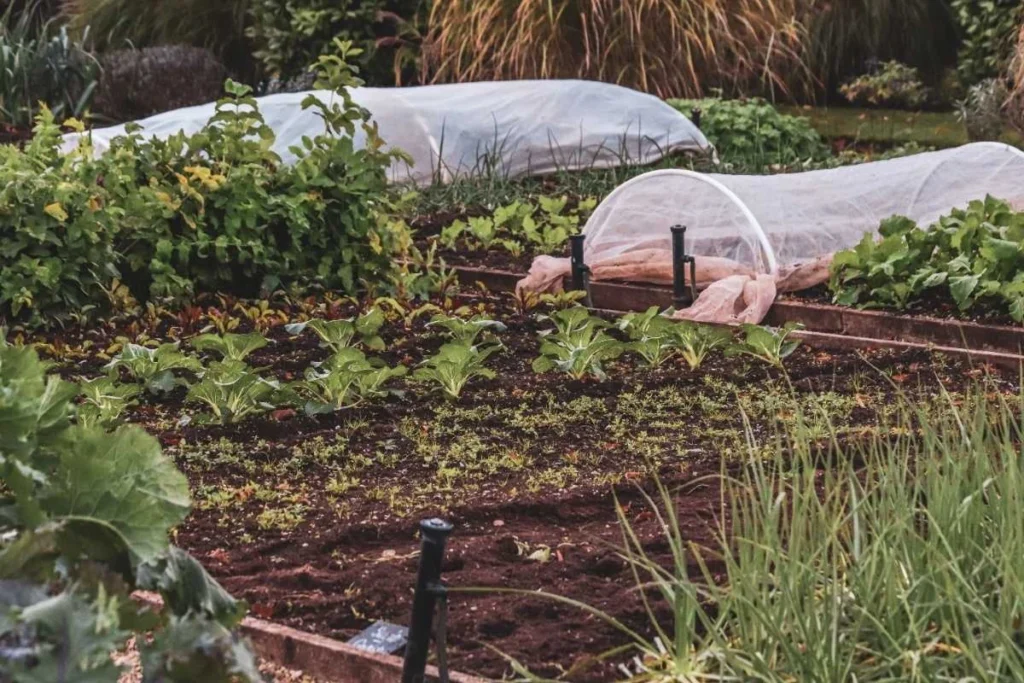
A frost cloth for garden plants works by trapping the heat that rises from the soil overnight. It doesn’t add warmth on its own; it just holds onto what’s already there. That’s why loose draping matters more than most people realize a tight cover pressed against leaves conducts cold straight through, while a loosely tented one leaves a pocket of warmer air underneath.
How I Choose a Plant Frost Protection Cover Every Year
Every October, before the first cold night hits my backyard, I go through the same checklist. It’s not complicated, but skipping even one step has cost me plants before.
- Weight matters more than brand name: A 0.5 oz to 1 oz fabric only buys you two or three degrees of protection fine for a light touch of frost, not for a hard freeze.
- Size should be generous, not exact: I always buy a size or two bigger than I think I need, because a tight cover pulls away from the ground the moment wind picks up.
- Breathability isn’t optional: If a cover doesn’t let air and light through, you’ll trade frost damage for mold and rot instead.
This is really the heart of picking the best frost blanket for plant protection it’s rarely about the flashiest product, it’s about matching the fabric weight to your actual winter, not the one on the box.
Material Types: What Frost Cloth Is Actually Made Of
Most frost blankets fall into two camps, and honestly, I’ve used both:
Non-woven polypropylene is what I reach for most often. It’s light, cuts easily, and drapes well over irregular shapes like a Courgette patch or a row of young Aubergine plants. It won’t survive rough handling for many seasons, but it’s cheap enough that I don’t mind replacing it every couple of years.
Woven fabric is heavier and noticeably more durable. I keep one large woven sheet just for my fruit trees because it survives being folded, stuffed in a bin, and dragged out again every winter without ripping at the seams.
If you’re gardening on Allotments or shared plots in the UK, I’d lean toward the woven option you’re not always around to fix a torn cover the same night, so durability buys you peace of mind.
Thickness and Temperature Ratings:
This is where I think a lot of articles fall short. They’ll tell you a blanket is “great for winter” without saying what temperature it actually handles. Here’s roughly what I’ve experienced with different weights over the years:
| Fabric Weight | Typical Protection | Best Used For |
|---|---|---|
| 0.5 oz/yd² | Down to 32°F (0°C) | Light frost, tender seedlings |
| 1.0–1.5 oz/yd² | Down to 28°F (-2°C) | Standard fall/autumn frost |
| 2.0–3.0 oz/yd² | Down to 20°F (-6°C) | Hard freeze, extended cold snaps |
I keep at least one heavier winter plant covers for frost option on hand every season, because the lighter ones simply give up once temperatures drop into the low twenties.
Sizing It Right for Your Yard or Garden
I always measure my plants at their widest point and add at least a foot of slack on every side. For raised beds I go even bigger, because I like to use stakes to create a small tent rather than laying the fabric flat on the leaves. In my backyard, I’ve found that undersized covers are the single biggest reason people think their frost blanket “didn’t work” it wasn’t the fabric, it was the fit.
Breathability: Why It Actually Protects Your Plants
A frost cloth for garden plants needs to breathe, or you’re just swapping one problem for another. I learned this the hard way with a plastic sheet years ago by morning, the underside was dripping with condensation and a few leaves had actually rotted from trapped moisture. Fabric covers let that moisture escape while still holding onto warmth, which is exactly why they’ve replaced plastic in most serious gardens.
Securing It So Wind Doesn’t Undo Your Work
This part rarely gets enough attention in the guides I’ve read:
- Use garden staples, stones, or soil to pin down every edge gaps let cold air sneak underneath.
- For taller plants, use stakes or a simple frame so the fabric doesn’t sit directly on the foliage.
- Check it again before bed if wind is forecast; I’ve lost a cover at 2 a.m. more than once.
Price: What’s Actually Worth Paying For
I don’t think you need the most expensive frost blanket for plants on the market. What I do think is worth paying for is UV resistance, because cheaper fabric breaks down after one or two summers left folded in a shed. I’d rather spend a little more once than replace a cheap one every single season.
Here’s roughly what I’ve paid over the years for a standard 10 ft x 12 ft cover, and how long each one actually lasted me in real use not just what the label promised:
| Fabric Weight | Approx. Cost (10×12 ft) | Cost per sq ft | Realistic Lifespan |
|---|---|---|---|
| 0.5 oz/yd² | $10–$15 | ~$0.10–$0.13 | 1–2 seasons |
| 1.0–1.5 oz/yd² | $18–$25 | ~$0.15–$0.21 | 3–4 seasons |
| 2.0–3.0 oz/yd² | $28–$40 | ~$0.23–$0.33 | 5+ seasons |
Looking at it this way, the mid-weight option almost always works out cheaper per season than the bargain one, simply because I’m not buying it fresh every single fall.
Care and Storage Between Seasons
After the season ends, I shake mine out, let them air dry completely, and fold them loosely into a breathable bag never a sealed plastic tub, because that traps moisture and invites mildew. A little care here means the same cover survives four or five winters instead of one.
What Most Buying Guides Leave Out
Having read through a fair number of these articles myself, I noticed they rarely mention the things that actually change how well a cover performs:
- Exact temperature protection per fabric weight most just say “great for cold weather.”
- Wind securing methods beyond a vague mention of “ties.”
- Plant-specific advice a Zucchini seedling and a mature fruit tree don’t need the same approach.
- How long a cover actually lasts with real use, not just a marketing claim.
If I’m honest, that gap is exactly why I wanted to write this out in my own words instead of just repeating what’s already out there.
Final Thoughts:
After years of trial and error, my honest take is this: the best frost blanket for plant protection isn’t the priciest one or the one with the most reviews it’s the one whose weight actually matches your coldest night, sized generously, and secured properly against wind. Get those three things right, and whether you’re tending a backyard in Zone 5 or an allotment through a damp English autumn, your plants have a real shot at making it through the cold in one piece.