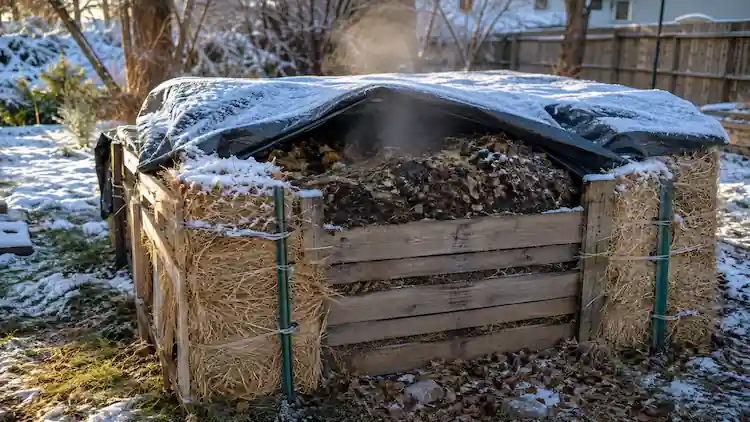
Ever wonder what happens to the two billion cups of coffee brewed around the world every day, and why most of those grounds just get scraped straight into the trash/garbage can?
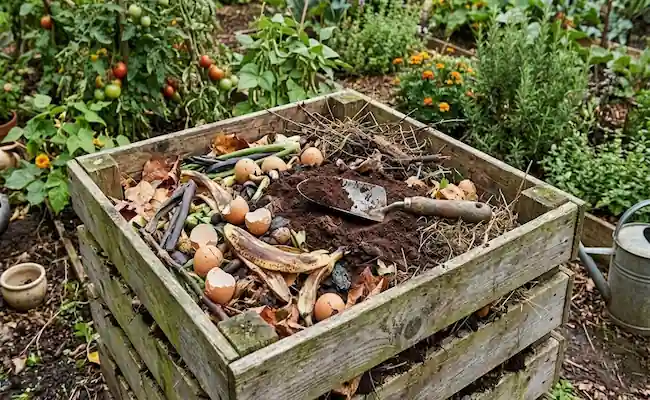
Here’s the thing those damp brown grounds sitting in your coffee maker right now could be doing real work in your backyard instead of a landfill. Learning how to use coffee grounds as compost is one of the simplest habit changes I’ve made in my own yard, and once you see the numbers behind it, I think you’ll want to try it too.
Are Coffee Grounds Actually Good for Compost?
Short answer: yes, but with a few caveats people skip over. Composting coffee grounds is worth the effort because used grounds add organic matter, hold onto moisture, and feed the microbes that break down your pile faster. Grounds also carry small amounts of nitrogen, phosphorus, and potassium the same three nutrients you’d look for on a fertilizer bag.
One myth I hear constantly: “coffee grounds are too acidic for compost.” Not really true. Fresh coffee beans are acidic, but most of that acidity dissolves into your actual cup during brewing. Used grounds land close to neutral pH, which is why they mix fine with almost any pile without throwing off your soil chemistry.
Two things worth knowing before you start:
1. researchers with the Oregon State University Extension Service found that coffee grounds, used in moderation, improve soil structure and even help control slugs in garden beds a nice bonus if slugs have been chewing through your Zucchini or Eggplant seedlings (source).
2. the University of California Cooperative Extension notes that used grounds run about 2 percent nitrogen by volume, which is strong enough that they’re commonly recommended as a safer substitute for manure in home compost, without the pathogen concerns manure can bring (source).
Fresh Grounds vs. Used Grounds and Decaf
Used grounds the kind sitting in your filter after brewing are what you want for compost. They’re already wet, broken down slightly, and safe to handle. Fresh, unused coffee is far more acidic and stronger in caffeine, so I wouldn’t dump raw beans or fresh grounds straight into a pile.
Decaf grounds work exactly the same way as regular. The caffeine content difference is too small to change how they break down, so don’t feel like you need to sort your grounds by type before tossing them in.
Honestly, I dump both into the same bucket without a second thought.
Where to Find Enough Grounds for a Coffee Grounds Compost Pile
Your own kitchen will only get you so far most households produce maybe a cup or two a day, and I noticed the same thing when I first started saving mine. If you want more, ask your local coffee shop.
Many cafes bag up used grounds for free, and Starbucks has run its “Grounds for Your Garden” giveaway program for years. I’ve also seen offices set up a bucket by the break room coffee maker just for this.
If you’re part of a community gardener group, pooling grounds from several households is an easy way to build volume fast.
How to Use Coffee Grounds as Compost: Getting the Ratio Right
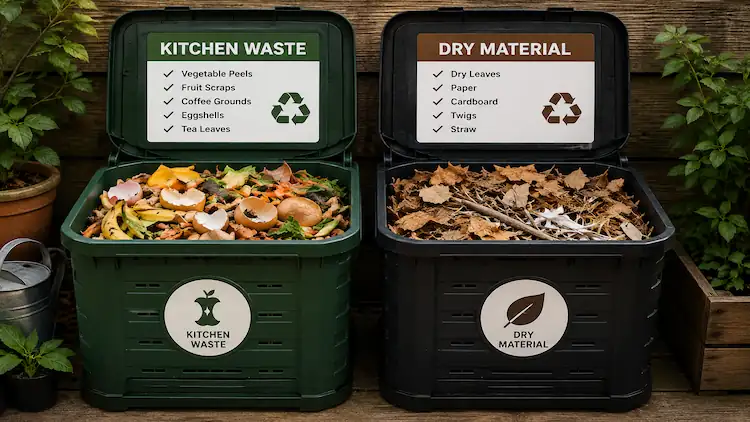
This is where most people go wrong. Coffee grounds count as a “green,” nitrogen-rich material, not a “brown.” That means they need to be balanced with carbon-heavy stuff like dry leaves, shredded cardboard, or straw.
The general guideline, backed by extension research, is to keep coffee grounds at no more than 20 to 25 percent of your total pile volume. Go much higher and the pile can turn slimy, smelly, and short on oxygen.
| Compost Material | Type | Suggested Mix |
|---|---|---|
| Used coffee grounds | Green (nitrogen) | Up to 1/4 of total volume |
| Dry leaves / shredded paper | Brown (carbon) | 2–3 parts per 1 part grounds |
| Grass clippings | Green (nitrogen) | Optional, small amount |
For a standard backyard bin around 3 feet by 3 feet, that works out to roughly one 5-gallon bucket of grounds mixed with two to three buckets of dry leaves or shredded cardboard.
In my experience, if you fall behind on brown material, just rake up whatever’s on the Yard from Fall cleanup and stash a few bags near the bin they’ll keep for months, and you’ll always have carbon ready whenever you add a fresh batch of grounds.
It also helps to know that coffee grounds run a much lower carbon-to-nitrogen ratio than most people expect closer to 20:1 compared to something like dry leaves at 30:1 or shredded newspaper at 50:1.
That’s exactly why they need more brown material mixed in than an equal scoop of leaves would.
Four Ways to Compost Coffee Grounds
You don’t need a fancy setup. Pick whichever method fits your space:
- Direct to soil: Sprinkle a thin 1/4-inch layer around plants, then cover with mulch or leaves so it doesn’t crust over and block water.
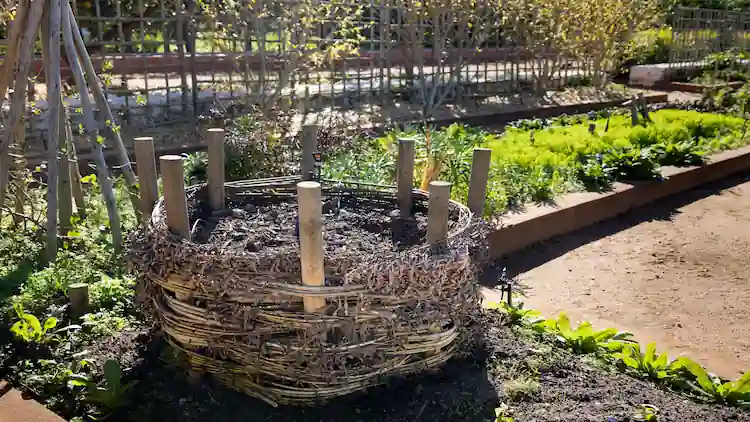
- Traditional pile or tumbler: Mix grounds in with your regular greens and browns and turn the pile weekly. If you’re starting from scratch, this guide to compost at home walks through the basics.
- Bokashi bin: An indoor fermentation method that breaks down grounds and food scraps in about 4 to 6 weeks.
- Worm bin: Worms genuinely love coffee grounds. Add them gradually so your worms get used to it, and you’ll end up with rich worm castings you can use indoors or out.
What Else Can Go in With the Grounds
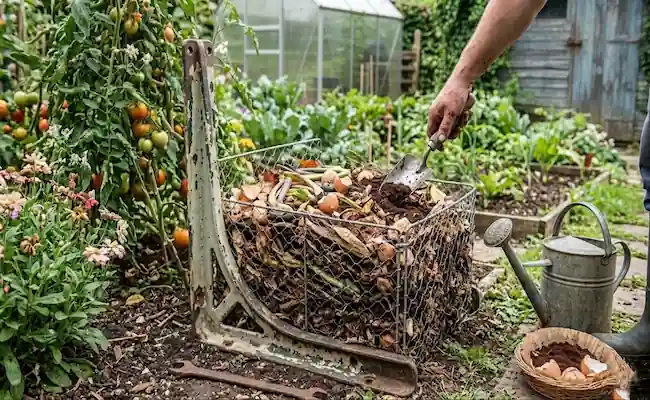
Coffee grounds mix well with fruit and vegetable peels, eggshells, and used tea bags. Paper coffee filters are compostable too, as long as they’re unbleached. What you want to keep out of any compost bin is meat, dairy, and oily leftovers those attract pests and slow everything down, coffee grounds or not.
Fixing Common Problems
A few issues come up again and again when adding coffee grounds to compost, and I think most of them come down to just one habit dumping too much in at once:
- Bad smell: Usually means too much nitrogen and not enough air. Mix in more dry brown material and turn the pile.
- Pests or ants: Bury fresh scraps deeper in the pile instead of leaving them on top.
- Soggy, compacted pile: Grounds are dense and mat together easily. Break them up with a fork before adding, and don’t dump a huge batch at once.
- Mold on stored grounds: If they’ve been sitting wet in a sealed container, toss the moldy portion it’s not worth the risk. Spread grounds out to air-dry before storing if you’re saving them up.
- Slow decomposition in cold weather: Piles stall out once temperatures drop toward 32°F. If your compost slows down every year, this piece on winter composting has some fixes worth trying.
Keeping Pets and Plants Safe
Used coffee grounds still hold trace caffeine, and that can be genuinely harmful to dogs if they get into a pile and eat a large mouthful.
Keep bins covered or fenced off if pets have yard access the same caution matters if you’re also composting dog waste in the same space, since that needs its own separate handling. On the plant side, grounds are a nice touch of extra nitrogen for acid-tolerant plants, but there’s no need to reserve them only for those beds finished compost is close to neutral pH.
Composting Coffee Grounds in Small Spaces
No Yard or backyard? That’s not really a dealbreaker.
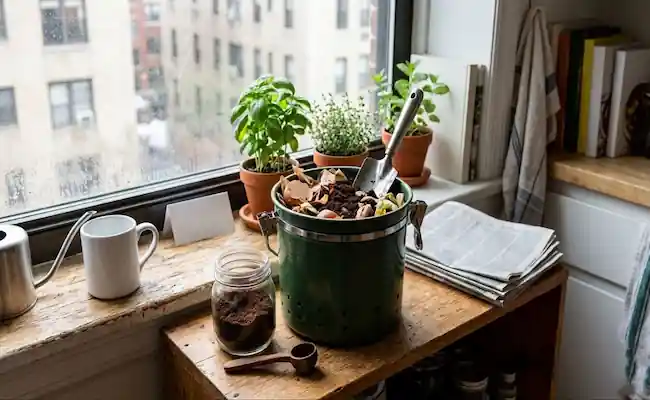
A worm bin fits under a kitchen sink or on an apartment balcony, and it handles coffee grounds just as well as a big outdoor pile actually better, since worms process them fast without any smell if you keep the ratio right.
A small sealed tumbler works too, and even a simple 5-gallon bucket with a lid can hold you over until you find a bigger pile to add to, whether that’s a neighbor’s bin or a community gardener plot nearby. I’ve kept a worm bin going in a small apartment before, and honestly it was less messy than I expected.
Using Finished Coffee Ground Compost in Your Garden
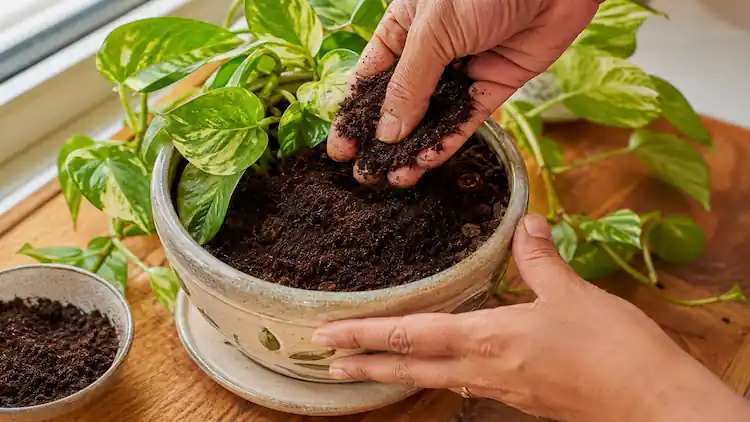
Once it’s broken down, work your finished coffee ground compost into garden beds, raised beds, or around Zucchini, Eggplant, and other heavy feeders. Gardeners in USDA Zones 4, 5, 6, 7 and 8 can all use it the same way it’s a soil amendment, not a climate-specific product.
I like top-dressing around shrubs after the pruners have been through in early spring, then letting rain work the compost in naturally rather than digging it in by hand.
How Long Before It’s Ready
| Method | Approximate Time |
|---|---|
| Direct soil application | Breaks down as it sits, 1–2 months |
| Traditional pile (turned weekly) | 3 to 6 months |
| Bokashi | 4 to 6 weeks |
| Worm bin | 2 to 3 months |
Final Thoughts:
At this point, you’ve got the full picture of how to use coffee grounds as compost the right ratio, the best method for your space, and the mistakes worth avoiding. It’s a small routine that turns something you’d otherwise scrape into the Trash/Garbage into real value for your Yard. Give it a few weeks, and you’ll probably wonder why you didn’t start sooner.