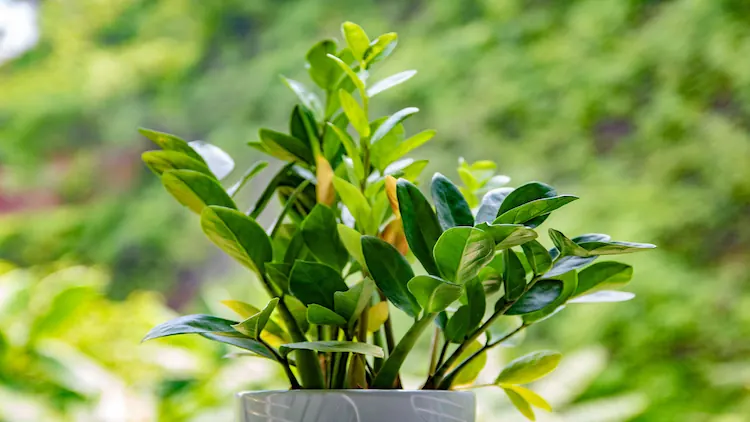
Ever notice how one ZZ plant sits happy in a dim office corner for years, while another one just a few feet from a sunny window starts turning yellow and dropping leaves?
That contradiction is exactly why people get confused about zz plant light requirements. This plant tolerates shade, sure, but tolerating a spot and actually thriving in it are two very different things. In this guide, I’ll walk you through how much light your Zamioculcas zamiifolia really needs, how to measure it in your own home, and what to do when your plant is clearly asking for a change.
Why This Plant Tolerates Low Light So Well
ZZ plants come from the shaded, dry forest floors of East Africa, where tall trees block most direct sun and rainfall is scarce. Over generations, this plant developed thick underground rhizomes and waxy, glossy leaves that store water and slow moisture loss the same traits that let it survive weeks of low light without much stress.
That native background is really the whole reason this plant’s tolerance for shade is so much higher than most other houseplants you’ll find in a US home.
How Much Light Does A ZZ Plant Need?
The short answer: bright, indirect light for 6 to 8 hours a day gets you the best growth, but this plant can survive on far less. I like to think of it in two categories light for survival and light for real growth. A dim hallway keeps it alive; a bright, filtered spot near a window is what actually pushes out new stems.
A few things to keep in mind when you’re figuring out light for zz plants in your own space:
- Direct, unfiltered sun will scorch the glossy leaflets within a day or two.
- Low light won’t kill it, but you’ll get slower growth and a duller leaf color.
- Artificial light (office fluorescents, LED lamps) works fine as a supplement or even a sole source.
- Zamioculcas zamiifolia light requirements are actually lower than most people assume that’s the whole reason this plant became a community gardener favorite for offices and low-light apartments.
If you’re still working out the basics of watering, soil, and general upkeep alongside light, this ZZ plant care guide covers the rest of what this plant needs.
ZZ Plant Light Requirements Explained With Foot-Candles
Foot-candles are the easiest way to actually measure light instead of guessing based on how bright a room “feels” to your eyes. Here’s where two real studies come in handy.
Researchers at the University of Florida IFAS found that ZZ plants can grow and produce new leaves under an interior light level of just 25 foot-candles for more than a year proof of how shade-tolerant this plant really is. On the flip side, University of Missouri Extension classifies “low light” houseplants as needing 50 to 250 foot-candles for steady, healthy growth, with better results toward the higher end of that range.
Putting those two data points together, I’d say anything from 75 to 500 foot-candles of indirect light is the sweet spot indoors. Below 25, your plant survives but basically stalls. Above 1,000, you’re in scorch territory.
| Light Level | Foot-Candles | Typical Spot in a US Home | What Happens |
|---|---|---|---|
| Deep shade | Under 25 | Windowless bathroom, closet | Survives, no new growth |
| Low | 25–75 | North-facing room, far from window | Slow, steady growth |
| Medium | 75–250 | 5–8 feet from an east/west window | Healthy, compact growth |
| Bright indirect | 250–500 | 2–4 feet from an unobstructed window | Best growth, glossy leaves |
| Direct sun | 1,000+ | Right on the sill, south exposure | Leaf scorch, bleaching |
Best Window Direction For Your ZZ Plant
I’ve moved my own ZZ plant around the house more times than I’d like to admit, and window direction genuinely does make a difference.
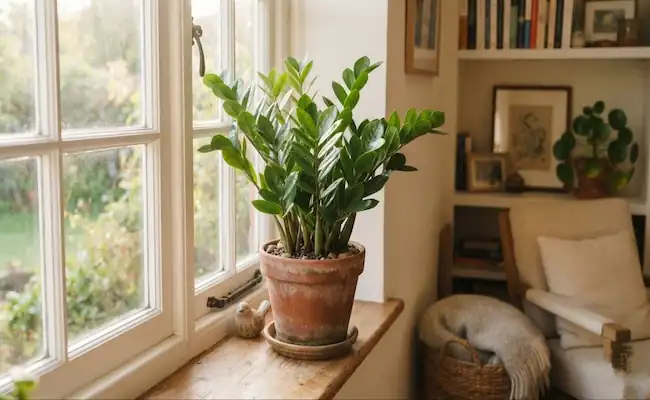
- East-facing windows: are usually the safest bet gentle morning sun, no harsh afternoon rays.
- North-facing windows: give consistent, low-to-medium light all day. Fine for a low-maintenance spot.
- South-facing windows: deliver the most light but need a sheer curtain or 4-6 feet of distance to avoid burning the leaves.
- West-facing windows: get intense afternoon sun, so treat them like a south window and add some buffer distance.
A common mistake I see is placing the pot dead center of a windowless room and expecting it to thrive it won’t die, but it won’t look great either. Instead, favor a spot within a few feet of natural light, even if it’s indirect.
Simple Tricks To Boost Natural Light Indoors
If your only “good” spot is a dark corner, you don’t necessarily need a grow light right away. A couple of low-cost fixes:
- Place a mirror where it catches window light and reflects it toward the darker corner of the room.
- Paint the wall nearest the plant a lighter color white or cream walls bounce a surprising amount of extra light back onto the leaves.
- Keep leaves dust-free with a damp cloth; a dusty leaf surface blocks a chunk of the light it would otherwise absorb.
How To Check Your Plant’s Light Without A Meter
You don’t need fancy equipment to get a rough read on your light situation. I usually just watch the shadows a plant casts:
- A sharp, well-defined shadow at midday usually means the spot is getting close to direct sun.
- A soft, blurry shadow means you’re in bright indirect light generally the target zone.
- Almost no visible shadow at all points to low light, which is still workable for a ZZ plant, just slower.
For a more accurate read, jot down the light level at a few spots in your home every hour or two for a single day this simple light map makes it much easier to pick the right corner for every plant you own, not just your ZZ. Cheap light meter apps on your phone can also give you a foot-candle or lux estimate if you want something more exact.
Do All ZZ Varieties Need The Same Light?
Not quite, The standard green ZZ plant is the most shade-tolerant of the bunch, but the darker “Raven” variety with its near-black leaves actually needs a bit more bright, indirect light to hold onto that deep color.
In low light, Raven leaves often shift back toward green over time since the plant needs more light energy to maintain that darker pigment. If you’ve got a Raven ZZ, lean toward the brighter end of the ranges in this guide.
Signs Your ZZ Plant Isn’t Getting Enough Light
Your plant will tell you, if you know what to look for:
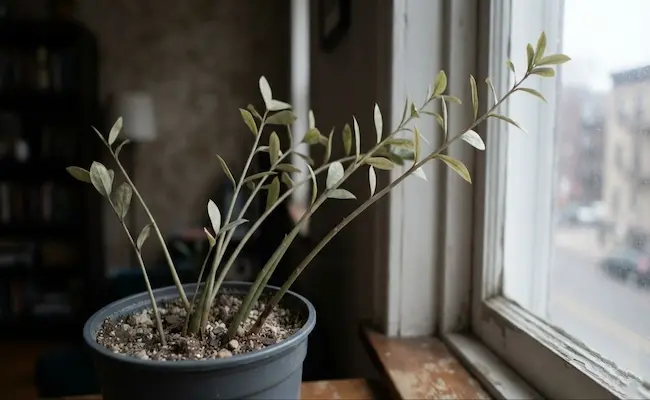
- Long, stretched-out stems reaching toward a window (called leggy growth).
- New leaves noticeably smaller than older ones.
- Pale, washed-out leaf color instead of deep green.
- No new growth for 6 months or more.
If pale or yellowing leaves are your main concern, I’d also check out this breakdown of why ZZ plant leaves turn yellow, since low light and overwatering often show up looking almost identical.
Signs Of Too Much Light: Yes, It’s Possible
People assume this plant can’t get “too much” light, but I’ve burned a few leaves myself learning that direct sun is a real problem.
Watch for:
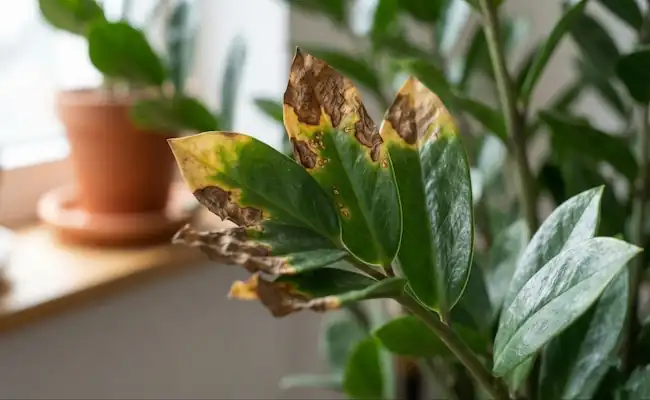
- Brown, crispy patches on leaves facing the window.
- Yellow leaf tips that spread and eventually brown.
- Bleached or faded spots where sun hits directly.
- Stems leaning away from the light source (unusual, but it happens).
If you spot a few damaged leaflets, grab your pruners and trim them off close to the stem rather than leaving damaged tissue on the plant it won’t recover, and removing it lets the plant focus energy elsewhere. Before you toss the trimmed leaves in the trash, check the rest of the plant for early scorch signs so you can move it sooner rather than later.
Grow Lights: When And How To Use Them
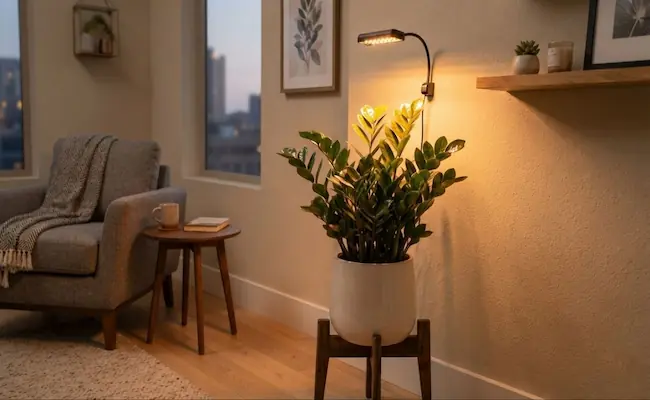
If your apartment doesn’t get much natural light, a basic LED or fluorescent grow light solves the problem completely.
Here’s what’s worked well in my experience:
- Use a 10 to 15-watt LED grow light, positioned 12 to 24 inches above the plant.
- Run it for 8 to 10 hours a day, similar to a natural daylight cycle.
- Younger plants can sit closer, around 6 to 12 inches from the light source.
- Full-spectrum bulbs mimic outdoor light better than plain white LEDs.
Unlike sun-hungry vegetable garden plants such as zucchini or eggplant, which practically demand all-day direct sun in the backyard, a ZZ plant does fine with modest artificial lighting alone no greenhouse setup required.
Light, Humidity, And Repotting
Light doesn’t work in isolation a couple of related factors matter too. Low humidity paired with bright light can dry out leaf tips faster, so a light misting or a spot away from heating vents helps in brighter locations.
Also, a plant that’s just been repotted needs a few weeks in slightly gentler light to recover before you move it back into a bright spot; fresh roots handle stress poorly when combined with strong light at the same time.
Seasonal Light Adjustments Through The Year
Light conditions shift a lot between seasons, and your plant’s placement should shift with them:
- Spring and summer: Natural light is strongest, so you can keep your plant a bit farther from the window.
- Fall: As daylight hours shorten, move the pot a foot or two closer to the window to compensate.
- Winter: This is when most light-related problems show up. Pair reduced light with reduced watering roughly a quarter gallon every 3 to 4 weeks is plenty during this slower period.
For more on adjusting care through the cold months, this ZZ plant winter care guide goes into more detail, and this watering schedule guide pairs well with it since light and watering needs move together.
Taking Your ZZ Plant Outdoors
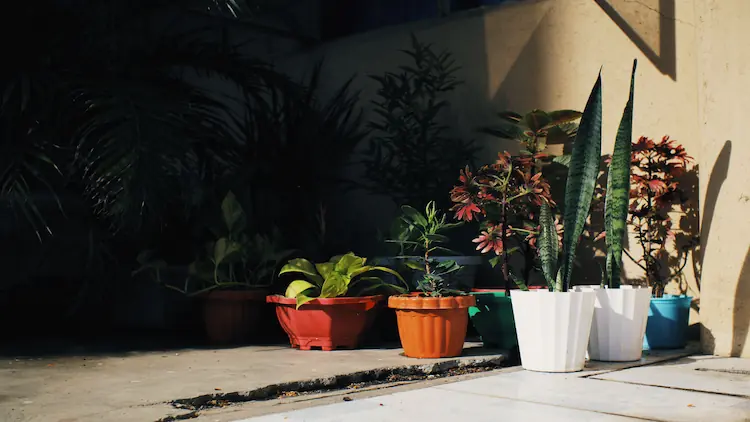
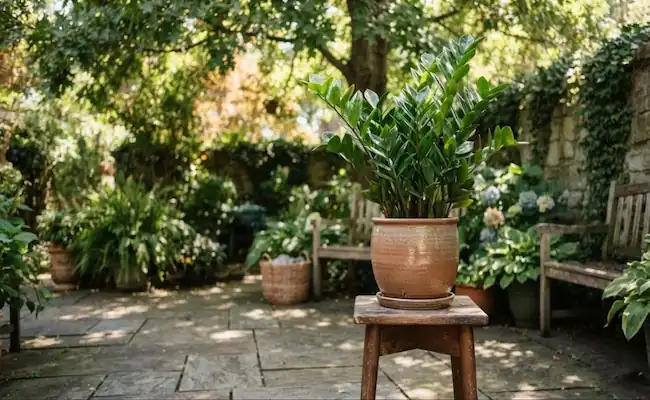
If you live somewhere in USDA Zones 9 to 11, you can move your ZZ plant to a shaded patio, porch, or backyard spot once nighttime temperatures stay reliably above 60°F.
A few pointers I’d pass along to any community gardener trying this for the first time:
- Choose a spot with dappled shade, like under a tree canopy never full afternoon sun.
- Bring the plant back indoors once nighttime temps drop near 32°F.
- Increase watering slightly since outdoor air and wind dry out the soil faster.
- Keep the pot up on a stand or shelf rather than ground level if pets roam the yard, since all parts of this plant are mildly toxic if chewed.
- If the plant has filled out its pot in a bright outdoor spot, it’s also a great time to try propagating a few leaf cuttings in water for new plants.
Final Thoughts:
At the end of the day, getting zz plant light requirements right isn’t complicated it just takes a little observation. Give your plant bright, indirect light for most of the day, keep it out of direct sun, and adjust its spot as the seasons change. I think that’s really the whole secret behind a ZZ plant with rich, glossy color and steady new growth, whether it’s sitting in your living room, your home office, or a shaded corner of the yard.