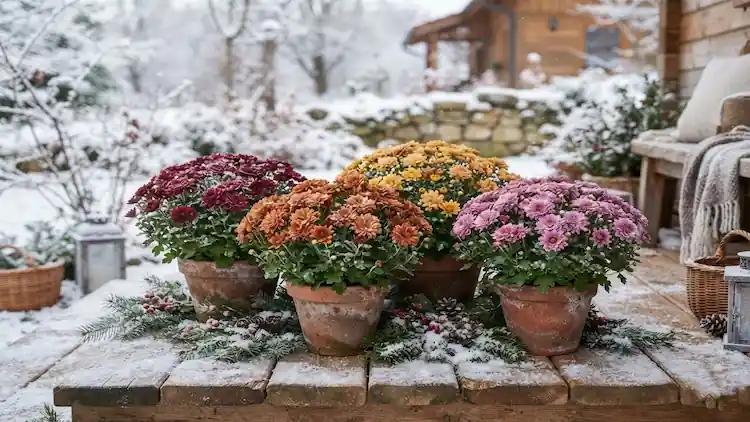
Why do some petunias come back strong in April while their neighbors turn to mush by Christmas? It usually comes down to what happens in the few weeks before your first frost, not the winter itself. Most backyard petunias are tender perennials, and they can live two to three years if you move them somewhere safe.
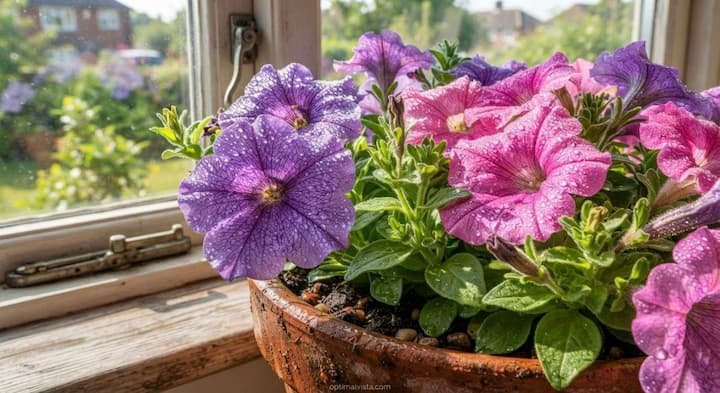
Short answer: cut them back, check for bugs, bring them in before 32°F, then give them bright light and very little water. This guide covers overwintering petunias indoors for spring from start to finish, including cuttings, dormancy, and what to do when the leaves drop.
Is Overwintering Petunias Indoors for Spring Worth It?
I think the answer depends on the price tag. A cheap flat of bedding petunias from the garden center rarely earns the effort, but a hybrid that cost $4 or more, or a favorite color you cannot find again, is worth saving.
A saved plant also comes back bigger the next summer and is ready before garden centers stock any. Trailing, wave, and grandiflora types all work, and calibrachoa, the smaller-flowered look-alike, follows the same steps.
Go in with honest odds. Petunias drop leaves when they move inside, so most growers try two methods at once, like one potted plant plus a handful of cuttings.
There is a reason for the effort: NC State Extension lists garden petunia as a tender perennial with hardiness zones 10a to 11b, so in colder yards it acts like an annual.
Pick the Method That Fits Your Zone
In USDA Zones 4, 5, 6, 7 and 8, a hard freeze ends the season, so plants must come inside. Zone 9 is borderline, and Zones 10 and 11 can often stay outside with cover.
| Method | Space | Effort | Odds | First blooms | Best for |
|---|---|---|---|---|---|
| Cuttings | One windowsill | Low | High | Late spring | Costly hybrids, small homes |
| Dormant plant | Garage shelf | Low | Medium | Early spring | Big, mature plants |
| Houseplant | Sunny window plus light | Medium | Medium | A few in winter | Green leaves all winter |
| Seeds | One tray under a light | Medium | Low for hybrids | Summer | Plain varieties |
A Simple Timeline From Frost to Spring
- 6 to 8 weeks before your first frost: stop fertilizing.
- 2 to 4 weeks before: take cuttings and start bug checks.
- Before the first frost: cut back, repot, and bring plants inside.
- Mid-winter: check pots weekly for pests, dead leaves, and dry soil.
- 6 weeks before your last frost: wake plants up.
- After your last frost: harden off, then plant out.
What You Need Before You Start
- A healthy plant free of pests, plus sharp pruners or scissors.
- 1-gallon pots with drainage holes, plus 4-inch pots for cuttings.
- Fresh potting mix, not heavy backyard soil.
- A clear dome or plastic bag.
- A grow light with a timer.
- Neem oil or insecticidal soap labeled for indoor use.
- Rooting hormone (optional) and plant labels.
Wipe your pruners with rubbing alcohol between cuts. I label each pot with the variety and date, because by February nobody remembers which is which.
Stop Feeding and Cut Them Back
Stop petunia fertilizer 1 to 2 months before your first frost, since late feeding pushes soft leaves instead of roots. The exception is if you want blooms indoors. Then keep feeding lightly and give 10 or more hours of bright light.
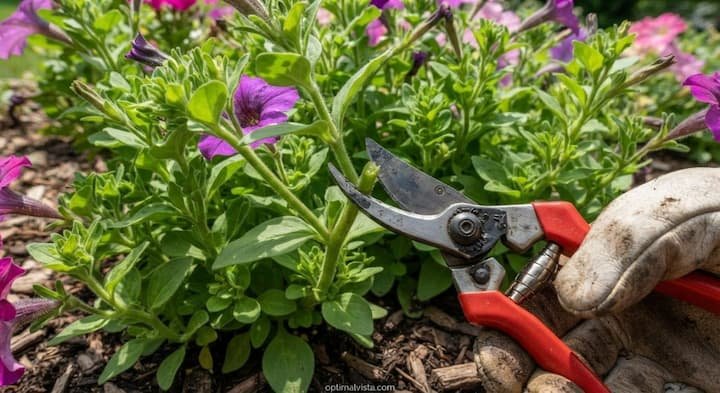
Next, remove every flower and bud (see deadheading petunias) and cut off leggy stems and damaged growth. Growers disagree on how far to go. Some cut to about 2 inches above the soil for garage storage, while others remove one-third to one-half.
For a plant going in a window, stay near one-third and leave plenty of healthy leaves. Clear dead leaves and any weeds from the pot too, because pests and mold winter in debris.
Check for Bugs Before They Come Inside
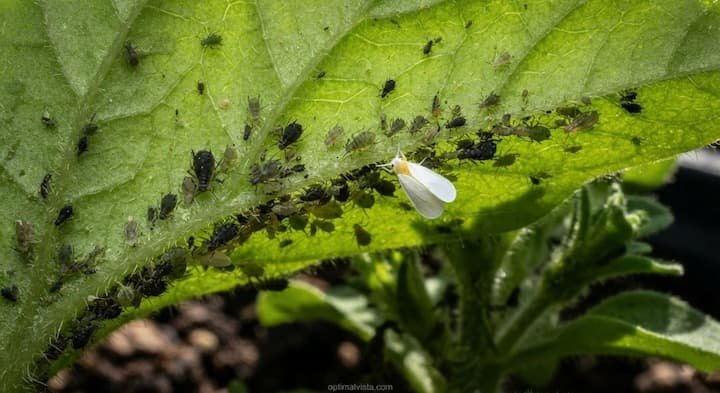
Indoor air has no ladybugs or cold snaps to keep pests down. Look under leaves and at stem joints for aphids, whiteflies, spider mites, and thrips. Many hide or leave when the plant is disturbed, so also look for droppings, eggs, and webbing.
Watch for:
- Sticky residue on leaves.
- Fine webbing between stems.
- Tiny white insects that fly up when touched.
- Eggs or black specks under leaves.
- Gray fuzz on dead leaves (botrytis).
- White powder on leaves (powdery mildew).
- Small black gnats near wet soil.
Spray the plant daily with a strong stream of water. If bugs last past a week, use neem oil or insecticidal soap labeled for indoor use (more in natural pest control), and spray away from flowering plants so bees stay safe.
Quarantine the plant from your houseplants for 2 weeks. For gnats, let the top inch of soil dry. For mold, pick off affected leaves and add airflow.
Digging Up and Repotting
For bed plants, dig wide, lift as much root ball as you can, and rinse off the outer soil to inspect the roots. Pot them in fresh potting mix in a 1-gallon pot with drainage holes, since garden soil is heavy and carries bugs.
Container plants just need a drainage check, and hanging baskets can simply come down. Water well after repotting. A decorative pot without holes works only as a sleeve that you empty after each watering. For pot choices, see container growing.
Taking Petunia Cuttings for Winter
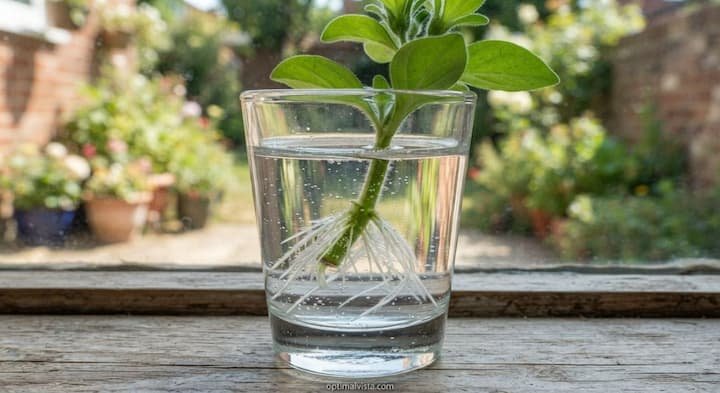
Cuttings are the safest bet, because a 4-inch stem takes almost no room. In my experience, a few cuttings on a kitchen windowsill outlast the big plant more often than not. The best petunia cuttings for winter are healthy side shoots without flowers.
- Cut a 3 to 5 inch tip just below a leaf joint (anything from 2 to 6 inches can root).
- Pinch off every flower and bud.
- Strip the leaves from the lower half.
- Make extra petunia cuttings for winter, since a few will fail.
Check the plant tag first. Many named hybrids are patented, and copying them by cuttings is not allowed, though storing the whole plant is fine.
Rooting Cuttings: Water, Soil, and Hormone
- Water: one cutting per glass, since several tangle into a knot.
- Soil: push cuttings 1.5 to 2 inches deep into moist mix in 4-inch pots.
- Hormone: dip the cut end first if you have it.
- Cover: a loose dome or bag helps in dry homes, but keep plastic off the leaves and vent it daily.
- Light: bright and indirect, with the mix lightly moist, never soggy.
Roots form in 2 to 3 weeks, and a gentle tug that meets resistance means they took. Move each cutting to its own pot, pinch the tip so it branches, and set it in a window with at least 6 hours of sun. Skip fertilizer until real growth shows.
Dormant Plants in the Garage or Basement
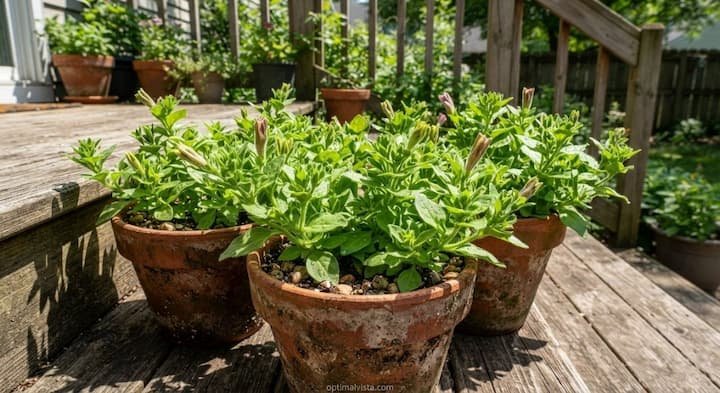
This is the easiest route, since short days tell petunias to slow down anyway. Bring the plant in sunny, then step down water and light:
- Week 1: keep the soil evenly moist.
- Week 2: let the top half inch dry.
- After that: wait until the top 1 inch is dry.
- Once the leaves drop (1 to 2 months): stop watering, clear fallen leaves, and move the pot to a dark spot around 40°F to 50°F, never below 32°F.
Leaf drop is normal. Check every 3 to 4 weeks and give only enough water to moisten bone-dry soil. One winter a mouse nested in a pot I left on the floor, so now everything sits on a shelf.
To test a bare stem, scratch it lightly: green underneath means alive, brown and dry means dead.
A cool, bright windowsill around 40°F to 65°F also works if you would rather watch the plant. Either way, mold and fully dried-out pots are the two risks, so peek at the soil now and then.
How to Keep Petunias Alive Indoors Over Winter
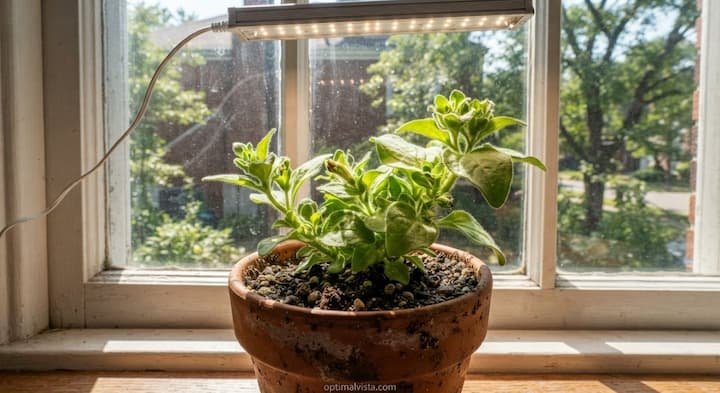
If you want to keep petunias alive indoors over winter as real houseplants, you are working against their dormant streak, so light matters most.
- The sunniest window you have, with 6 or more hours of direct sun (see sun needs).
- A full-spectrum LED grow light 6 to 12 inches above the plant for 10 to 14 hours a day, so you can keep petunias alive indoors over winter without pale, stretched stems.
- A room near 65°F to 75°F, away from vents and drafts.
- Leaves kept off cold glass, and the pot turned weekly.
- A light feeding every 6 weeks while it grows, with soil kept as damp as a wrung-out sponge.
Skip hard pruning. Just remove blooms and dead leaves. Expect few flowers, and if the plant drops everything anyway, treat it as dormant.
Winter Care for Potted Petunias: Water and Airflow
Winter care for potted petunias mostly means giving less water than your gut says. Every Sunday I poke a finger in each pot. If the top inch is dry, water until it drains, then empty the saucer. If it is damp, wait. For regular-season numbers, see the watering schedule.
- Skip a fixed calendar, because winter care for potted petunias follows the soil, not the date.
- Never let a pot sit in water.
- Keep pots away from heating vents.
- Run a small fan on low or crack a window for airflow.
- Water the soil, not the leaves.
How to Save Petunias From Frost in Zones 9 to 11
In USDA Zones 10 and 11, petunias can stay outside, and calibrachoa can stay out in Zones 9 through 11. Slide pots under a porch so you control the rain, since wet dormant roots rot.
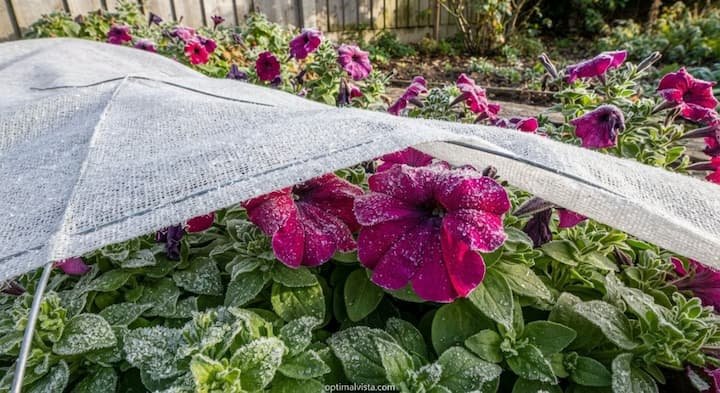
When nights near 40°F, move pots under cover, and on a 32°F night, drape frost cloth or an old sheet over them. Frost cloth is the quickest way to save petunias from frost on a one-off cold night. Move pots back out once it warms up.
Other options for the backyard:
- A cold frame or unheated greenhouse to save petunias from frost during early fall cold snaps.
- Row cover over a bed.
- Straw or leaves packed around pots.
- A frost-free garage or covered porch.
- In Zones 4 to 8, plan on bringing pots inside for the long haul.
Troubleshooting Problems
| Problem | Likely cause | Fix |
|---|---|---|
| Yellow leaves with wet mix | Overwatering | Pause watering, empty the saucer |
| Wilting with dry mix | Too dry | Water in stages so it soaks in |
| Long, pale stems | Low light | Add a grow light, then pinch back |
| Leaves dropping after the move | Normal shock | Keep conditions steady |
| Mushy leaves or stems | Root rot from wet, warm soil | Trim soft roots, repot in fresh mix |
| Webbing or insects | Pests | Isolate, rinse, treat with neem |
| Cuttings wilting or rotting | Too wet or sealed | Vent daily, remove rotten ones |
| Gnats, gray fuzz, white powder | Wet soil, still air | Dry the top inch, add airflow |
Common Mistakes
- Waiting for a cold night before moving plants.
- Bringing bugs inside without a check.
- Watering on a schedule instead of by feel.
- Too little light, which means weak, stretched stems.
- Expecting winter flowers.
- Using pots with no drainage holes.
- Feeding a plant that is trying to go dormant.
Waking Plants Up in Spring
About 6 weeks before your last frost, reverse everything: brighter light, a little more water each week, and a few hours of direct sun. Cut back weak stems and pinch the tips so plants branch (see how to get bushier plants).
I like to wait a week after the first green shows before feeding with a balanced fertilizer at the label rate. Go up one pot size if roots are packed. Blooms usually return a few weeks after strong light and warm days. If nothing sprouts in 2 to 3 weeks and the scratch test is brown, switch to your backup cuttings.
Hardening Off Without Shocking Them
Sources range from 1 to 2 weeks. Plan on 7 to 14 days, closer to 2 if plants sat in a dim room all winter.
- Day 1: 1 hour in shade or dappled light.
- Add an hour a day, then some morning sun.
- Bring everything in if frost shows up in the forecast.
- Plant out only after your last frost date.
Then move them to full sun or partial shade with good airflow. Go up to a 2-gallon pot or plant them in the ground, top the soil with compost or mulch, water as the soil dries (they drink more than in winter), and pair them with friendly companion plants.
Saving Seeds, Hybrids, and Plant Patents
Seeds from fancy hybrids rarely match the parent, so you usually get a plain petunia. That is why cuttings or whole-plant storage beat seed saving for named varieties, and why the patent tag matters.
If you still want to try, seeds are tiny and need light to sprout, so press them on top of the mix. The guide on starting seeds indoors covers the rest.
How Long Petunias Last and Pet Safety
Most petunias live about 2 to 3 years, so swap in fresh cuttings once stems turn woody and flowers thin out. If you share a plot as a community gardener, label every pot so nobody tosses yours in the trash by mistake.
The ASPCA plant list generally shows petunias as non-toxic to cats and dogs, but check it for your own animal. Keep pets off any leaves sprayed with soap or neem until they dry.
Final Thoughts:
Overwintering petunias indoors for spring is mostly about timing and restraint. Bring plants in before 32°F, check for bugs, take extra cuttings, and water less than your instincts say. Some leaves will drop, and that is normal. Start with one pot and a few cuttings this fall, and you will know by March whether the routine fits your backyard.