Ever wonder why bugs always find your healthiest-looking petunia first? It usually comes down to stress, like uneven watering or a hot, dusty spot, and bugs notice that fast.
Short answer on how to treat petunia pests naturally: catch them early, blast them off with water, follow with soap or neem, and let predator bugs finish the job. Chemicals are the last step, not the first. I’ll walk you through every common pest, what its damage looks like, and the exact steps I use in my backyard so your blooms keep their color all season.
Quick Diagnosis: Which Bug Is Hurting Your Petunias?
Before you spray anything, figure out who you’re dealing with. Spraying the wrong thing wastes time and can burn the petals. Flip a few leaves over and check the undersides, since most pests hide there.
Petunias have soft, tender growth and a sweet scent, so bugs treat them as both a meal and a place to lay eggs. Catching the problem early matters, because untreated plants end up stunted with dull blooms, and bad infestations can kill them and spread to nearby plants.
Watch for distorted or yellowing leaves, holes, slow growth, and buds that refuse to open. Some bugs like hot, dry spells and others like damp, humid weather, so the season gives you a clue too.
| What you see | Likely culprit |
|---|---|
| Sticky leaves, curled new growth | Aphids or whiteflies |
| Fine webbing, speckled leaves | Spider mites |
| White spots or silvery streaks on petals | Thrips |
| Holes in buds, blooms won’t open | Budworms |
| Winding tan trails inside leaves | Leaf miners |
| Silvery slime trails, ragged holes | Slugs and snails |
| Tiny shot holes in leaves | Flea beetles |
| Seedling cut off at the soil line | Cutworms |
| Clean, angled bite marks on stems | Rabbits or deer |
Is It a Bug, a Disease, or Just Stress?
Not every problem comes from an insect. Petunias need 5 to 6 hours of direct sun, and uneven watering stresses them enough that mites and aphids move right in.
Overwatering, heat stress, and low nutrients cause trouble too, including chlorosis, where new leaves turn pale yellow while the veins stay green.
Here’s a quick way to sort it out:
- Insects, eggs, webbing, or sticky honeydew mean a pest problem.
- Gray fuzz on faded blooms points to botrytis, a fungus.
- White powder on leaves is powdery mildew.
- Pale leaves with no bugs usually mean a feeding or watering issue, so read why petunias turn yellow.
- Thin, stretched growth with no bugs is a light problem, so check the sun or shade needs.
If you find no insects at all, fix the basics first, starting with how often to water.
Aphids: The Sticky Leaf Problem and the Ants Behind It
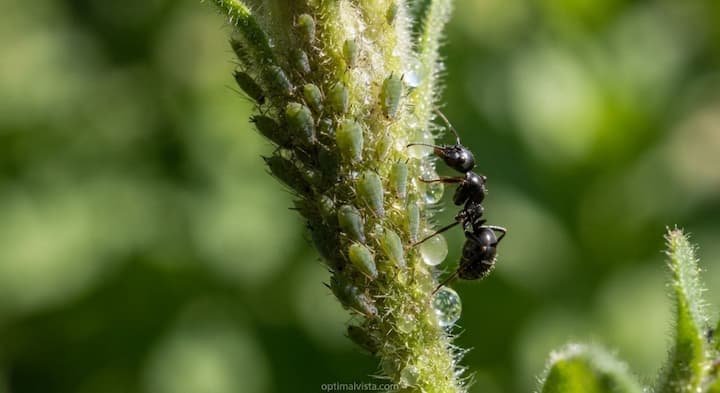
Aphids are soft, pear-shaped bugs that come in green, yellow, pink, brown, or black. They crowd onto new growth and under leaves, sucking sap. You might also spot tiny white flakes that look like rice grains, which are their shed skins.
Their sticky honeydew feeds black sooty mold, and aphids can pass mosaic viruses between plants.
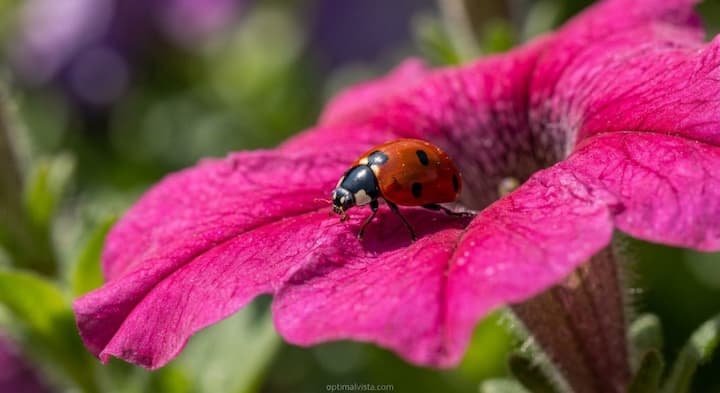
Ants make it worse. They guard aphids for the honeydew, so killing aphids while ants stay put is a losing game. Ladybugs also eat aphids all season, so leave them alone when you spot them.
Here’s what works:
- Hit the plant with a strong stream of water early in the morning, a few times a week.
- Snip off badly infested tips and put them in the trash, not the compost.
- Spray insecticidal soap or neem oil on the leftovers.
- Set enclosed ant baits along the ant trail, away from pets.
- Lightly dust dry foliage and soil with diatomaceous earth, only where pests show up.
Whiteflies and Spider Mites in Hot, Dry Weather
Whiteflies are tiny white flyers that scatter when you shake the plant. Their larvae sit under leaves and cause yellowing and wilting. Yellow sticky traps help you see how bad it is, and soap or neem every 5 to 7 days handles most of them.
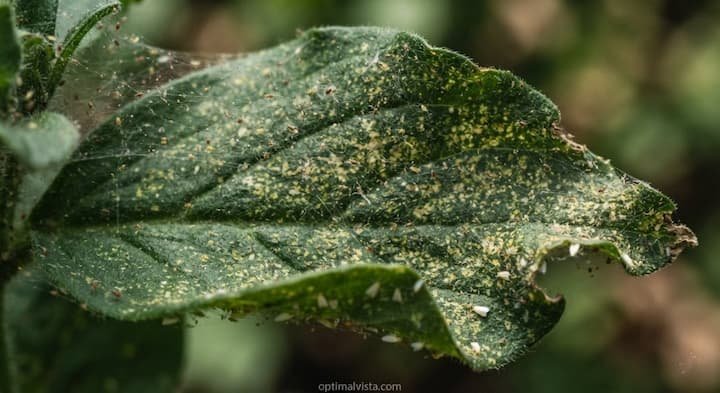
Spider mites are harder to see. Look for fine webbing, stippled leaves, and a dusty bronze look. They love hot, dry, dusty spots and stressed plants, so consistent watering is half the fix. Rinse the plant with water, then use soap or neem.
Trash badly webbed leaves instead of composting them, since a compost pile can spread mites. If the plant is in full bloom, I’d skip heavy spraying on petals and release predatory mites (Phytoseiulus persimilis) instead.
Thrips: Tiny Bugs, Big Virus Risk
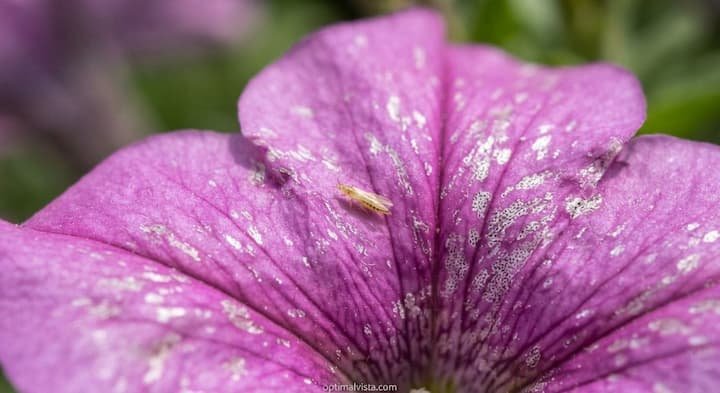
Thrips are slim, bullet-shaped insects, mostly black, brown, yellow, or white. They scrape flowers and leaves, leaving white flecks, silvery streaks, and twisted petals. The bigger worry is disease.
According to the UC Statewide IPM Program, western flower thrips spread impatiens necrotic spot virus and tomato spotted wilt virus, and both can seriously harm petunias.
Some thrips are actually helpful predators, so I think it’s smart to treat only when you see damage along with the bugs.
When you do act:
- Prune and trash damaged blooms and leaves.
- Spray neem oil or insecticidal soap.
- Hang blue sticky traps to track numbers.
- Wait a full week after neem before releasing green lacewings.
- Use spinosad only if needed, and never on bees, since it stays highly toxic to them until it dries.
Budworms and Leaf Miners: Holes and Tunnels
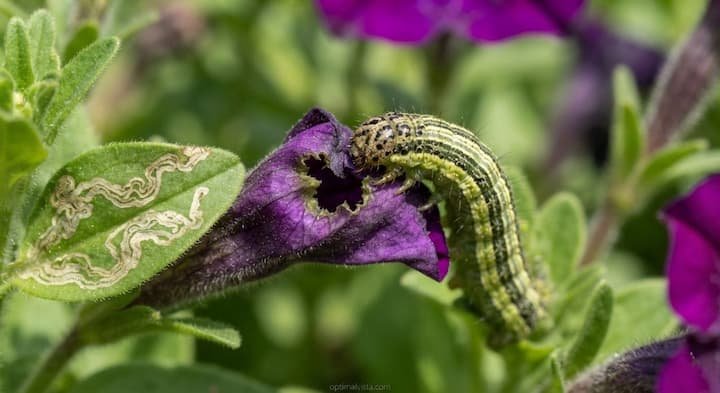
Tobacco budworms, also called geranium budworms, are striped, hairy caterpillars that chew straight through buds, so you’ll see holes you can almost see through. They feed mostly at night, which is why damage shows up with no bug in sight. In my experience, a flashlight check after dark beats any spray.
How to handle budworms:
- Pick them off in the morning or evening and drop them in soapy water.
- Start checking leaf undersides for tiny white egg clusters in July and keep at it through August.
- Spray Bacillus thuringiensis (BT) as a safe follow-up.
- Cut away damaged buds and any leaves with eggs, then bag them for the trash, since composting won’t reliably kill the eggs.
- Rotate petunias away from tomatoes and peppers each year, because they’re all nightshades.
The caterpillars pupate in the soil and come back as moths, so planting in the same spot every year lets their numbers build.
Adult leaf miners are small black-and-yellow flies that lay eggs on the leaves, and the larvae do the tunneling, leaving winding tan trails. The damage looks bad but rarely kills the plant.
How to handle leaf miners:
- Pinch the trail with your fingers to crush the larva.
- Remove the worst leaves.
- Spray neem, which also works as a soil drench.
- Avoid soggy soil, because wet roots invite fungus.
Slugs, Snails, and Flea Beetles
Slugs and snails leave silvery trails and ragged holes, mostly on young growth. They feed at night and hide under pots and leaves by day.
If you use pellets, pick pet-safe baits. Silvery trails on a plant that already has pellets around it mean slugs got past them, so add a trap, like a shallow dish of bread dough and water, as backup.
- Hand-pick them after dark or early morning.
- Set a shallow dish of beer or soda at soil level.
- Keep mulch pulled back a few inches from the stems.
Flea beetles hop around and chew small shot holes, eventually skeletonizing leaves. They’re most active in spring, and potato and tobacco flea beetles go after petunias the most. Their larvae feed on roots underground, so damage can start below the surface.
- Plant basil, marigolds, or catmint nearby.
- Spray neem on affected leaves.
- Dust with diatomaceous earth on a dry day.
Cutworms, Earwigs, Mealybugs, and Larger Visitors
A few less common troublemakers still show up in backyards and community garden plots:
- Cutworms: curled gray grubs that slice seedlings at the soil line. Wrap stems with a paper collar.
- Earwigs: hide under pots by day. Roll up damp newspaper and shake it into soapy water each morning.
- Mealybugs: cottony white clumps. Dab them with a cotton swab dipped in rubbing alcohol.
- Fungus gnats: show up in potted soil. Let the top inch dry between waterings and hang yellow sticky cards.
- Rose slugs: slimy green sawfly larvae. Pick them off by hand.
- Rabbits and deer: raise containers off the ground or fence the bed. About 2 feet of chicken wire stops rabbits, but deer need a much taller fence.
How to Treat Petunia Pests Naturally: Step-by-Step Plan
Work up this list in order and stop as soon as the bugs are gone:
- Isolate and inspect: Move a bad pot away from others and check every leaf underside.
- Remove by hand: Pick off bugs, prune damaged parts, and rinse with water.
- Spray gently: Use a homemade spray for petunia pests or a store-bought insecticidal soap, then neem.
- Bring in biology: Add BT, ladybugs, lacewings, or predatory mites.
- Go targeted: Use a stronger product only on the affected spot, as a last resort.
- Recheck every 3 to 4 days: Repeat sprays on schedule until nothing new appears.
Think of it as layers. Each step is gentler on bees and bugs you want to keep, and most infestations end by step 3.
Homemade Spray for Petunia Pests: Recipes and Schedule
These cost pennies and work on soft-bodied bugs like aphids, whiteflies, and mites. I like starting with plain soap spray because it’s the easiest to control.
Here are the mixes I use:
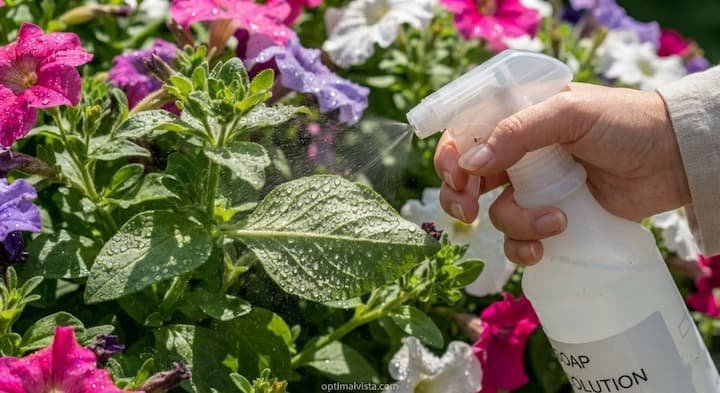
- Soap spray: 2 teaspoons mild liquid soap per 1 gallon of water. Spray weekly, soaking the leaf undersides.
- Neem oil: mix as the label says. Reapply every 7 to 14 days, only in early morning or evening to prevent leaf burn.
- Garlic-chili spray: steep crushed garlic and hot pepper in warm water overnight, strain, and dilute. Use weekly.
- Diatomaceous earth: dust dry foliage and soil, only on problem spots.
I always test any spray on a single leaf and wait 24 hours. Some soaps and oils bleach petunia color or burn petals, and a few gardeners have reported exactly that with soap sprays. Also, plain dish soap can be harsher than labeled insecticidal soap, so dilute it well.
When Organic Petunia Bug Treatment Isn’t Enough
If the plant is losing the fight, a stronger product is fair game. Pick one labeled for flowering ornamentals and the specific pest on your plant.
- Spinosad and pyrethrin-based sprays work on severe aphid, thrips, and whitefly outbreaks.
- Follow label rates and timing exactly.
- Wear gloves and keep kids and pets away until the spray dries.
- Spot treat the affected area instead of drenching the whole plant.
- Repeat every 7 to 10 days if the label allows it.
Spraying Safely: Timing, Blooms, and Pollinators
To get rid of bugs on petunias naturally, timing matters almost as much as the product. Spray early in the morning or after sunset, when bees are done for the day. Oils and soaps on leaves in blazing sun can scorch them, and most labels say to skip spraying above 90°F.
- Avoid spraying open blooms when you can, because petals fade fast.
- Spinosad and pyrethroids can harm bees, so let sprays dry before pollinators return.
- Cover all leaf undersides, where the bugs actually live.
- Choose organic petunia bug treatment labels that list the pests you have.
- Rinse pruners with rubbing alcohol between plants.
Get Rid of Bugs on Petunias Naturally With Predators and Companion Plants
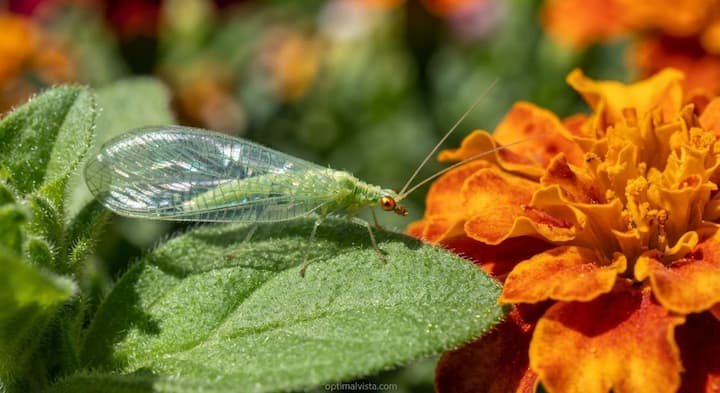
Beneficial insects do free work all season. Ladybugs and lacewings eat aphids and small pests. Parasitic wasps go after thrips and leaf miners, and predatory mites handle spider mites. Just remember the one-week gap after neem before you release any of them.
A mixed, varied garden keeps these helpers around, and rinsing dust off the leaves helps them settle in.
- Attract helpers: coreopsis and yarrow feed adult lacewings with nectar and pollen.
- Repel pests: basil, garlic, and marigolds keep many bugs away.
- Mix it up: check the full list of companion plants before you plan a bed.
Natural Petunia Pest Control Through Prevention
Healthy plants shrug off most bug damage, so prevention is where you save the most time. A strong, vigorous plant can handle minor nibbling without losing its looks.
- Give petunias full sun and a loose, well-drained soil mix.
- Feed them on schedule with a good fertilizer for petunias.
- Space plants so air can move between them, since crowded, humid plants invite pests.
- Deadhead spent blooms and trash fallen leaves, since debris hides eggs.
- Quarantine new nursery plants for 1 to 2 weeks.
- Rotate nightshade crops each year.
- Weekly scouting is the backbone of natural petunia pest control, so check leaf undersides every Saturday.
Pots, Hanging Baskets, Garden Beds, and Wave Petunias
Where you plant changes which bugs show up. In my pots, fungus gnats and mites are the usual problems, while garden beds attract more slugs and cutworms.
Hanging baskets stay out of reach of rabbits, and every pot needs drainage holes, because soggy soil feeds gnats and rot. If you’re growing petunias in pots, you can simply move a hit plant away from the rest.
Wave petunias and calibrachoa (million bells) get the same pests, and budworms especially love them, so follow the same plan from the wave petunia care routine. Petunias grow as annuals across USDA Zones 4, 5, 6, 7 and 8. If you share a community garden, tell your neighbors when you spot spider mites or thrips, since both spread fast.
Seasonal Pest Calendar
| Season | Pests to watch | What to do |
|---|---|---|
| Spring | Flea beetles, aphids, slugs | Hand-pick, water spray, add companion plants |
| Summer | Spider mites, thrips, whiteflies, budworms | Keep soil evenly moist, scout weekly, spray at dusk |
| Late summer | Budworm eggs (July to August) | Check leaf undersides, remove egg leaves |
| Fall | Overwintering pests, debris | Clean the yard, bag debris, bring plants in before 32°F |
If you want to save a favorite plant, see how to overwinter petunias indoors after inspecting it twice for bugs.
When to Pull the Plant
Some plants aren’t worth saving. If new leaves come in mottled, distorted, or stunted, or you see dead brown spots with ring patterns, a virus is likely.
There’s no cure. Bag the plant and throw it in the trash, never the compost, and clean your pruners afterward. Replace it with a fresh plant in new potting mix, and keep new plantings a few feet from any suspect ones.
If only a few leaves are hurt, prune them and keep going. A leggy plant with no bugs can be cut back, and you can also learn how to make petunias bushy to get fuller growth.
Final Thoughts:
Now you know how to treat petunia pests naturally: scout weekly, ID the bug, start with water and gentle sprays, and save stronger products for real emergencies. Keep your plants evenly watered, and most problems never get going. Check the undersides of leaves this weekend, and your petunias will bring color to the yard until fall.