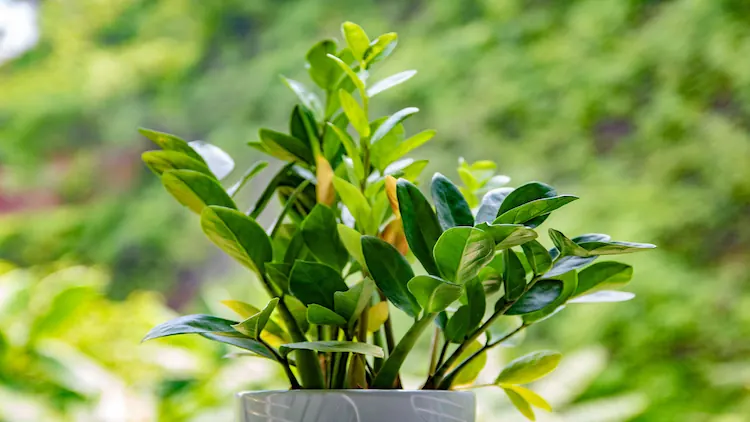
If you’ve been searching for when to repot zz plant, your plant has probably already been dropping hints. I’ve kept ZZ plants in the same pot for longer than I should have, and in my experience, this plant tells you exactly when it needs help you just have to know what to look for.
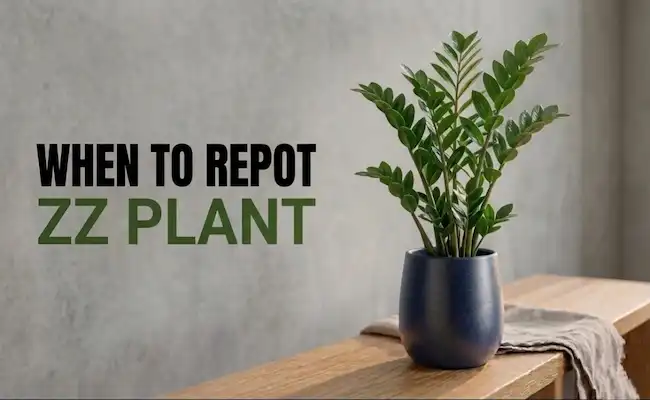
When to Repot ZZ Plant: The Clearest Signs
Watch for these signs:
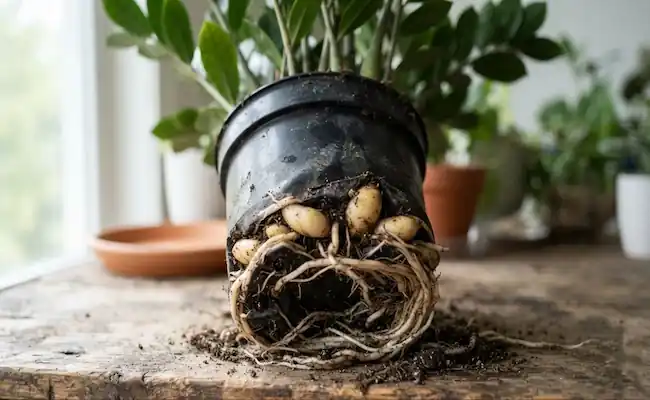
- Roots poking out of the drainage holes.
- Thick rhizomes pushing up above the soil line.
- Water runs straight through and out the bottom within seconds.
- The pot looks cracked, bulging, or misshapen.
- The plant feels top-heavy and tips over easily.
- Growth has stalled for over a year, even in spring and summer.
Seeing just one of these? A root bound zz plant isn’t automatically in trouble this plant actually prefers being a little snug. It’s two or three signs together that make repotting necessary.
When You Can Skip Repotting
If the leaves are firm, growth is steady, and the pot still drains well, leave it alone for another year. Repotting a healthy plant too early does more harm than waiting, since it disturbs roots that didn’t need disturbing in the first place.
Just Brought Home a New ZZ Plant?
Hold off on repotting for about 2 to 3 months after buying one. Nursery plants need time to acclimate to your home’s light and humidity first; repotting on top of that move adds unnecessary stress. Once it’s settled in, a normal ZZ plant care routine is all it needs until real signs of crowding show up.
The Best Time to Repot a ZZ Plant
Spring through early summer is the best time to repot a zz plant, since the plant is actively growing and recovers within a couple of weeks instead of months.
If you’re in USDA Zones 4, 5, 6, 7 or 8, your ZZ plant stays indoors year-round anyway it can’t handle anything close to 45°F, let alone 32°F. Even indoors, though, it follows a seasonal rhythm. Come Fall, growth slows and the plant goes semi-dormant, so roots recover slower from disturbance. Repotting in October or November invites trouble; April or May sets it up to bounce back fast.
How Often Does ZZ Plant Repotting Actually Need to Happen
ZZ plant repotting only needs to happen once every 2 to 3 years for most mature plants. This is a slow grower, so the roots don’t fill the pot as fast as people assume.
Younger plants in 4 to 6 inch nursery pots may need bumping up within a year. Once a ZZ plant reaches a 10 to 12 inch pot, you can often stretch that window to 3 years or more by just refreshing the top couple of inches of soil instead of doing a full repot.
The plant’s drought tolerance comes largely from its thick, water-storing rhizomes, and that’s part of why it doesn’t need frequent repotting. Research from the University of Florida’s IFAS Extension notes that ZZ’s waxy leaves and fleshy stems have extremely low transpiration rates, and the rhizomes store enough water to carry the plant through extended dry spells.
Tools You’ll Need
- A pot with drainage holes, 1-2 inches wider than the current one.
- Fresh, well-draining potting mix.
- Gloves.
- Clean pruners.
- A trowel or your hands.
Choosing the Right Pot and Soil Mix
Going too big is worse than waiting too long:
| Current Pot Size | New Pot Size | Soil to Add |
|---|---|---|
| 4-6 inches | 6-8 inches | 1-2 inches |
| 8-10 inches | 10-12 inches | 2-3 inches |
| 12+ inches | Same pot, fresh soil | Top-dress only |
An oversized pot holds onto moisture the roots can’t use fast enough the quickest way to send a ZZ plant into root rot.
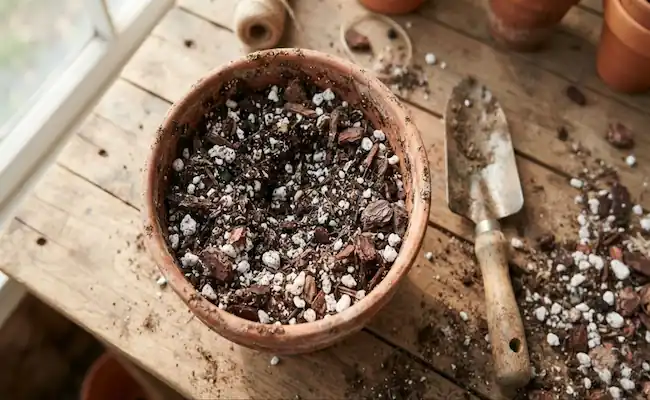
For soil, I like:
- 60% regular potting soil.
- 30% perlite or pumice.
- 10% orchid bark or coarse sand.
This stays loose and fast-draining, close to what the plant gets in its native East African grasslands. Skip garden soil, and skip coffee grounds as compost too both hold onto too much moisture for a rhizome that wants to stay dry between waterings.
Step-by-Step: Repotting a ZZ Plant Without Stressing It
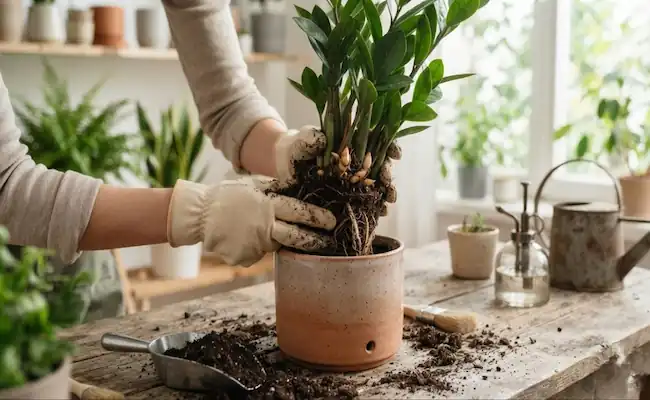
- Water lightly a day or two beforehand dry soil tears roots more than slightly moist soil does.
- Turn the pot on its side and slide the plant out slowly, holding it at the base.
- If it’s stuck, cut the plastic pot away rather than yanking on the stems.
- Gently shake off the old soil so you can see the rhizomes.
- Trim away any rhizomes that are soft, mushy, or smell bad with clean pruners.
- Add fresh soil, center the plant, and keep the rhizomes just below the surface, not buried deep.
- Fill in around the sides without packing it down hard.
- Water once, lightly, then hold off for about a week.
Don’t fertilize right after: Wait 6 to 8 weeks so the roots aren’t dealing with new soil and new nutrients at once.
Dividing or Propagating While You’re At It
In my experience, this is the easiest time to divide a crowded plant. Gently pull or cut the rhizome clumps apart by hand, keeping a few healthy roots on each section, and pot them separately in the same well-draining mix.
If you’d rather skip division, you can also propagate a ZZ plant in water using a single leaf or stem cutting instead.
A Quick Word on Handling the Sap
ZZ plant sap contains calcium oxalate crystals. A 2026 anatomical and biochemical study on Zamioculcas zamiifolia, published in the SABRAO Journal of Breeding and Genetics, confirmed meaningfully high oxalate levels in the plant’s tissue through lab analysis.
It usually just causes mild skin irritation, but wear gloves and wash up afterward especially if pets or kids might get curious about trimmed roots before they hit the trash.
Rescuing a ZZ Plant With Root Rot
I’d treat this differently than a routine repot. If rhizomes feel mushy or smell sour, remove all the old soil, cut away every soft or discolored section with clean pruners, let the healthy rhizomes air-dry for a few hours, then pot in completely fresh, dry soil and hold off watering for about a week.
Aftercare :
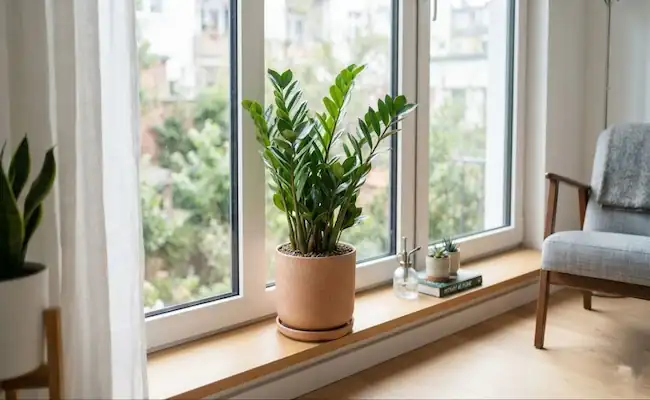
Put the plant back in the same bright, indirect light it had before stacking a light change on top of a repot is too much at once. Expect some drooping for a week or two; that’s normal. If leaves keep turning yellow alongside soil that won’t dry out, that usually points to rot, not adjustment.
If you’re also managing containers out in the yard or backyard, this same wait-and-watch approach applies whether it’s a ZZ plant, a zucchini, or an eggplant just bumped into a bigger pot.
Common Mistakes That Set a ZZ Plant Back
- Sizing up too aggressively “to save time later”.
- Repotting during Fall or winter when growth has slowed.
- Packing soil down tightly around the rhizomes.
- Fertilizing immediately instead of waiting out recovery.
- Ignoring rot on one rhizome, hoping it won’t spread.
I think the biggest one is impatience. Plenty of community gardener friends of mine repot their ZZ plants far more often than needed, just because it feels productive. This plant does better with a little neglect, and it still makes a solid centerpiece on a plant stand even after being left alone for years.
Final Thoughts:
The real answer to when to repot zz plant is simple: watch the plant, not the calendar. Look for roots at the drainage holes, rhizomes breaking the soil surface, and water draining too fast, then move up just one pot size in spring. Pair that with a well-draining mix and a gentle hand around the rhizomes, and this plant rewards you with steady growth for years.