
Why can one tomato taste like candy while a store-bought one tastes like wet cardboard?
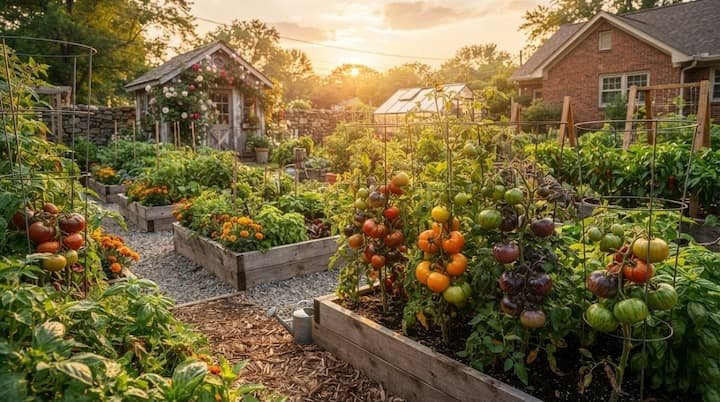
It comes down to variety, sugar, acid, and a few habits most gardeners never question. Here are the best tasting tomato varieties for every palate, plus the growing, harvesting, and storage habits that keep the flavor intact from vine to kitchen.
What Makes the Best Tasting Tomato Varieties Different?
Flavor comes from a balance of sugars, acids, and aroma compounds. Too little acid and a tomato tastes flat, too much and it bites. Texture counts just as much, so here is what separates a good tomato from a forgettable one:
- Flavor profile: sweet, tangy, smoky, or a mix of all three.
- Texture: meaty and silky beats mealy.
- Juiciness: smaller seed cavities spread flavor across every bite.
- Skin: thin skin wins, and heavy scarring (cat-facing) hurts.
Taste is personal, so the most flavorful tomatoes for a sugar lover may not suit someone who wants old-fashioned, winey richness. The table below sorts picks by what you like.
Quick Picks: Match a Tomato to Your Taste
Not sure where to start? This table matches a taste or a use to one reliable pick, so you can skip the guesswork. Find the flavor you want, grab that variety, and treat it as your starting point.
Once you know what you like, the longer lists below will make a lot more sense.
| Taste or Use | Best Pick | Type | Best Use |
|---|---|---|---|
| Sweetest | Sungold | Cherry | Snacking |
| Rich and old-fashioned | Brandywine | Beefsteak | Slicing |
| Bright and citrusy | Jaune Flamme | Small slicer | Salads, roasting |
| Smoky and deep | Cherokee Purple | Slicer | Burgers |
| Mild, low-acid tasting | Big Rainbow | Beefsteak | Fresh slicing |
| Sandwiches | Kellogg’s Breakfast | Beefsteak | BLTs |
| Spicy-sweet | German Green | Beefsteak | Fresh eating |
| Concentrated sauce flavor | San Marzano | Paste | Canning |
Tastiest Tomato Varieties for Snacking: Cherry and Grape
I like Sungold best for backyard snacking, but every one of these earns a spot:
- Sungold: sweet, fruity, tangy finish.
- SunSugar: candy-like, early, steady harvests.
- Super Sweet 100: sweet with a tart edge, huge trusses.
- Sweet Million: reliable red clusters, disease resistant.
- Black Cherry: sweet with a smoky undertone.
- Indigo Rose: purple blush in sunlight, sweet flavor.
- Camp Joy: deep, well-rounded taste.
- Jaune Flamme: apricot-orange, balanced sweet and tart.
- Sunrise Bumble Bee: striped and fast growing.
- Amy’s Sugar Gem: large cherry, exceptional sweetness.
- Ildi: small yellow grape type, early and heavy.
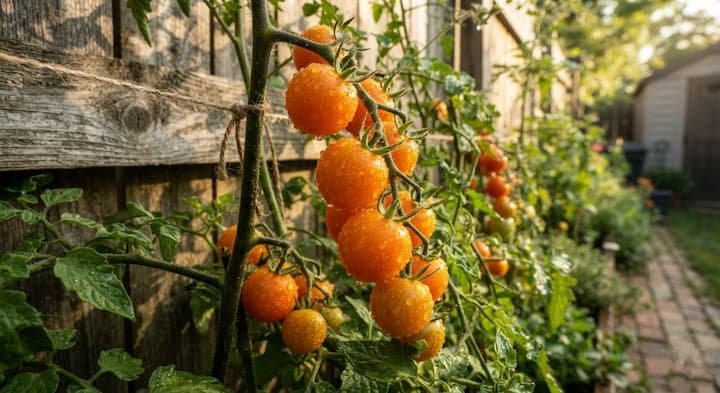
Great Tasting Tomatoes for Sandwiches: Slicers and Beefsteaks
I think Brandywine still sets the bar, and every new slicer gets measured against it. Here are the rest by color:
- Red and pink: Brandywine (pink or red) is rich and winey. 1884 is meaty and old-fashioned, Andrew Rahart’s Jumbo Red is dense and bold, Mortgage Lifter is mild and sweet, Rose de Berne is balanced and early, Soldacki is big and tangy-sweet, and Eva Purple Ball is juicy with a zippy finish.
- Purple and black: Cherokee Purple is smoky-sweet, Carbon (Cherokee Carbon) is deep and crack resistant, Black Krim is rich and a little salty, and Paul Robeson has a clean shape and strong flavor.
- Yellow, orange, and bicolor: Kellogg’s Breakfast is a juicy, meaty orange. Pineapple is sweet and fruity, Gold Medal is sweet with marbled color, Big Rainbow is mild, Dr. Wyche’s Yellow is bright and complex, Lemon Boy has a light citrus tang, Chef’s Choice Orange is tangy-sweet, and Berkeley Tie Dye has won plenty of taste awards.
- Green and fuzzy: German Green is spicy-sweet (pick it at a faint pink blush on the blossom end), Green Zebra is zesty, and Garden Peach has fuzzy skin and a mild taste.
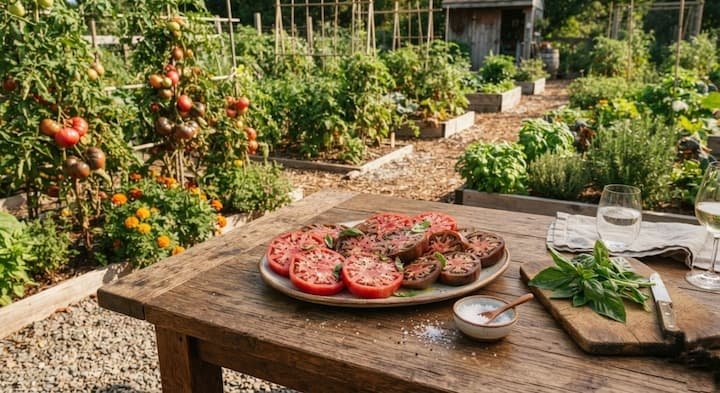
Sauce and Canning Tomatoes That Still Taste Great Fresh
Paste tomatoes have dense flesh and few seeds, so the flavor concentrates when cooked:
- San Marzano: the sauce standard, thick walls, balanced sweetness.
- Amish Paste: big plum-shaped heirloom, rich and sweet.
- Roma: easy, firm, good for sauce and drying.
- Italian Heirloom: an oxheart that makes a BLT without soggy bread and cooks into good sauce.
Canning any variety? Follow a tested recipe and add acid like bottled lemon juice, since acidity varies from fruit to fruit.
Heirloom vs. Hybrid: Which Tastes Better?
Heirlooms usually win on depth, but some of the tastiest tomato varieties are hybrids. It depends on the specific plant, not the label.
- Heirlooms: deeper flavor and seeds you can save, but more cracking, more disease, and lower yields.
- Hybrids: stronger disease resistance, less cracking, and bigger yields, but saved seeds will not grow true.
- Hybrids worth growing: Sungold, Super Sweet 100, Better Boy, Cherokee Carbon.
Are Yellow and Orange Tomatoes Really Low in Acid?
Not reliably. Yellow and orange fruits often taste milder because of their sugar-to-acid balance and aroma, not because they are truly low in acid. If acid bothers you, taste a few instead of going by color. And never treat “low acid” as a canning shortcut.
- Color doesn’t predict acidity: two yellow tomatoes can land far apart, so judge each variety on its own.
- Mild usually means balanced: a sweet, gentle taste often comes from the sugar-to-acid ratio, not a lack of acid.
- Taste before you commit: try a slice of Big Rainbow, Pineapple, or Gold Medal and see how your own palate reacts.
- Canning rules stay the same: add acid like bottled lemon juice and follow a tested recipe, whatever the color.
Best Tomatoes for Flavor by Climate and USDA Zone
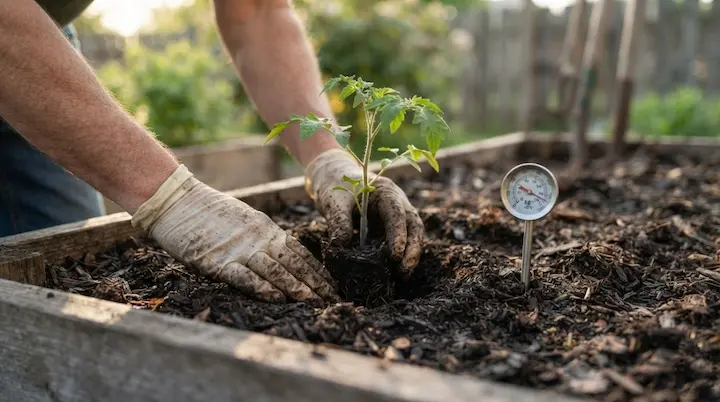
Match the variety to your season. Plant after the last frost, since one night at 32°F can kill young plants, and check your planting time. Fruit set also stalls when daytime highs top 90°F.
- USDA Zones 3, 4 and 5: Anna Russian, Stupice, and Early Girl ripen early (roughly 55 to 75 days), though flavor builds slower in cool weather.
- USDA Zones 5, 6 and 7: most varieties work, but Brandywine needs about 85 days.
- USDA Zones 7, 8 and 9: Moneymaker, Lemon Boy, Golden Jubilee, and crack-resistant Big Rainbow handle heat and humidity.
- Hot, dry inland yards (USDA Zones 9 and 10): plant early, mulch, add afternoon shade cloth, and lean on cherry types like Sungold.
- Cool coastal yards: Stupice and Anna Russian keep setting fruit when nights stay cool.
Tomatoes for Containers and Small Backyards
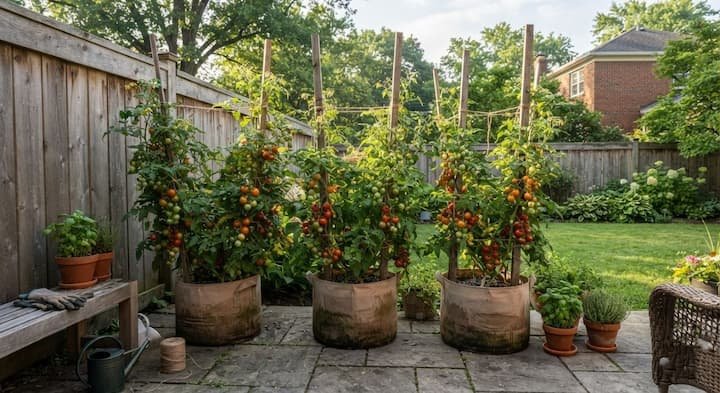
Cherry types like Sungold and Super Sweet 100 do well in a 5-gallon pot. Big slicers need 15 to 20 gallons and a sturdy stake. Determinate types like Roma stay bushy, Tumbling Tom cherries spill over a hanging basket, and micro dwarfs suit a small patio.
For more setups, see tomatoes in pots and container vegetables.
Quick Comparison of Top Varieties
Once you have a few favorites in mind, this table lays them side by side. Check the days from transplant to match your season, then look at fruit size, growth habit, and crack or disease notes.
Every pick here is indeterminate, so plan on stakes or tall cages. Days and sizes are rough averages, so confirm them on your seed packet.
| Variety | Type | Color | Size | About Days | Habit | Flavor | Best Use | Crack/Disease |
|---|---|---|---|---|---|---|---|---|
| Sungold | Cherry | Orange | 1 inch | 65 | Indeterminate | Sweet, tangy | Snacking | Good resistance |
| Super Sweet 100 | Cherry | Red | 1 to 1.5 inches | 65 | Indeterminate | Sweet, tart | Salads | Good resistance |
| Better Boy | Hybrid slicer | Red | 8 to 16 oz | 75 | Indeterminate | Full-bodied | Slicing | Good resistance |
| Cherokee Purple | Heirloom | Dusky rose | 10 to 12 oz | 80 | Indeterminate | Smoky, rich | Burgers | Cracks easily |
| Cherokee Carbon | Hybrid | Burgundy | Large | 80 | Indeterminate | Deep, bold | Slicing | Crack resistant |
| Gold Medal | Heirloom | Yellow-red | 1 to 3 lb | 85 | Indeterminate | Very sweet | Caprese | Blight resistant |
| Rose de Berne | Heirloom | Pink-red | Medium | 75 | Indeterminate | Balanced | Salads | Crack resistant |
| Brandywine | Heirloom | Pink | Up to 1 lb | 85 | Indeterminate | Rich, winey | Slicing | Needs support |
How to Grow Tomatoes for Maximum Flavor
- Sun: 6 to 8 hours of direct light, since more sun builds sugar and great tasting tomatoes need it.
- Soil: mix in homemade compost, and kitchen scraps that would hit the garbage work fine.
- Feeding: go light on nitrogen so energy goes to fruit, not leaves, and check the right tomato fertilizer.
- Water: deep and steady under a 2 to 3 inch mulch layer, then ease off near harvest to concentrate sugars, following a simple watering schedule.
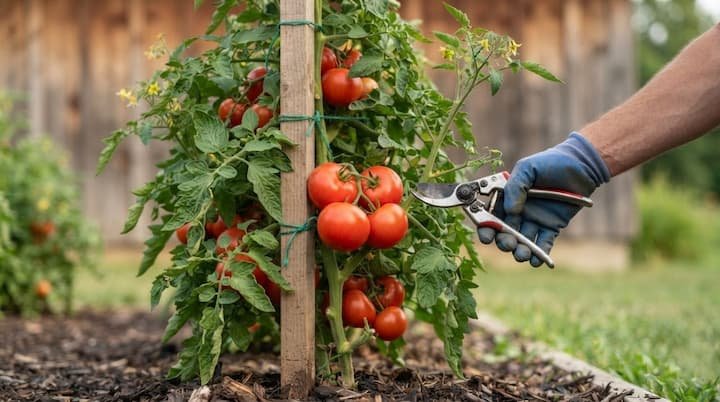
- Spacing and pruning: plants 2 to 3 feet apart, staked or caged, with suckers snipped by clean pruners and lower leaves removed once fruit sets (pruning tomato plants).
- Calcium: eggshells and Epsom salt do little, steady watering prevents blossom end rot.
- Neighbors: basil and marigolds are easy companion plants.
When and How to Harvest for Peak Flavor
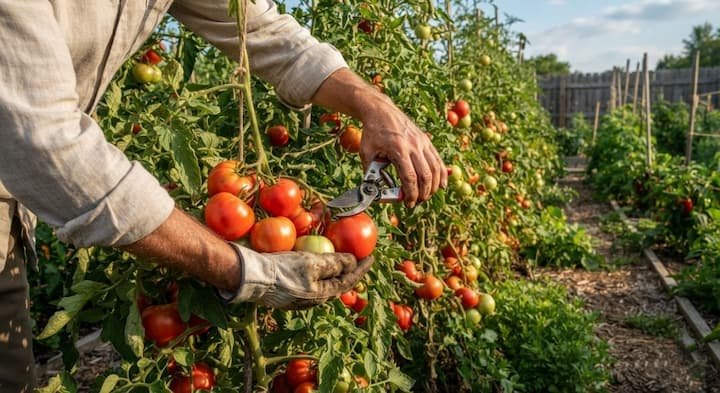
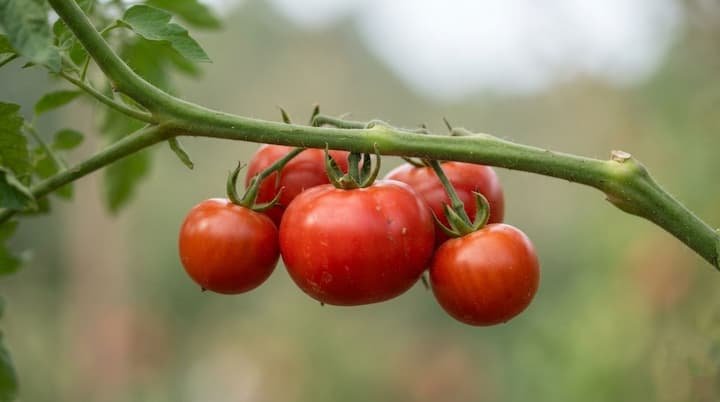
Pick when the color is full for that variety, the fruit gives slightly, and the stem end smells sweet and earthy. Twist gently or snip with pruners.
- German Green: wait for the faint pink blush.
- Gold Medal: give it extra time on the vine.
- Sungold: splits if left too long, so a community gardener on a shared plot should check often.
How to Store Tomatoes Without Losing Flavor
Cold is the biggest flavor killer. In a 2016 PNAS study led by University of Florida researchers, chilling ripe tomatoes at 41°F cut aroma compounds by up to 65%, and many of the affected genes stayed switched off after warming up (source).
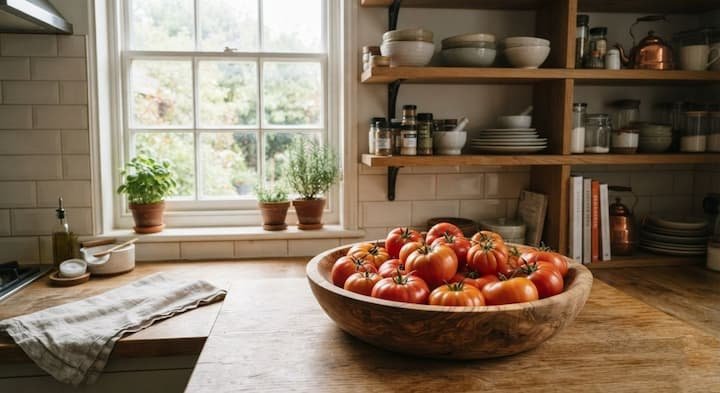
I leave mine on the counter, stem side down, out of direct sun. Keep them above about 54°F, ripen green ones in a paper bag with a banana, and in Fall pick green fruit before a 32°F night. Use the fridge only for overripe tomatoes you cannot eat in time.
Mistakes That Make Tomatoes Bland
- Picking too early: in my experience, a tomato that ripens on the vine beats one that ripens on the counter.
- Uneven watering or overwatering: it causes splitting and watery fruit.
- Too much nitrogen: big leaves, weak fruit.
- Part shade: less sun means less sugar.
- Refrigerating ripe fruit: see the study above.
- Shipping-friendly hybrids: buying those instead of the most flavorful tomatoes.
- Wrong variety for your zone: and ignoring yellow leaves until it is too late.
How to Choose, Buy, and Run Your Own Taste Test
Seeds give you the widest choice, while transplants save time. Buy from a reputable seed company or local nursery, and check the label for days to maturity and growth habit.
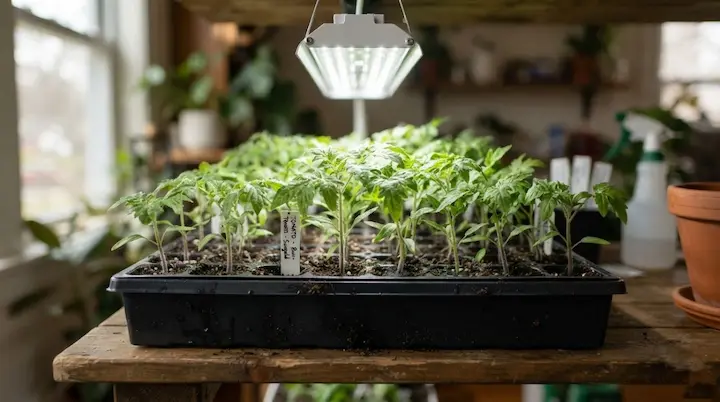
If you go with seeds, read up on starting seeds indoors. Then pick the best tomatoes for flavor in each category: one cherry, one slicer, one paste.
- Grow three varieties side by side and label every plant.
- Taste them at room temperature on the same day.
- Note sweetness, acid, texture, and skin.
- Keep your favorite and swap out the rest.
I grow three new varieties every season and keep notes on each one.
Final Thoughts:
Great flavor starts with the right variety and finishes with good habits: full sun, steady water, ripe picking, and no fridge. Start with the best tasting tomato varieties from this list, grow a few side by side, and let your own palate decide. My favorite pick may not be yours, and that is the fun part.
Pingback: Epsom Salt for Tomato Plants: 5 Methods, Doses & Mistakes
Pingback: How to Grow Indeterminate Tomatoes: 9 Proven Tips That Work
Pingback: Growing Heirloom Tomatoes From Seed: Proven Steps
Pingback: Best Mulch for Tomatoes: Proven Picks for Bigger Yields