Geraniums are technically tender perennials, not annuals, even though most people toss them out once the cold hits. A healthy plant growing in a yard or garden bed can easily live for several more years if it gets a little help before frost damages the stems. That is really what it means to overwinter geraniums giving the plant a way to survive the cold months so it does not have to be replaced every spring.

There is no single “right” way to overwinter geraniums. Someone with a bright windowsill and a small collection of pots will handle it differently than someone trying to save a dozen plants pulled from garden beds with almost no indoor space to spare. Below are the three real options, what each one needs, and the mistakes that quietly kill more plants than the cold ever does.
When to Start the Process
Timing matters more than most guides admit. A light frost, sitting around 32°F (0°C), will stress a geranium but usually will not kill it outright. A hard frost, dropping to 28°F (-2°C) or lower, damages the cell walls in the stems and leaves, turning them soft and mushy within hours. Once that happens, the plant is done.
The safest window is when nighttime temperatures start settling into the 40s Fahrenheit (around 5–10°C) on a regular basis. That usually falls somewhere in Fall for most of North America, and Autumn for gardeners across the UK. Waiting for an actual frost warning is cutting it too close — plants need a few days to adjust before being uprooted or moved.
Zone matters too. Gardeners in Zones 4, 5, 6, and 7 typically need to bring geraniums in well before Halloween, while warmer Zones 8 and 9 can push the timeline into November. The same frost line that sends zucchini and eggplant to the trash in a US yard, or courgette and aubergine beds to a close across UK allotments, is the cue to overwinter geraniums too.
Method One: Keep Them Growing Indoors
This is the least fussy way to overwinter geraniums and works well for anyone with a south-facing window. Instead of forcing the plant into dormancy, it simply keeps growing all winter as a houseplant.
Steps to follow:
- Lift the plant from the garden bed or repot it into a container 6 to 8 inches wide with fresh potting mix.
- Trim the plant back by about one-third to one-half to reduce stress on the roots.
- Check every leaf joint and the underside of leaves for pests before bringing it inside whiteflies and aphids love to hitch a ride indoors.
- Rinse the whole plant with a mild soap spray if any bugs are spotted.
- Place the pot somewhere it gets 6 to 8 hours of direct light; a grow light for 12 to 14 hours a day works as a backup.
Water only when the top 1 to 2 inches of soil feels dry, and skip fertilizer until spring. A geranium fed through winter grows thin, pale stems that flop over. Expect some yellow leaves and a bit of legginess by February that is normal, not a sign of failure.
Method Two: Store Them Bare Root
This is the space-saving option most people get wrong on the first try. Instead of keeping the plant growing, the goal is to put it to sleep for the winter.
Steps to follow:
- Dig the plant up before the first hard frost, keeping as much of the root ball intact as possible.
- Shake off the loose soil and rinse the roots gently.
- Trim the roots to roughly one-third of their original length and cut the stems to about 6 inches.
- Let everything dry for a day or two so the cut ends callus over.
- Pack two or three plants into a paper grocery bag or a cardboard box lined with slightly damp newspaper or peat moss.
Store the bag or box somewhere that stays between 45–50°F (7–10°C) — an unheated garage, basement, or root cellar all work. A warmer spot, closer to 65°F (18°C), tricks the plant into producing weak new growth mid-winter, which drains its stored energy before spring arrives.
Check the plants once a month. Firm, dry stems are a good sign. Shriveled stems mean the storage area is too dry and need a quick soak in lukewarm water for an hour, then air-drying before going back into storage. Soft or moldy stems get trimmed off immediately with clean shears, or the rot spreads through the whole bag.
Method Three: Take Cuttings
Cuttings are the best route to overwinter geraniums for anyone who wants more plants out of the deal, not just the same one surviving. A single healthy geranium can produce five or six new plants this way.
Steps to follow:
- Cut a 4 to 6 inch length of green, non-woody stem just below a leaf node using clean shears.
- Strip off the lower leaves, leaving only two sets near the top.
- Remove any blooms or buds so the cutting’s energy goes into growing roots, not flowers.
- Dip the cut end in rooting hormone (optional, but it speeds things up).
- Push the cutting into a small pot of moist, well-draining potting mix.
Cover the pot loosely with a clear plastic bag for the first week to hold humidity, then keep it in bright but indirect light. Roots usually form within three to six weeks, after which the young plant gets treated like any other indoor geranium until it is safe to move outside.
Comparing the Three Methods
| Method | Indoor Space Needed | New Plants Produced | Effort Level |
|---|---|---|---|
| Houseplant | One sunny window per pot | None — same plant | Low |
| Bare root | A box or bag in storage | None — same plant | Medium |
| Cuttings | Small pots on a sill | Several per plant | High |
Mistakes That Kill More Plants Than the Cold Does
Most failed attempts to overwinter geraniums do not actually come from frost they come from small errors made weeks later.
- Overwatering during dormancy. A bare-root plant sitting in damp peat moss with no airflow rots faster than it dries out.
- Storing plants somewhere too warm. A furnace room or a spot near a heating vent pushes the plant out of dormancy and wastes its stored energy.
- Skipping the pest check. Bugs that spent summer outdoors multiply fast once they are indoors with no natural predators around.
- Forgetting the monthly check-in. A bag left untouched from November to March often turns out to be full of mold by the time anyone looks.
- Rushing the spring move outdoors. Plants that go straight from a windowsill into full sun scorch within days and need a week or two of gradual exposure first.
Does the Variety Matter?
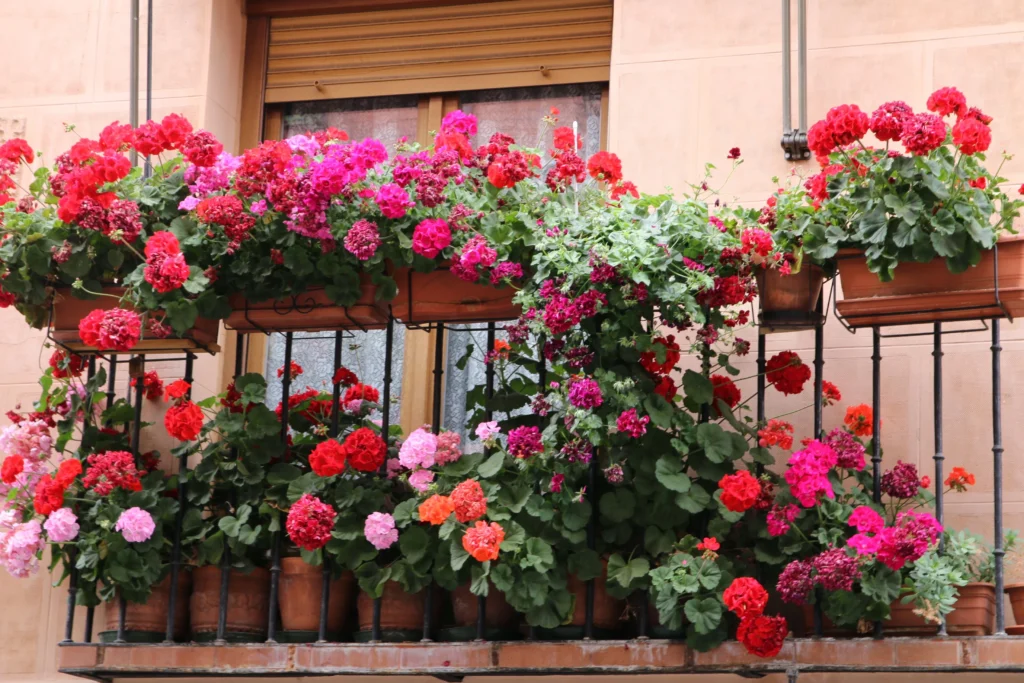
Not every plant sold as a “geranium” behaves the same way. Zonal and ivy geraniums the common types found in Yard and Garden centers every spring are the ones this process applies to. Regal and scented geraniums can also be overwintered, though scented types tend to do best with the bare-root approach since their stems store energy well.
True hardy geraniums, sometimes labeled Cranesbill, are a different plant entirely and survive freezing winters on their own, right alongside perennial beds, without ever coming indoors.
Bringing Them Back in Spring
Around six to eight weeks before the last expected frost, it is time to wake everything up. Bare-root plants get repotted into fresh soil and moved somewhere warm and bright. Indoor plants get a light trim, a dose of water, and their first feeding of the season.
Hardening off is the step most people skip, and it decides whether the plant thrives or sulks. Set the pots outside for an hour or two in shade, then add an extra hour daily over one to two weeks. Once nighttime temperatures hold above 50°F (10°C), the plants are ready for the Yard, Garden bed, or Allotment for good.
Final Thoughts:
Overwintering geraniums comes down to matching the method to the space and effort available a bright window for the houseplant route, a cool dry corner for bare roots, or a few small pots for cuttings. Pick whichever fits, follow through with the monthly checks, and the same plant that would have gone into the Trash come Fall will be back in full bloom before anyone else’s fresh nursery plants hit the shelves.