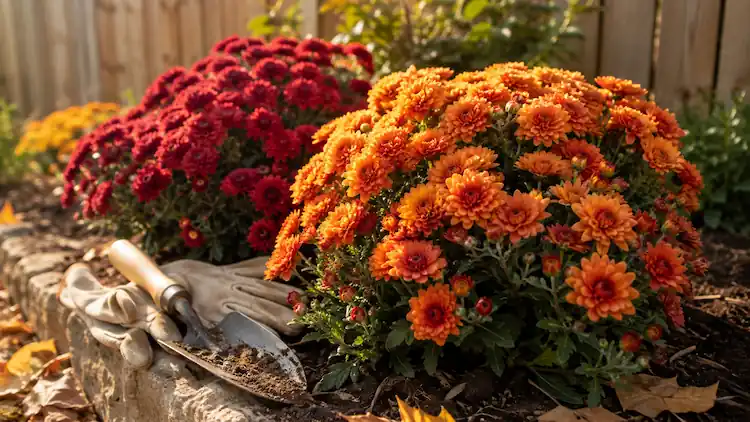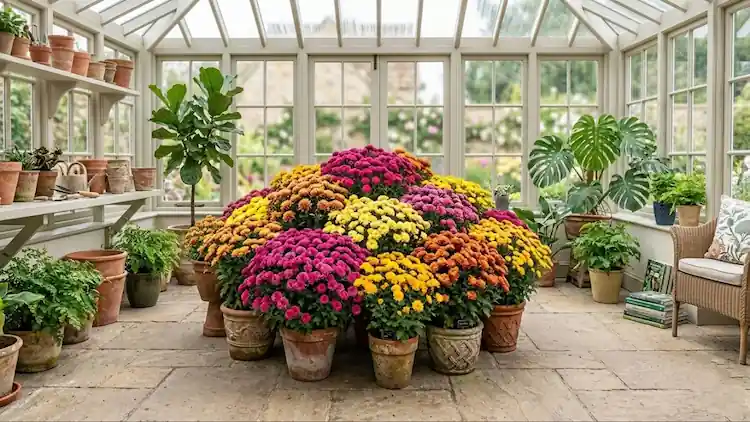
Every Fall, porches and grocery store entrances fill up with pots of orange, yellow, and deep red mums, and I always wonder how many of those plants end up sitting a few feet from a curious cat or dog.
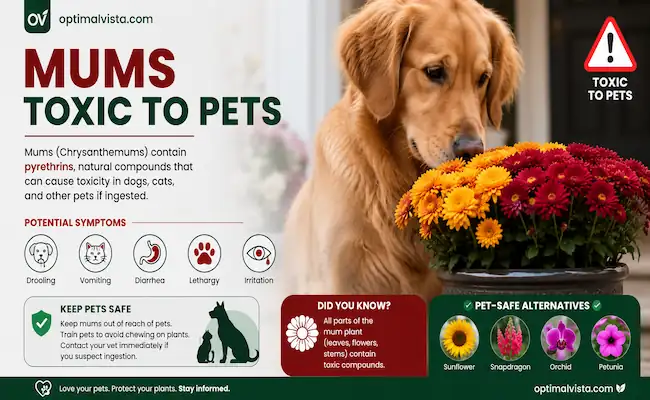
If you’ve ever caught your pet sniffing around a fresh chrysanthemum, you’ve probably typed the same question I have: are chrysanthemums toxic to cats and dogs? The short answer is yes, but the real story is a bit more layered than a one-word warning, and it’s worth understanding before you bring one home to your Yard or Backyard this season.
Are Chrysanthemums Toxic to Cats and Dogs? Here’s the Real Answer
Yes, mums are classified as toxic to both cats and dogs, along with horses. This isn’t some internet myth it’s backed by the ASPCA’s own plant toxicity database, which lists Chrysanthemum species as unsafe for pets to chew on. I always tell people the word “toxic” here doesn’t mean “deadly.”
In almost every documented case, a mum-related reaction is uncomfortable rather than life-threatening, and pets usually bounce back within a day or two with basic care.
Still, that doesn’t mean it’s something to ignore, especially if you have a small dog or an indoor cat that likes to nibble on anything green.
What’s Actually Inside a Mum That Makes It Risky
The compound doing most of the damage is called pyrethrin. It’s a natural insecticide the plant produces to fend off bugs, and it’s concentrated in the flower heads but present throughout the leaves and stems too.
Pyrethrin is actually so effective at killing insects that it’s used in commercial flea and tick products which tells you something about why it doesn’t sit well with a cat’s or dog’s stomach. Alongside pyrethrin, mums also contain sesquiterpene lactones, which are more responsible for skin irritation than digestive upset.
According to a toxicology summary published by the ASPCA’s Animal Poison Control resource, these two compounds together account for nearly all reported chrysanthemum poisoning cases in household pets.
Chrysanthemum Toxicity in Cats and Dogs: Does Size and Amount Matter
I’ve noticed a lot of articles skip over the fact that dose matters more than the plant itself. A 90-pound Labrador chewing one petal off a bouquet is a completely different situation than a 6-pound cat eating half a flower head. The general pattern:
- Small amounts: (a nibbled leaf or petal) usually mean mild drooling or an upset stomach at worst.
- Larger amounts: (a good chunk of the plant) raise the odds of vomiting, diarrhea, and in rare cases, wobbliness or tremors.
- Smaller pets: hit a “meaningful dose” much faster than larger ones, simply due to body weight.
If your yard sits in USDA Zones 4, 5, 6, 7, or 8 which covers most of the country where garden mums are planted outdoors the plant itself doesn’t get more or less toxic depending on climate.
What changes is exposure: outdoor mums planted along a fence line are easier for a roaming dog to reach than a pot sitting on a windowsill.
There’s also a difference between a one-time nibble and repeated access. A dog that gets into the same mum bed every afternoon for a week is building up cumulative exposure, even if each individual visit looks harmless.
I’ve had readers tell me their dog seemed “fine” for days before finally showing mild stomach upset, simply because the little bits added up. Keeping an eye on how often your pet visits a mum bed matters just as much as how much they eat in one sitting.
Cut Flowers, Potpourri, and Backyard Mums Different Levels of Risk
Not every chrysanthemum situation looks the same. A fresh-cut bouquet sitting in a vase of water on the counter is arguably the riskiest setup, because the water can pull some of the pyrethrins into it, and a thirsty cat might drink from that vase.
Dried mums used in potpourri or fall wreaths still carry the toxic compounds even after drying, so don’t assume “dead flower” means “safe flower.”
Garden mums planted outside in your Backyard are generally lower-risk simply because they’re spread out and less concentrated than a bouquet, but if you’re a community gardener sharing a shared plot with mums next to your Zucchini or Eggplant rows, it’s worth mentioning to neighbors with dogs.
There’s also a lesser-known angle: pollen and any essential oil made from chrysanthemum extract can trigger a reaction just from being sniffed or rubbed against, even without swallowing anything. It’s usually milder think watery eyes or a bit of sneezing but a cat that rubs its face against a fresh bouquet can end up with the same mild dermatitis as one that chewed a leaf.
One habit that helps regardless of the setup: drop spent blooms and clipped stems in the Trash or Garbage bin rather than a compost pile your pet can dig through. If you deadhead often, this ties in with general upkeep we covered more of that seasonal maintenance in why potted mums start declining if you’ve noticed your plant looking rough by November.
Signs of Mum Plant Poisoning in Pets
Symptoms typically show up within an hour or two of exposure, not hours later. Here’s what to actually watch for:
| Symptom | What You’ll Notice |
|---|---|
| Drooling / hypersalivation | Excess saliva, pawing at the mouth |
| Vomiting or diarrhea | Usually starts within 1–2 hours |
| Skin irritation | Redness or itching where the plant touched fur or paws |
| Loss of coordination | Wobbly walking, rare, tied to higher-dose exposure |
| Lethargy | Low energy, reduced appetite for the rest of the day |
A separate review on pyrethrin sensitivity, cited by the Pet Poison Helpline, notes that cats process certain plant compounds more slowly than dogs because of how their liver handles that class of chemical which is part of why vets treat feline exposure a little more cautiously than canine exposure, even at similar doses.
What To Do If Your Cat or Dog Eats a Chrysanthemum
You’ll want to move quickly but calmly:
- Remove any remaining plant material from your pet’s mouth and get the rest of the plant out of reach.
- Note roughly how much was eaten and when this detail actually matters to a vet.
- Do not induce vomiting on your own unless a vet or poison control specifically tells you to.
- Call your regular vet, or ASPCA Animal Poison Control at (888) 426-4435, and follow their instructions.
- If there’s skin contact, a lukewarm bath can help rinse off any lingering plant sap.
At the clinic, treatment usually stays fairly conservative. Vets may give activated charcoal if the ingestion was recent and sizable, start IV fluids if vomiting has led to dehydration, and use anti-nausea medication to settle the stomach. Most pets don’t need to stay overnight unless symptoms are unusually severe.
Most pets recover within 24 to 48 hours with supportive care, and severe reactions are genuinely uncommon. Keep in mind that a vet visit for suspected plant poisoning can run anywhere from a basic office consultation up to a few hundred dollars if bloodwork or IV fluids are needed, so calling poison control first can help you gauge whether an emergency trip is actually necessary or if home monitoring is enough.
Are Mums Toxic to Pets in Every Variety and Color
In my experience helping people sort out plant questions, this is the part folks get wrong the most: color and cultivar don’t change the toxicity. Whether you’ve got a bronze, white, or deep burgundy variety, the pyrethrin content is roughly comparable across garden mums.
Mums stay a favorite centerpiece for fall porches no matter the shade, but that popularity is exactly why so many pet exposure calls happen between September and November. If you’re doing yard cleanup with pruners this time of year, gloves aren’t a bad idea either, since sesquiterpene lactones can irritate human skin too.
Whether a mum is a true perennial in your climate or treated as a one-season annual also affects how long it sticks around your property something we broke down in are chrysanthemums perennial or annual, which is worth a read if you’re deciding whether to keep the plant past this Fall at all.
Risk to Other Pets And Even People
Cats and dogs get most of the attention, but they’re not the only ones at risk in a Yard full of mums. Horses can develop mild colic if they graze on mums growing along a pasture edge.
Rabbits and birds are sensitive to pyrethrins too, and because they’re so much smaller, even a small amount of plant material can bring on noticeable stomach upset. If you keep chickens, rabbits, or a barn cat in the same area as your mum beds, it’s worth fencing those spots off separately.
Humans aren’t immune either, though the risk is far smaller. Handling mums bare-handed, especially while deadheading with pruners, can occasionally cause mild skin irritation from the sesquiterpene lactones something gardeners with sensitive skin tend to notice more than others.
Even just brushing past a blooming plant can release pollen that triggers sneezing or itchy eyes in pets and people alike, without anyone actually eating the plant at all.
Keeping Mums in a Pet-Friendly Yard
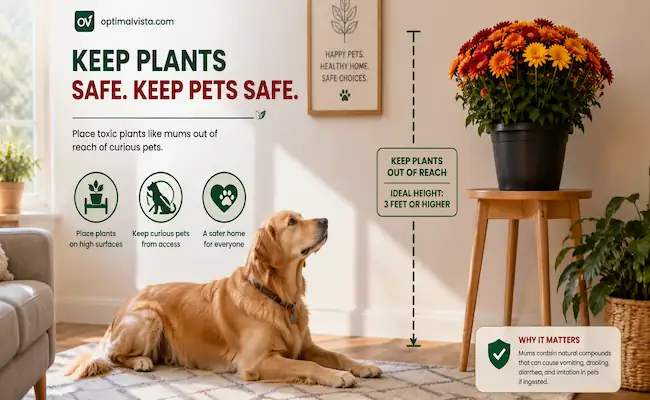
If you love the look of mums and don’t want to give them up, a few adjustments go a long way. In my own backyard, I keep pots up on a plant stand or hanging basket instead of at ground level, which cuts down on casual nibbling from dogs especially.
Watering with roughly half a gallon per medium pot and keeping soil from staying soggy also helps the plant last longer, which we get into more in keeping mums blooming through fall. And if winter is approaching and you’re wondering whether to bring pots inside once nights dip toward 32°F, that decision is covered separately in whether potted mums survive winter.
For households that would rather skip the risk altogether, safer swaps with a similar fall color palette include African violets, snapdragons, petunias, and catnip most pets leave these alone anyway, and a few, like catnip, they’ll actually enjoy.
Final Thoughts:
So, are chrysanthemums toxic to cats and dogs? Yes, but with a clear-eyed understanding of dose, exposure type, and quick action, it’s a manageable risk rather than a reason to panic. If you ask me, the smartest approach is simple: keep mums up out of reach, dispose of trimmings properly, and know the ASPCA poison control number before you need it. A little precaution lets you keep the Fall color you love without turning your porch into a hazard for the pet you love more.