
Why do some oakleaf hydrangeas cover themselves in cone-shaped flowers every June while the shrub next door gives you nothing but big green leaves?

Most of the time, the answer starts in the first few weeks of the growing season. Good oakleaf hydrangea spring care is mostly about doing less, and doing it at the right time.
The short version: give the plant morning sun, about 1 inch of water a week, a fresh layer of mulch, and prune only after the flowers fade. I’ll walk through every step below, in order, so your backyard gets a full show.
What Makes Oakleaf Hydrangeas Different
Oakleaf hydrangeas (Hydrangea quercifolia) are native to the Southeast, and they don’t act like the mophead types at the garden center. They give you four seasons of interest in one shrub.
Here’s what sets them apart:
- Big, lobed leaves shaped like oak leaves.
- Cone-shaped flower clusters that open in late spring to early summer, start white and fade to pink as summer goes on.
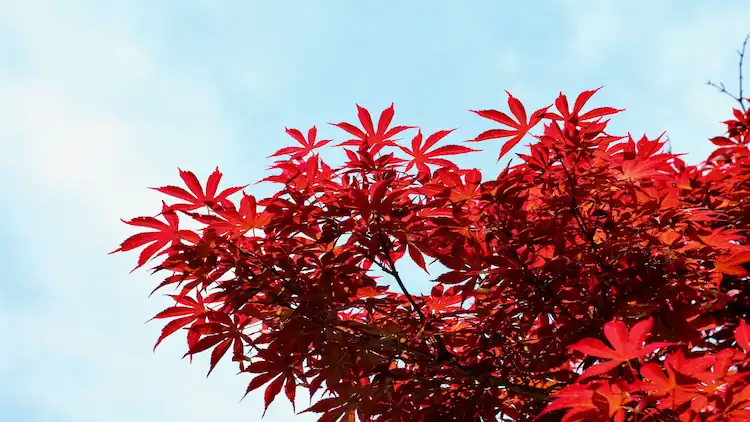
- Red, orange or purple leaves in fall.
- Peeling bark that looks great in winter.
One more thing: the flower color doesn’t change with soil pH, so skip the soil acidifier. That’s also why spring care for oakleaf hydrangeas looks different from bigleaf care. You’re protecting buds that formed last year, not pushing for new growth.

Hardiness Zones and Where They Grow Best
Oakleaf hydrangeas are hardy in USDA Zones 5, 6, 7, 8 and 9. In Zone 5, winters can drop to -10°F or colder, and twig damage and lost flower buds are likely in a rough year.
In the wild, they grow in forests with moist, well-draining soil, so try to copy that in your yard.
That’s why the timing of oakleaf hydrangea early spring care changes with your zone. Warmer areas can start earlier, while Zone 5 and 6 yards usually wait until the ground thaws and the buds swell. For other types, these hydrangea care tips cover the same stretch.
How Much Sun Do Oakleaf Hydrangeas Need
Morning sun with some afternoon shade is the sweet spot, especially where summers get hot. Too much sun burns the leaves. In my backyard, the shrub by the fence gets sun until about 1 p.m. and it blooms better than the one under the maple.
Deep shade causes its own trouble, so aim for at least half a day of sun:
- Leggy, floppy stems.
- Fewer flowers.
- Weak fall color.
- More powdery mildew.
If you’re wondering about full sun, it works in cooler areas, but hot afternoons are rough. Darker spots do better with these shade loving hydrangeas.
Best Soil for Oakleaf Hydrangeas
Drainage matters more than anything else here.
- Rich soil with plenty of organic matter, slightly acidic to neutral and well-draining, is the goal.
- Sandy soil is fine, since oakleafs handle it better than most hydrangeas.
- Soggy clay is the real problem because it leads to root rot.
- If your yard holds water, mix in compost before planting or plant on a low mound.
When and How to Plant
Spring or fall works best because cooler weather lets the roots settle in. For the bigger picture, read when to plant any hydrangea.
Then follow these steps:
- Dig a hole slightly deeper than the root ball and 2 to 3 times wider.
- Pull the plant out of the pot and loosen the roots with your fingers.
- Set it so the top of the root ball sits slightly above the soil line.
- Backfill, press down lightly to remove air pockets, and water deeply.
- Add 2 to 3 inches of shredded bark mulch.

How Far Apart to Plant Them
Space them 4 to 8 feet apart, depending on the variety, and check the plant tag.
- Small types like Pee Wee can sit toward the close end.
- Big ones like Alice need the full 8 feet.
- Dwarf types top out at 3 to 4 feet, while most oakleafs reach 6 to 8 feet.
Crowded shrubs hold moisture on the leaves. Good airflow makes oakleaf hydrangea care in spring a lot easier, because the foliage dries faster after rain.
Watering: Caring for Oakleaf Hydrangeas in Spring and Summer
Plan on about 1 inch of water a week, which works out to roughly 4 to 5 gallons at the base of a young shrub.
- Soak it slowly and deeply instead of sprinkling the top, so the roots settle in.
- In the first year, keep the soil evenly moist but never soggy.
- Water the soil, not the leaves, to cut down on fungus.
- Established plants handle heat and dry spells better than other hydrangeas, but they still wilt if you ignore them in July.
Mulching Is Part of Oakleaf Hydrangea Early Spring Care
Pull last fall’s winter mulch back once the ground starts to warm so the soil can heat up. Then lay down 2 to 3 inches of fresh mulch. It holds moisture, blocks weeds and slowly improves the soil.
- Pine straw, shredded bark and compost all work.
- Keep mulch a couple of inches away from the stems.
- Pulling back old mulch is the first job in oakleaf hydrangea early spring care.

Fertilizing: Spring Care for Oakleaf Hydrangeas in One Feeding
One feeding in early spring is plenty. Use a balanced, low-nitrogen fertilizer or a granular one made for trees and shrubs, and follow the label.
I like compost better than a bag when the soil is decent, since too much nitrogen gives you lush leaves and fewer flowers. Repeat once a year, and see the best fertilizer options for product picks.
Pruning: When and How to Cut Oakleaf Hydrangeas
This is where most people go wrong. According to the University of Maryland Extension, oakleaf hydrangeas bloom on old wood, so any pruning belongs right after the flowers fade, usually in June or July.
New flower buds form from late summer into early fall, so waiting too long cuts off next year’s blooms. I think the safest plan is to barely prune at all. Here’s the when to prune rundown for every type.
- Cut only dead, broken or crossing stems, and use clean pruners.
- Skip heavy cuts, since spring care for oakleaf hydrangeas is mostly light cleanup.
- Wait for leaves to open in spring, then clip stems that stayed bare.
- On an old, overgrown shrub, remove a few of the oldest stems at the ground every few years.
- Never cut it back in late winter, because that removes the flower buds.

Winter Protection and Oakleaf Hydrangea Care in Spring
Winter care sets up the spring show, because the buds already formed last season. In cold areas, mound 6 to 8 inches of mulch around the base after the ground freezes, and wrap young shrubs in burlap to block harsh wind.
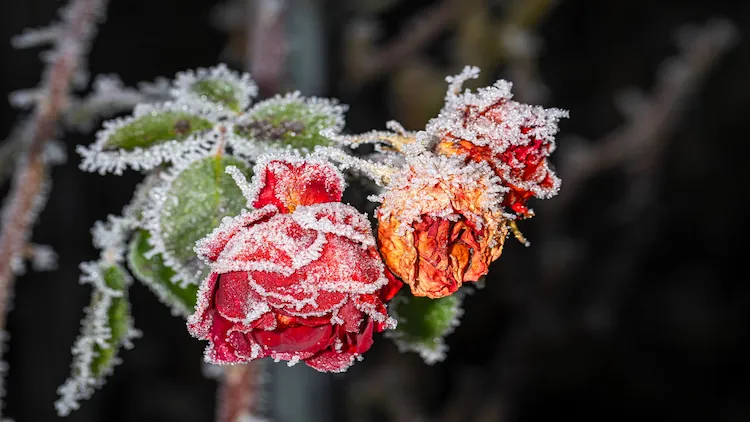
A late cold snap at or below 32°F can damage new growth and open buds, so keep a bedsheet or frost cloth handy. Here’s a full guide on late frost protection.
- Mound mulch after the ground freezes, then pull it back in spring.
- Wrap young plants in burlap in colder zones.
- Zones 5 and 6 need the full routine: mulch, burlap on young shrubs and frost cloth ready.
- In USDA Zones 7, 8 and 9, winter care is light, and a little extra mulch is plenty.
- Check the forecast every night when caring for oakleaf hydrangeas in spring.
- Cover the shrub at dusk and take the cover off in the morning.
Oakleaf Hydrangea Varieties and Sizes
Size is what trips people up. Some oakleafs stay under 4 feet and some reach 10 feet or more, so pick for the space you have. These sizes are ranges, and they shift a bit from source to source.
| Variety | Mature size | Notes |
|---|---|---|
| Munchkin | About 3 ft | Very compact, white blooms |
| Pee Wee | 3 to 4 ft tall and wide | Small white clusters that fade pink |
| Ruby Slippers | 3 to 4 ft | White blooms that turn rose, then ruby red |
| Gatsby Gal | 5 to 6 ft tall and wide | Upright white flowers, wine-red fall color |
| Snow Queen | 4 to 6 ft tall, 6 to 8 ft wide | Showy white clusters that age to pink |
| Jetstream | About 5 ft tall and wide | Good for mass planting in woodland spots |
| Gatsby Pink | Larger variety, check the tag | White blooms that fade to deep pink, good for hedging |
| Gatsby Moon | Larger variety, check the tag | Pure white blooms with lime-green highlights as they age, good for screening |
| Alice | 8 to 12 ft | Huge white cones, strong fall color |
Growing Oakleaf Hydrangeas in Pots
The smaller varieties handle containers fine. Gatsby Gal, Pee Wee and Munchkin are good picks. Our full guide on growing in pots goes deeper, but the basics are simple.
- Use a pot at least 18 inches wide with drainage holes.
- Fill it with a good all-purpose potting mix.
- Water more often than you would in the ground.
- Move the pot next to the house or into an unheated garage when it’s freezing.
Want more plants? Cuttings are possible with oakleafs, just slower and fussier. Read how to propagate from cuttings before you try.
Why Is My Oakleaf Hydrangea Not Blooming
Caring for oakleaf hydrangeas in spring means checking the stems for fat buds before you cut anything. When flowers don’t show up, it usually comes down to one of these:
- Pruned at the wrong time, so the buds were cut off.
- Too much shade.
- Winter damage to the buds, common in Zone 5.
- Deer browsing the buds over winter.
- Too much nitrogen.
In my experience, shade is the number one cause. Still stuck? This post on a hydrangea not blooming covers the rest.
Common Problems: Pests, Diseases and Wilting
Oakleafs are tough, but they’re not problem-free. Here’s what shows up most often.
| Symptom | Likely cause | Fix |
|---|---|---|
| Brown, crispy leaf edges | Leaf scorch from hot afternoon sun | Add afternoon shade, water deeply |
| Wilting in summer heat | Heat stress or dry roots | Soak the base, check soil 2 inches down |
| Yellow leaves | Too much water, poor drainage or low nutrients | Water less, improve drainage, run a soil test |
| Spots on leaves late in the season | Leaf spot | Remove worst leaves, thin crowded stems |
| White powder on leaves | Powdery mildew | More air flow and more sun |
| Tiny bugs or webbing | Aphids or spider mites | Insecticidal soap or neem oil |
| Mushy roots, sudden decline | Root rot | Fix drainage, cut back on water |
Most of these are easier to prevent than fix: water at the base, give the shrub room and keep air moving through the leaves.
I pick off the worst spotted leaves and move on, since leaf spot is mostly cosmetic. Big flower heads can also flop after rain, so a stake or loose tie helps. If a shrub looks truly bad, here’s how to revive dying hydrangeas.

Do Deer Eat Oakleaf Hydrangeas
Sometimes. Oakleafs are a bit tougher than other hydrangeas, but hungry deer will still browse them when other food runs short. Since the flower buds sit on old wood, a winter nibble can cost you blooms.
These keep most of the damage down:
- Burlap wrapped around the shrub in winter.
- A wire cage around young plants.
- A repellent spray on stems and leaves.
Season-by-Season Oakleaf Hydrangea Spring Care Calendar
Here’s the whole year in one place.
- Spring: pull back old mulch, clip dead stems after leaf-out, feed once, re-mulch with 2 to 3 inches, and keep up oakleaf hydrangea care in spring with a deep weekly soak.
- Summer: water about 1 inch a week, watch for leaf spot and mildew, and prune right after the flowers fade.
- Fall: enjoy the red and purple leaves, stop pruning, and rake diseased leaves into the trash instead of the compost pile.
- Winter: mound 6 to 8 inches of mulch after the ground freezes and enjoy the peeling bark.
Companion Plants and Yard Uses
Pair oakleafs with plants that like part shade and moist soil. Good shrub neighbors are boxwood, sweetspire, bottlebrush and blue holly, and evergreens keep the bed looking good in winter.
Underneath, try hostas, coral bells, ferns, bleeding heart or a groundcover, and tuck spring-blooming bulbs around the base. For late color, try fountain grass, stonecrop, black-eyed Susan or beautyberry. More ideas are in this list of companion plants.
A few ways to use them in your yard:
- Foundation planting near the house, mixed with shrubs that bloom at different times.
- Focal point or specimen plant in an open spot.
- Background plant in a mixed border.
- Hedge or privacy screen along the property line.
- Mass planting on a slope to hold the soil.
- Woodland border with ferns underneath.
- Small variety in a pot near the entryway.

Final Thoughts:
Oakleaf hydrangea spring care really comes down to a few moves: pull back the mulch, clip only dead stems, feed once, water deeply and cover the shrub when a frost shows up. Skip heavy pruning and let last year’s buds do their job. Pick one weekend this month, run through the list, and the cone-shaped flowers will show up right on time.
Pingback: Can Hydrangeas Grow in Full Sun? 21 Varieties That Work